Autumn and Winter in East Asia on Film
This is a pretty long article, so if you just want to skip through for the photos, feel free to; otherwise, you can go straight to the gallery here, or my 16mm video here.
Anyways. After a pretty rough 2024 of working on my master’s thesis for what felt like an eternity, the autumn of 2024 brought some reprieve: following the end of my master’s exams, I decided to put some of my savings into a three-month trip to celebrate. I started out with a little over a month through Central Europe (Germany, where I live; the Netherlands, Belgium, Austria, France & Monaco, Italy, and Switzerland), then spent just under two months in east Asia (which were broken up into South Korea for just under a week, Japan for almost a month, and Hong Kong/Macau and Taiwan for a week each). I ended up making a video of the whole thing on 16mm movie film; if you want to check it out, you can find it here:
Of course, with such an ambitious and lengthy trip, I had to document it. And if you know me, I refuse to shoot digital, even though my bank account hates me for it. So naturally, I ended up shelling out WAY too much money on film and bringing too many cameras with me for my own good. I ended up carrying around 14.5kg/32lbs of cameras, gear, and film throughout the three months and its ~900 miles walked: my trusty Nikon F3 (35mm); my Pentax 6x7 (medium format) and a Super 16 Krasnogorsk-3 movie camera, alongside 4 rolls of 16mm film and around 30 rolls of 35mm and medium format film (at the beginning – I ended up buying far more film while traveling).
But anyways: for now, this photo series is about the Asia leg of the trip since I haven’t gotten all my film back from the Europe leg – plus it’s just too much to cover in one article.
South Korea
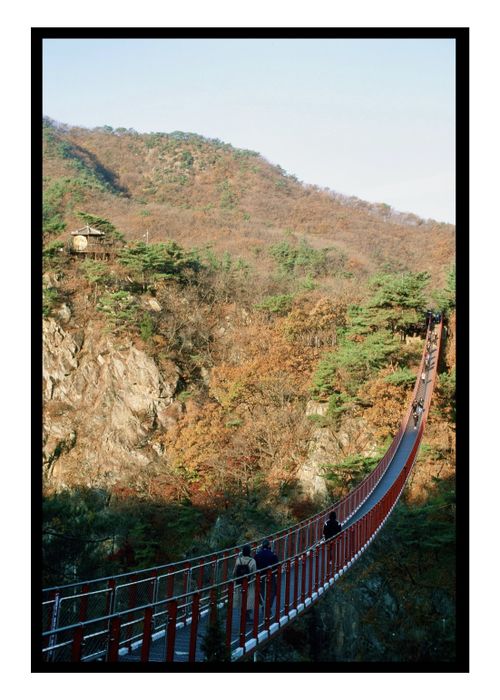
I started the East Asia leg of my trip in Seoul, South Korea, at the beginning of November 2024, after traveling through Europe. The issue? I hadn't accounted for jetlag or for general exhaustion from travel, so most of my time spent in South Korea was spent catching up on rest and work. This meant I didn't take many photos, especially due to the fact that one of my days in Korea was spent in the Demilitarized Zone, which doesn't allow photos anyway. I ended up getting a few photos, but none that I was particularly proud of. But here's one anyway, which I took at the Gamaksan Suspension Bridge. The rest of the time in Korea/Seoul was mostly spent wandering around Myeongdong at night, which you can see a bit of in my 16mm video above.
Japan
After Korea, I headed to Sapporo, Japan (on the island of Hokkaido) to start my travel, which was going north to south; I didn't take any photos here because of how cold it was. Cold weather and film cameras don't mix well together. After a few days in Sapporo, I then headed south to Hakodate (you can see the night view on the 16mm film) and then to Sendai for a few days.
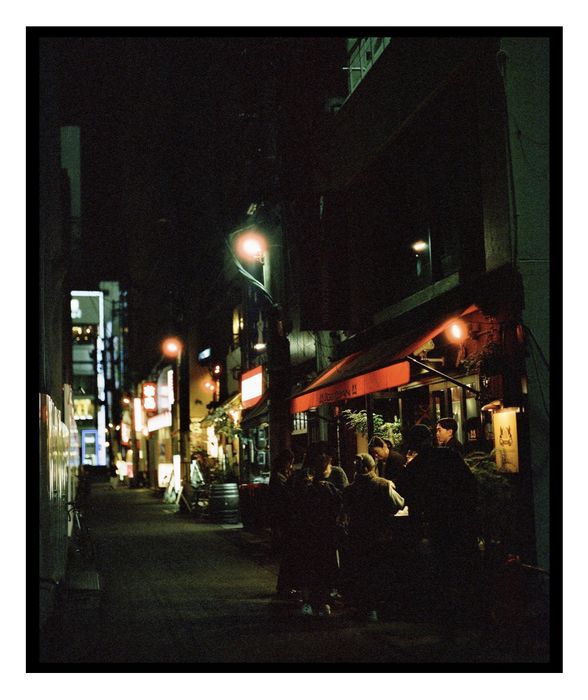
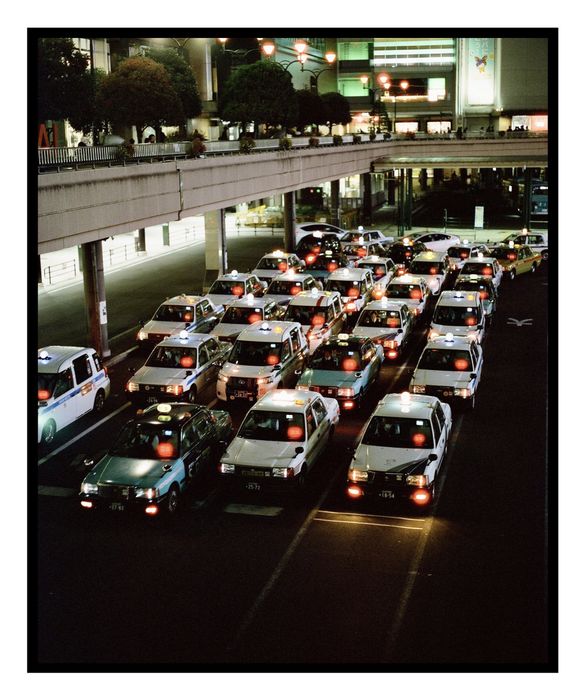
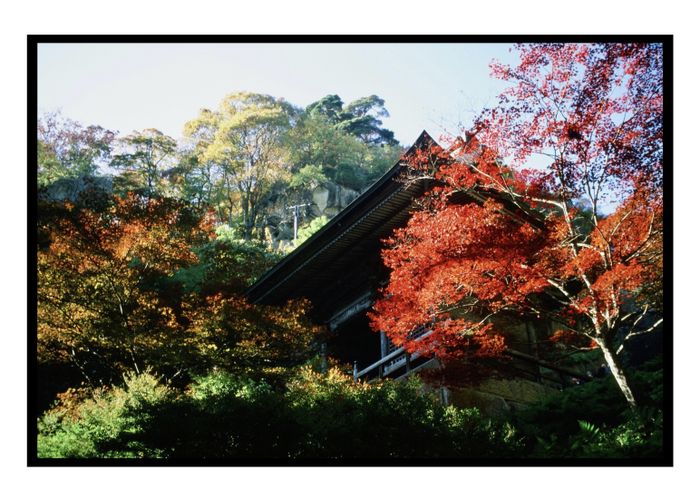
From Sendai, I took a trip to Yamadera, known for its temples; it was just a short day trip from Sendai, and it was absolutely stunning. The foliage was bright, the weather was lovely, and it was a nice reprieve from the hustle and bustle of Sendai. I took a LOT of shots here, but this was my favorite from the set.
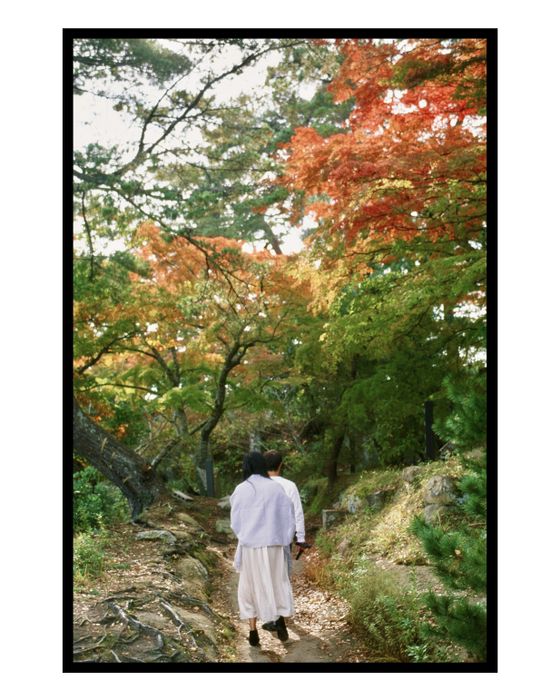
After Sendai, I headed to Tokyo, while stopping for a bit in Matsushima Bay, which is one of the famous "Three Views of Japan." There are lots of islands scattered around the bay, which makes for a really lovely area to just stroll around, eat, listen to music, and just generally relax. I ended up taking one of my favorite photos of the whole Japan leg here:
From there, I spent a few days in Tokyo; I spent most of the time wandering around, doing touristy things like checking out Tokyo Tower, Tower Records, Shibuya Sky and Shibuya Crossing, etc. But Tokyo was fascinating, and as a photographer, it was a dream come true. I ended up meeting another photographer (with the same Pentax 6x7 as me!) on the street, which was hilarious - really nice guy and an incredibly talented photographer. I spent some time at the Shinjuku Gyoen National Garden as well, which was perfect; visiting in November was definitely the call.
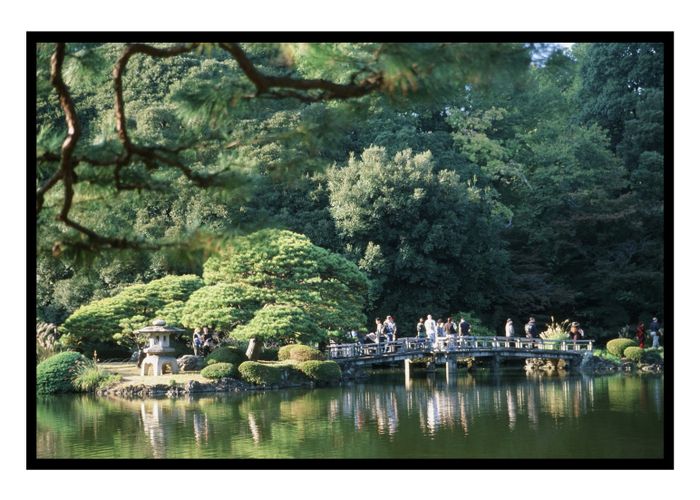
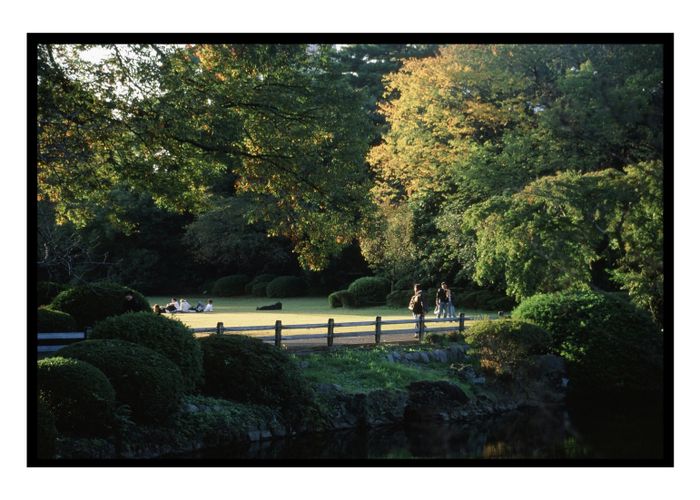
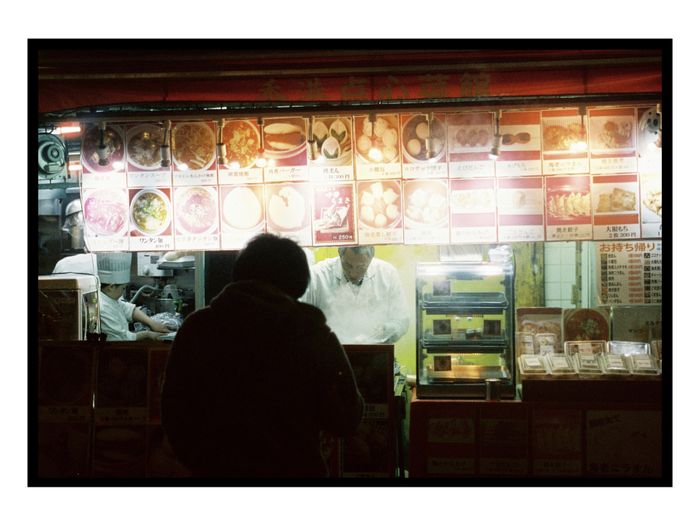
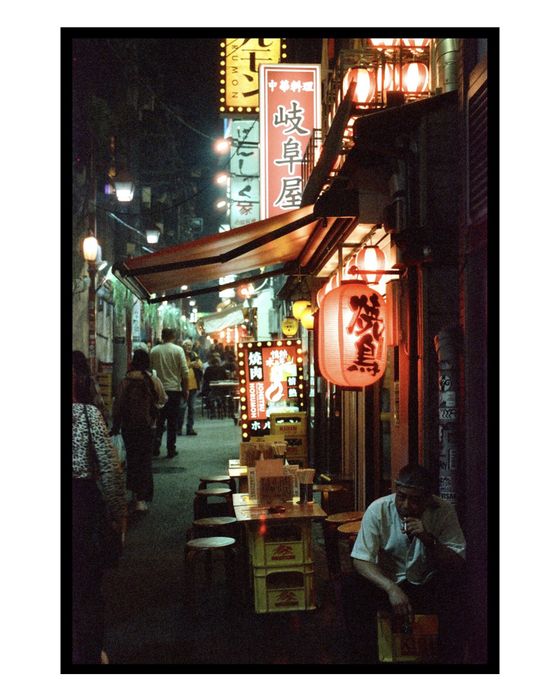
As a film photographer, though, my favorite part of Tokyo was wandering around Shinjuku and Shibuya at night. It's just a whole different world.
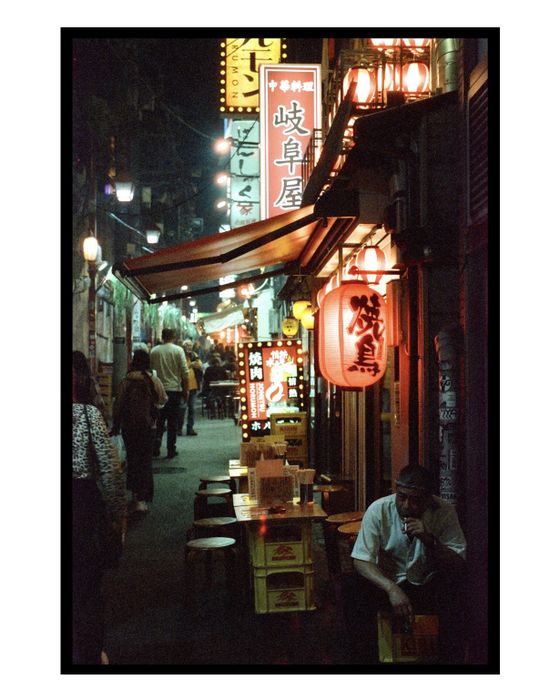
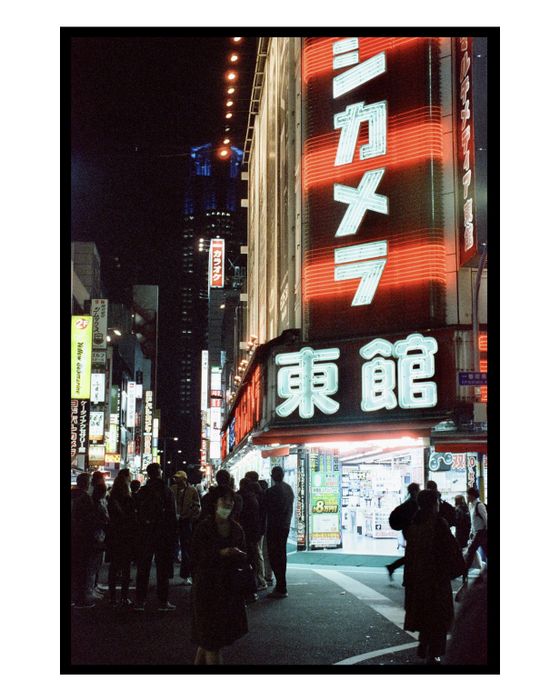
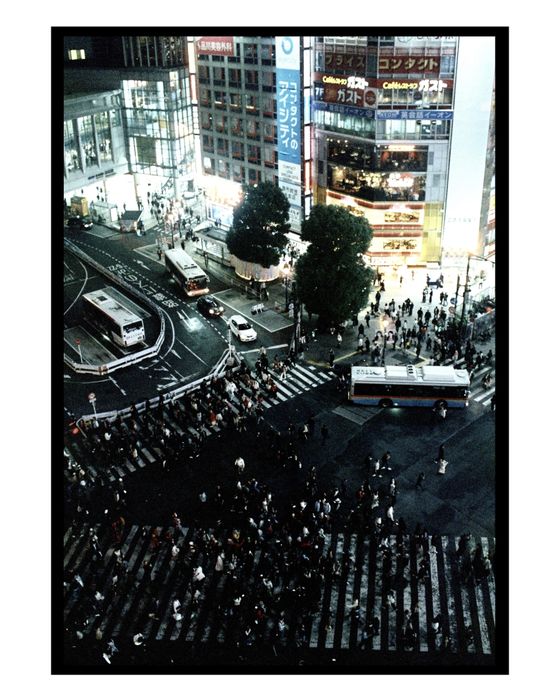
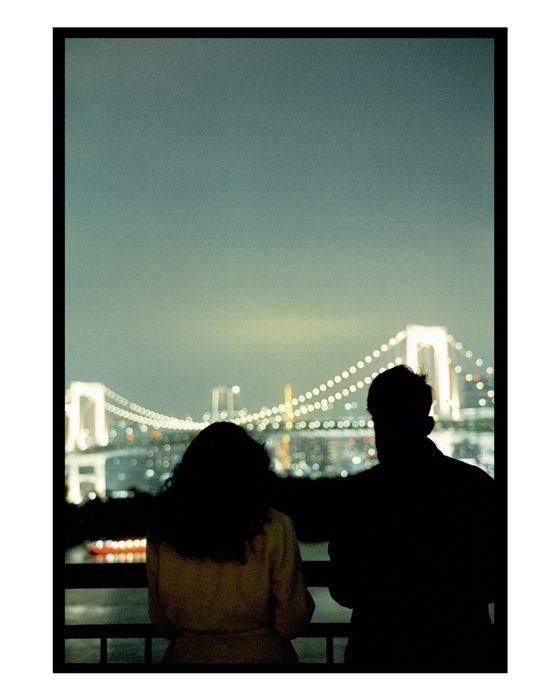
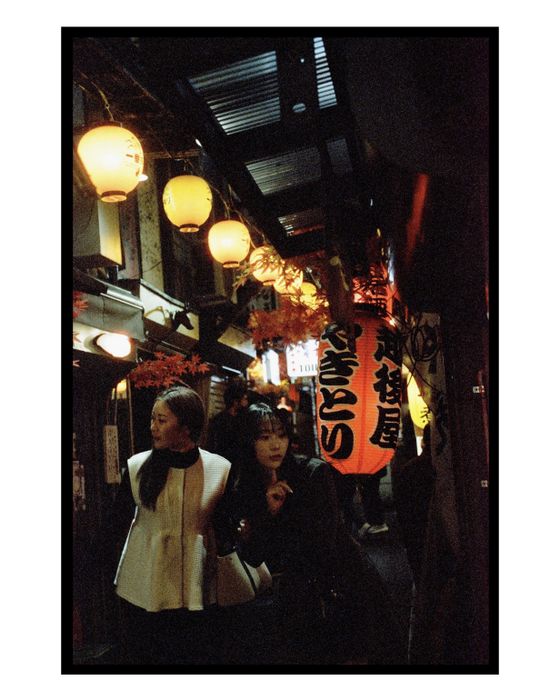
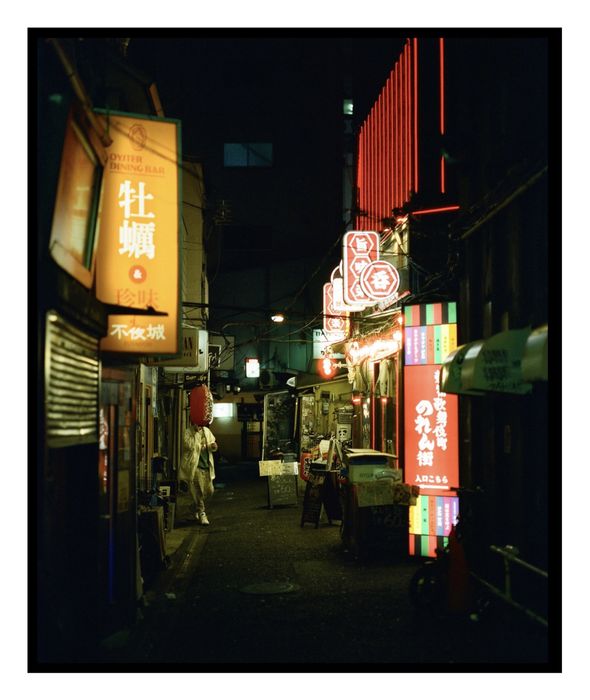
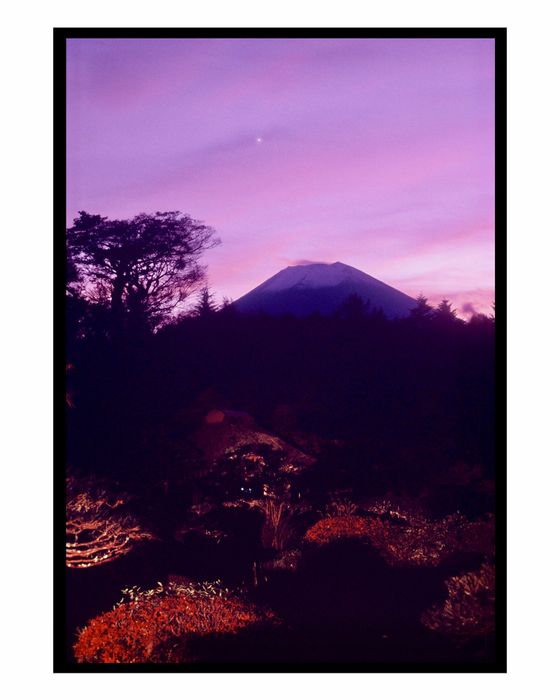
From Tokyo, I headed to Fujiyoshida: a small town at the foot of Mt. Fuji. You may have seen some pictures from this town online; it's arguably got the best (semi-urban) views of Mt. Fuji, and there's a very famous street, Honcho Street, with a really cool perspective of the mountain. Thankfully, the hostel I was in was pretty close to everything, and the town itself is already quite small; just a short bus ride away was Arakurayama Sengen Park; the foliage was so bright here!:
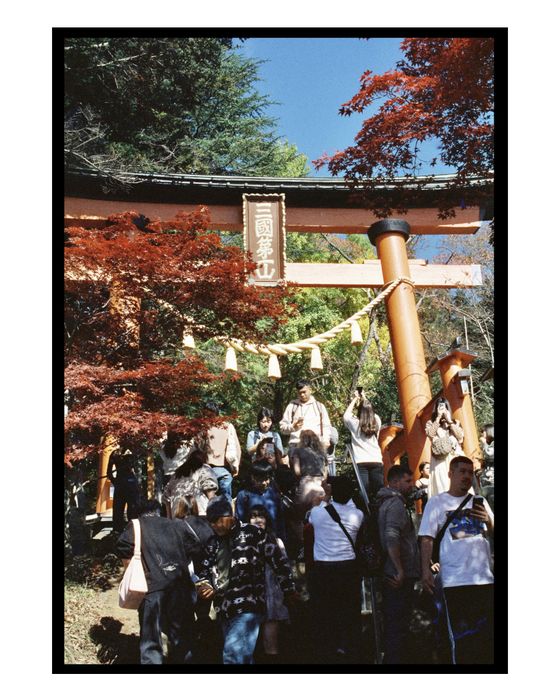
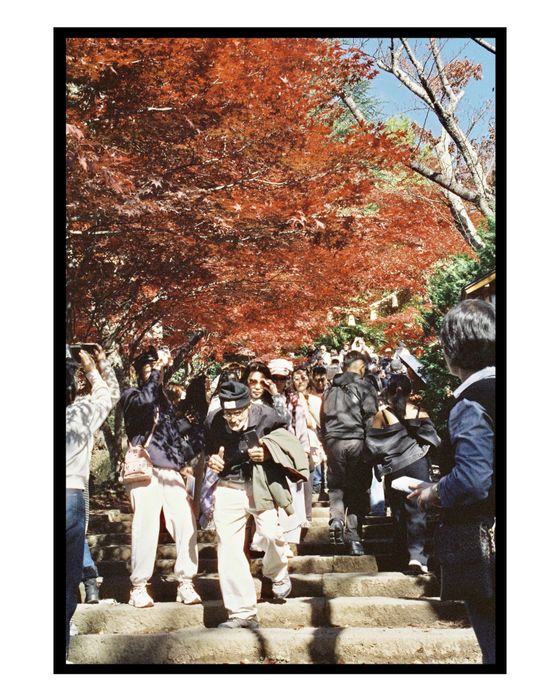
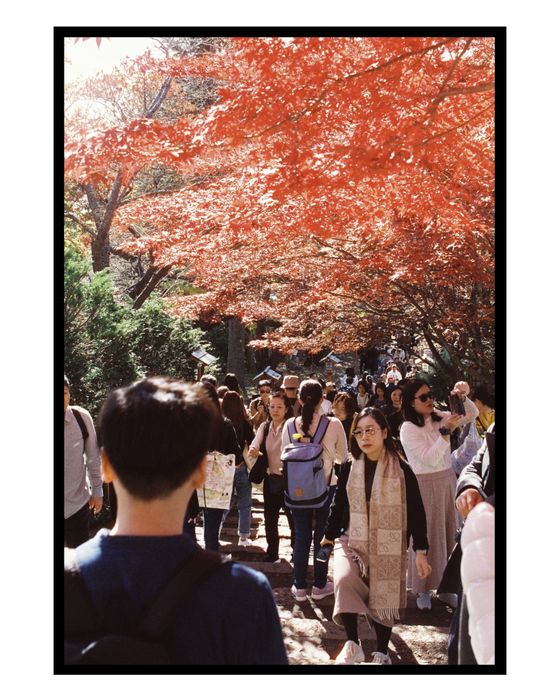
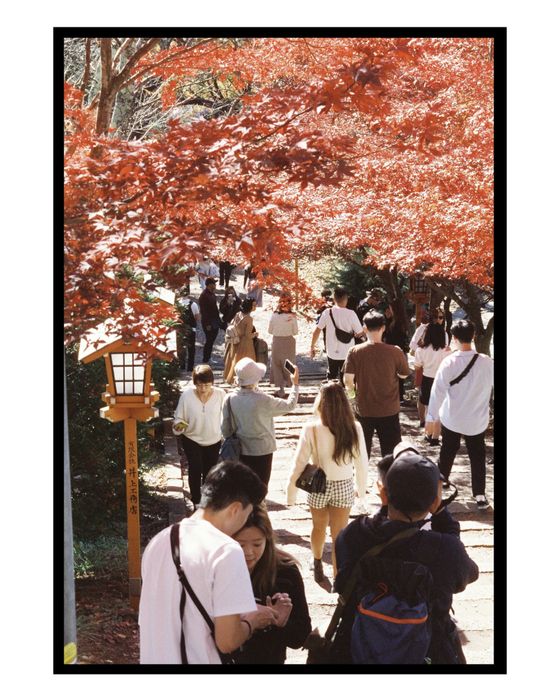
You've probably seen photos from here; I left early in the morning to try and get there before the crowds, but damn, it was packed. I'm a pretty patient photographer; I can wait for shots all day and I hate pushing people aside or getting in their way to take photos. And even more, I hate being an "ugly American" or a "dumb tourist," so I'll just sit back and wait if I need to. But people were brutal here, so I ended up just sitting down for about an hour and a half, watching the crowds basically fight over the view until people cleared up a bit. It was a really nice view of Mt. Fuji, but the obnoxious tourists (and overcrowded viewpoint) kinda took away from it. People were climbing into restricted areas, pushing — it was a pretty unfortunate thing, especially considering how calm Japan is (and Japanese tourists, too).
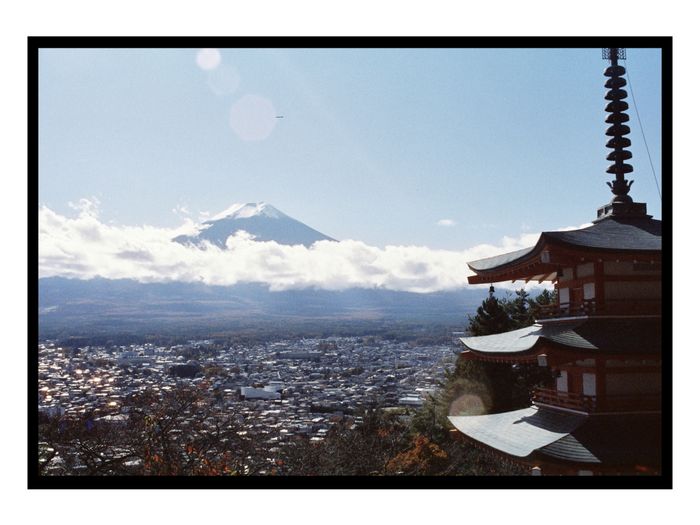
From Fujiyoshida, I headed next to Osaka for a week; the original plan was to do 4 days in Osaka and 3 in Kyoto, but Kyoto was quite a bit more expensive, so I ended up staying in Osaka for the week and just doing a couple of day trips to Kyoto from Osaka anyways.
Osaka was simultaneously one of the coolest experiences — and also one of the worst — of the entire three months of travel. Why is one of the better? I got to meet up with my (triplet) brother! The city is cool, there are lots of day trips to take, and SO much to do and see; plus it's just a really cool, young city. Why the worst? For one reason: bedbugs. The hostel I stayed in was cramped, dirty, things were broken, and just overall a bad experience; but the bedbugs weren't noticed until the morning after I arrived, which meant that 1) since I slept in my bed with my camera bag next to me, I had to clean all of my things multiple times over, buy bedbug spray and spray EVERYTHING I OWN, which took a full day; and 2) I had to find a new place. I ended up getting rid of them quite quickly, but it was frustrating, to say the least. I would name the hostel, but they threaten to sue people who do, so we'll leave it at a warning to be careful and CHECK REVIEWS if you're in Osaka. You might find mine (if you do, run!).
But hey, it makes for a good story, I guess?
Anyways.
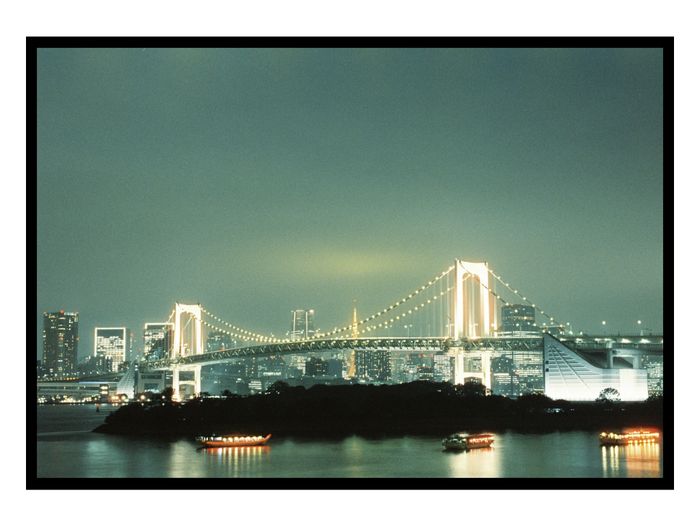
Despite the issues, Osaka was gorgeous, and the day trips were really cool. Here are four photos from Osaka: one of the castle, one of the neighborhood of my first hostel (which, I didn't realize at the time, was in the red light district), one of the Dotonbori district, and one of the cityscape from my new (far better) hostel.
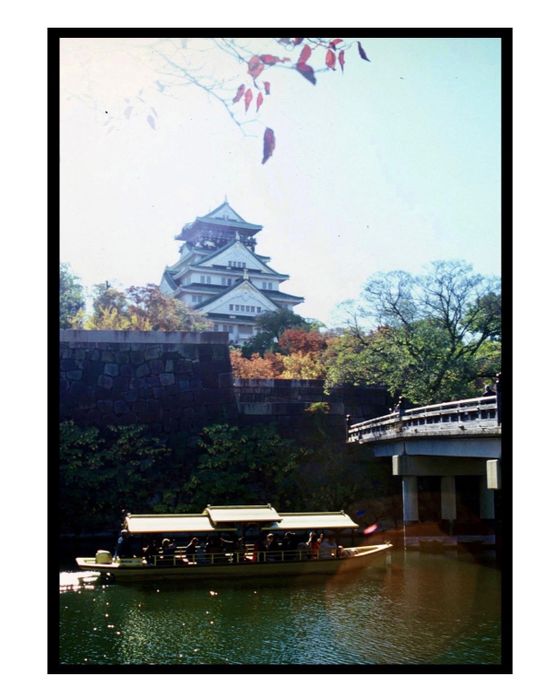
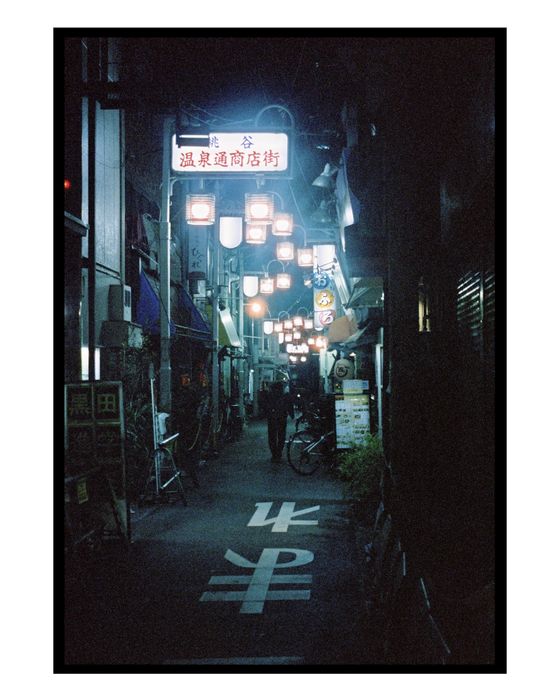
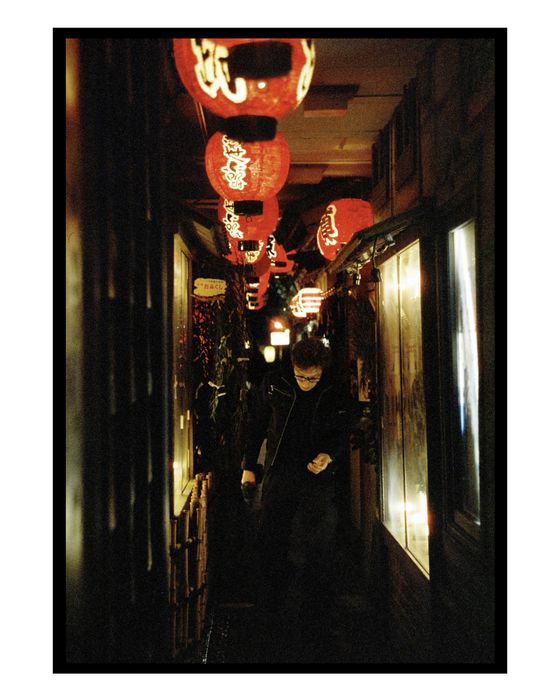
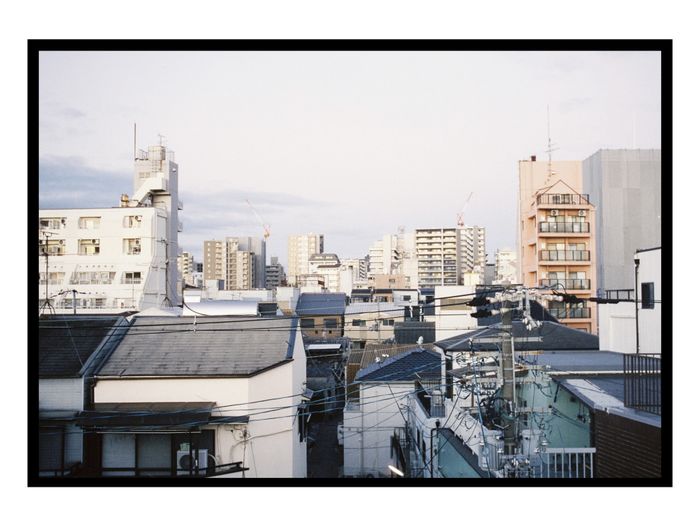
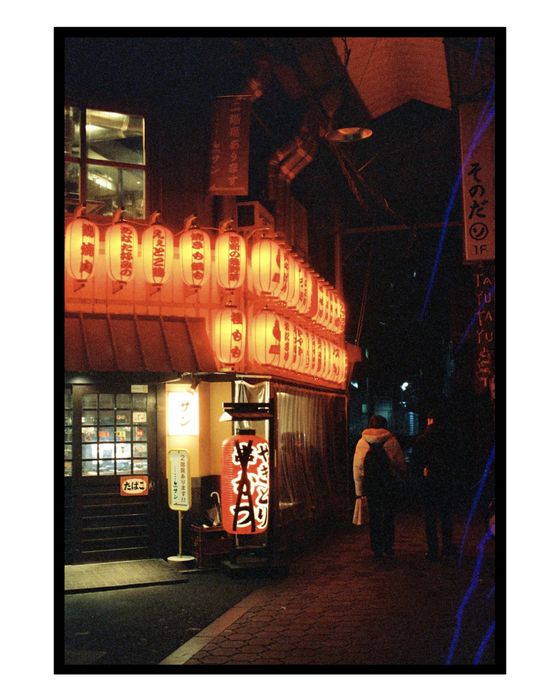
(The above photo got ruined by X-rays when I left South Korea; they didn't let me hand-scan my film!)
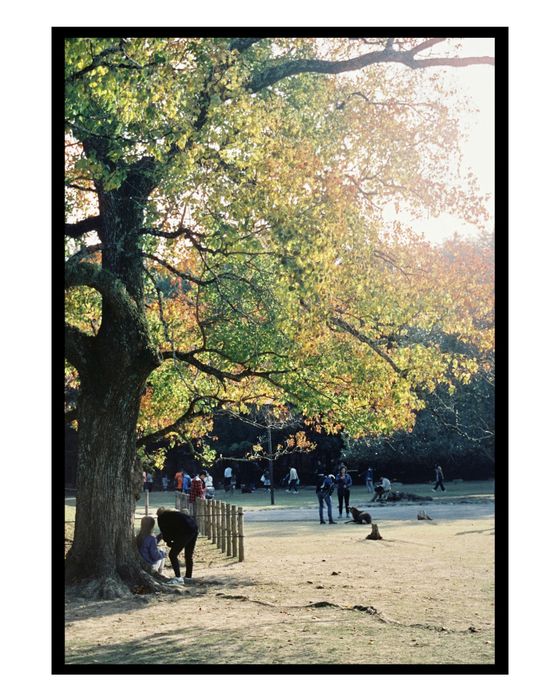
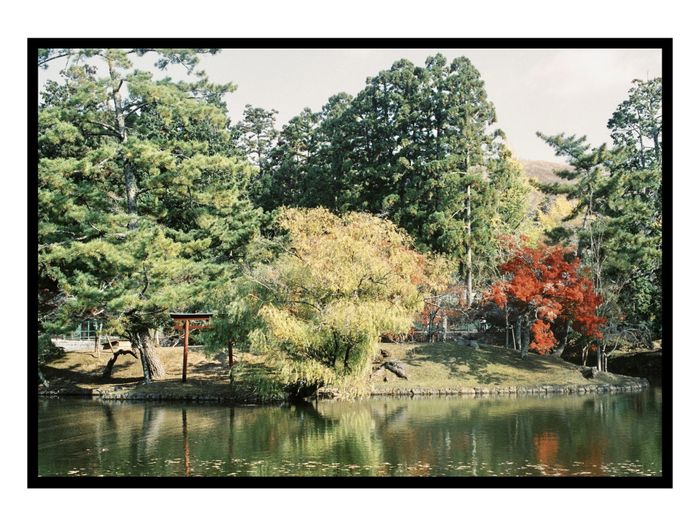
From Osaka, day trips included Nara (known for its deer population wandering the streets); Kyoto, which is more of a historical city than Osaka (since Kyoto used to be the capital); and Kinosaki Onsen. Unfortunately, Nara was also kinda disappointing: many of the deer are clearly sick, and tourists tease and mistreat them frequently, for example, by indicating they will give them food to make them "bow," but never giving them any food when the deer expect it. Many had open sores and tourists would stack food on ill deer that were lying down, just so they could get some influencer-y picture with a deer with cookies on its head. It really put a bad taste in my mouth. Was it worth the visit, though? Sure, but not necessarily for the deer themselves; there's a huge Buddhist temple nearby, and there are other cool things to do in the city. Even the park itself is quite nice, minus the tourists teasing the deer.
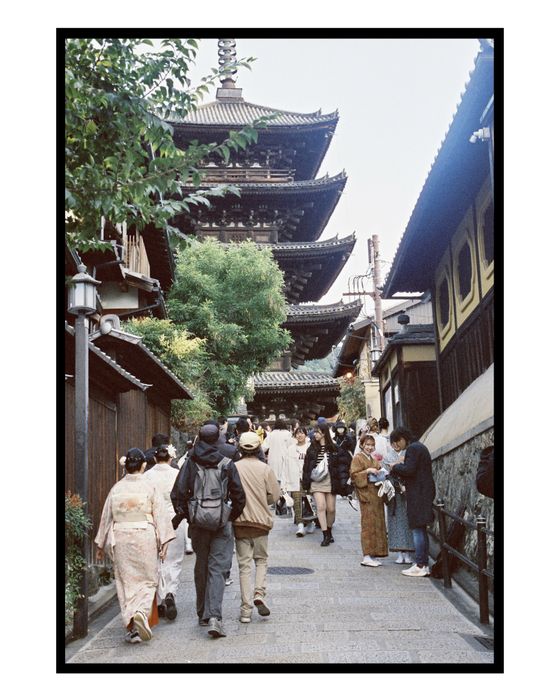
Kyoto itself was also quite cool. While I was there, I met a very talented film photographer who noticed my 16mm camera; he's from China but lived in Japan for several years, and since my brother speaks Chinese and lives in China, we all hit it off quickly. He even develops his film himself and studies photography! He ended up showing us around the city and gave us some really cool tips/local knowledge. It was probably one of the most spontaneous things I experienced in Japan, and it was definitely one of the most memorable. He also ended up taking a portrait of me on my Pentax 6x7 (he also had one before), which you can see below!
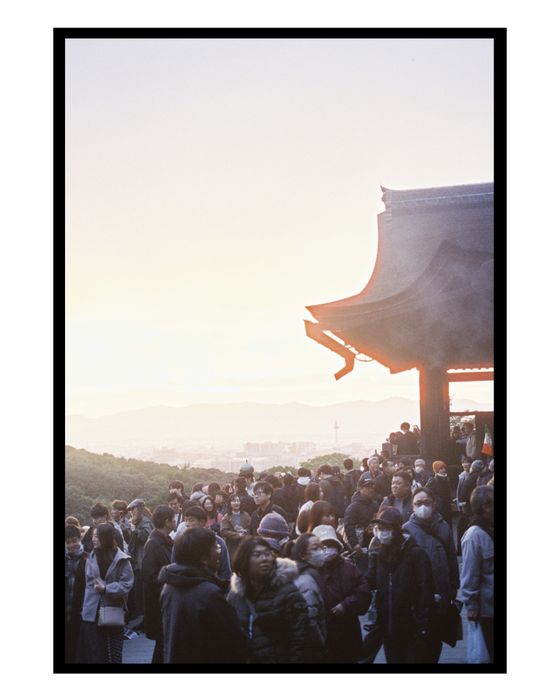
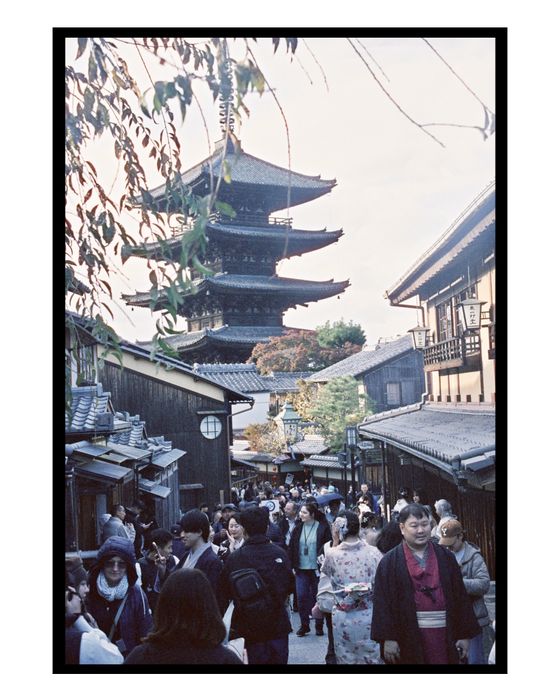
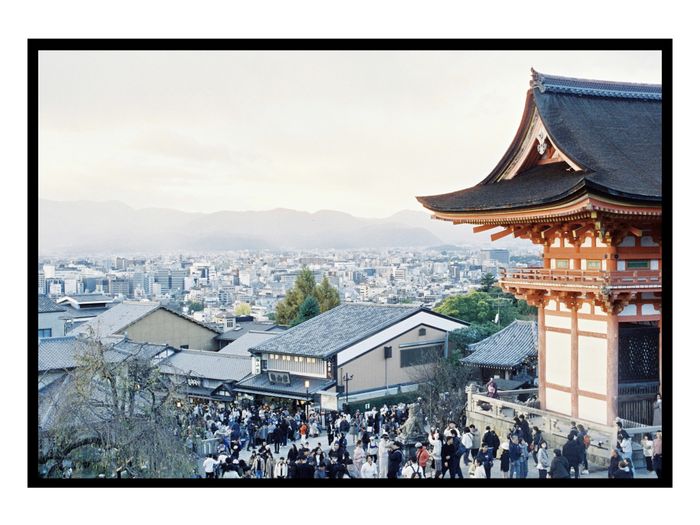
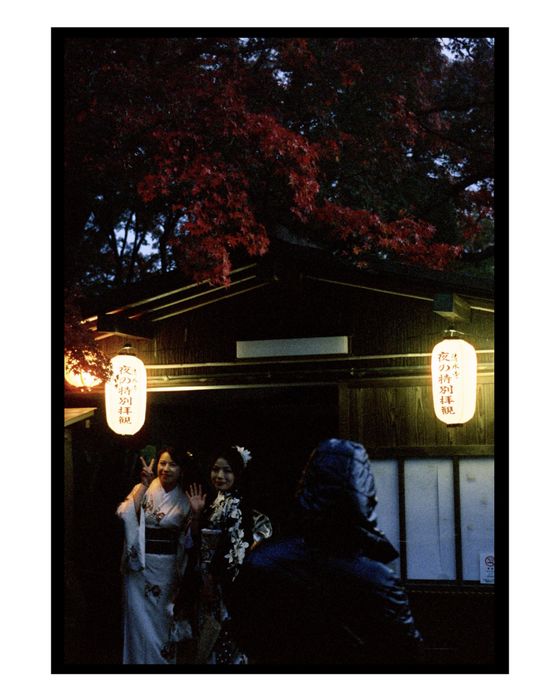
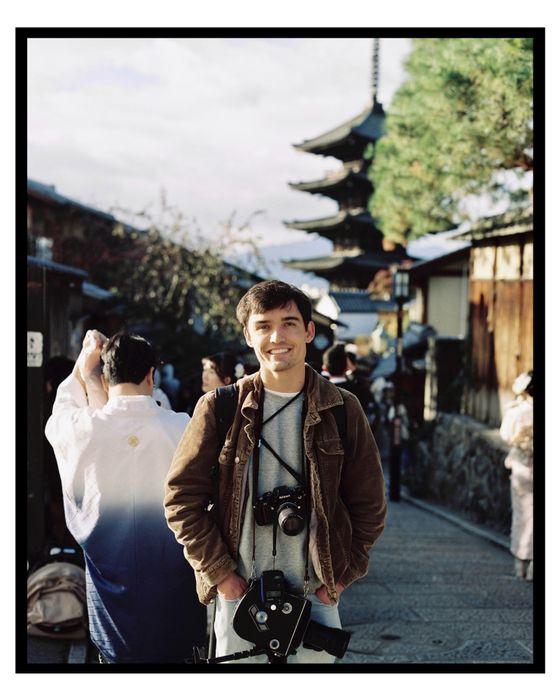
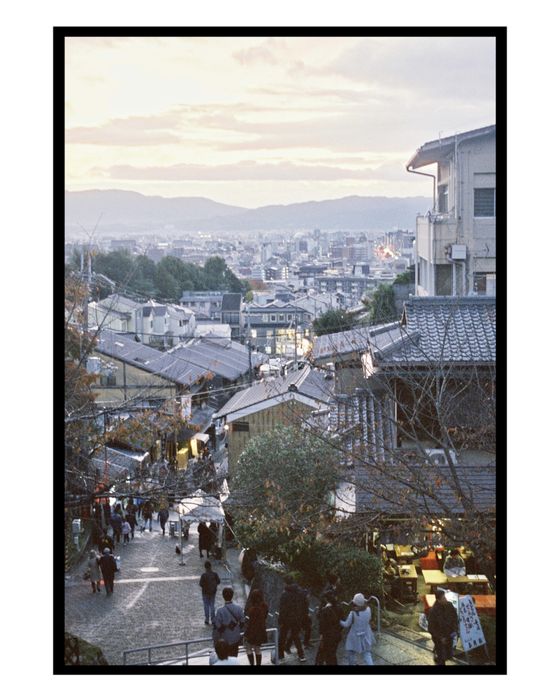
Kinosaki Onsen was one of my highlights; I'd wanted to go to an onsen-gai (spa town) for years, specifically for the photography, and another onsen-gai that I planned on going to was too inconvenient to travel to, so I settled for visiting Kinosaki Onsen — but wow, was it worth it.
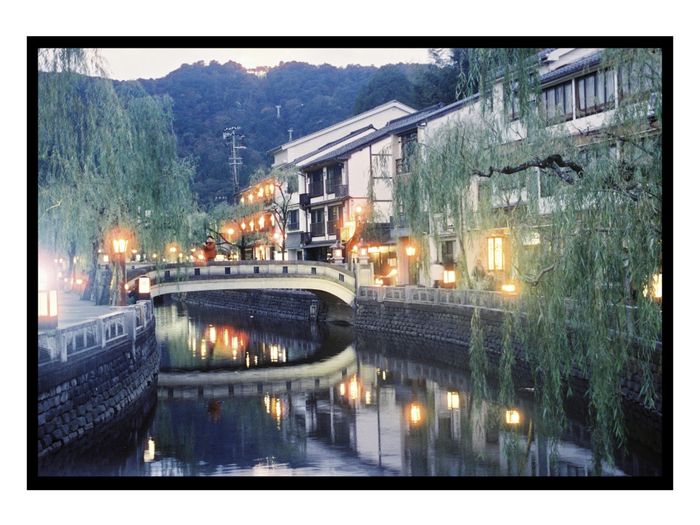
The onsen-gai was spectacular — tranquil, picturesque, and very cozy; plus, at least when I was there, not too overcrowded with tourists, which was surprising. I spent most of the day there just wandering around, snapping shots, looking for souvenirs for my family and friends, and simply taking a nice "break day." If I had to recommend anything for photographers that might be reading: trains run from Kinosaki Onsen pretty infrequently, so visiting in the winter is quite nice if you want to capture sunset/dusk shots, since you can do it while still catching a train back to Osaka/Kyoto in the evening (i.e., without having to spend the night if you don't want to; it gets quite expensive there).
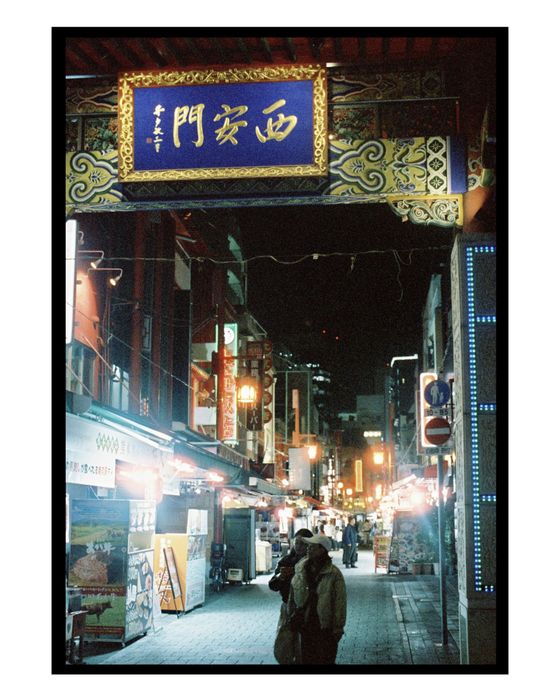
On the way back to Osaka, I stopped in Kobe for the evening, exploring some of the Chinatown, the harbor, and some viewpoints over the city. It was spectacular, and it really reminded me of my old university city, Portland (USA); for having never been to Kobe, it actually kinda made me emotional! By the time I was there in the evening, the streets were pretty empty, which made it all the more exciting for me as a photographer; I could wander around without worrying about bothering other people, I could explore fairly freely, and the holiday twinkle lights were up near the harbor, which added to a cozy atmosphere in the city.
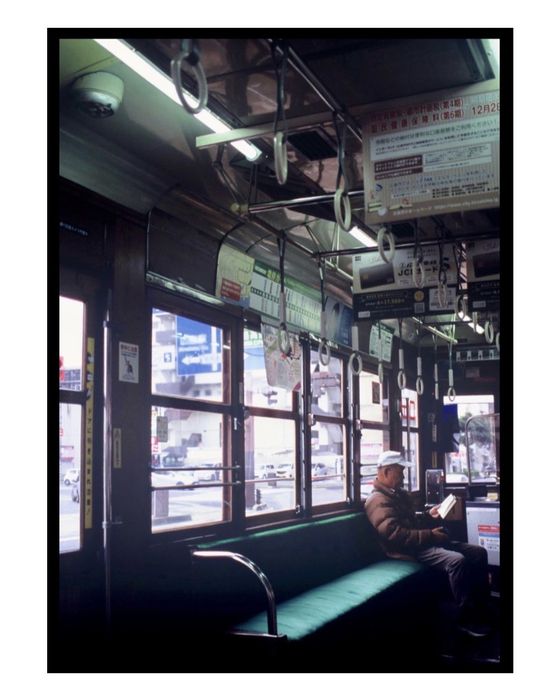
From Osaka, I headed to Hiroshima, which I had been recommended by pretty much everyone I know who has visited and/or lived in Japan, for fairly obvious reasons. I booked a hostel right near the Peace Memorial Museum, which put me pretty central to everything I wanted to do there. I would highly recommend checking out the Peace Museum, as well as the various monuments scattered throughout the city; it's incredibly sobering. But it is a powerful condemnation of militarization and modern warfare. By happenstance, I happened to end up on the Tram No. 651, which is one of only three trams that survived the bombing; everyone in the tram died but one person, and despite losing its roof and being pushed off the tracks, it was transformed into a transport tram to help carry the wounded. After the war, the families and coworkers of the victims rallied for the tram to be repaired and put back into service, so it's still in the old-fashioned style, with its original drivetrain (which was quite interesting to watch the conductor drive it!), wooden floors, and a '30s design, albeit with some modern amenities like card scanners and modern handles.
From Hiroshima, I took a trip to Miyajima Island, home to another one of Japan's "Three Views." You may have seen the famous gate in the water before. It was also absolutely spectacular, and I had a full day to explore; one bummer was that, like Nara, the wild deer population was constantly being harassed both by foreign tourists and Japanese schoolchildren, including a group that was pushing a deer around until another one came up and scared the kids away. Despite this, I would HIGHLY recommend Miyajima, especially in late autumn; Momijidani Park (named for its momiji, or maple trees) was particularly vibrant and was also one of the highlights of the whole Japan trip for me. I could spend hours wandering around the park, but unfortunately, it was cut short because of early sunsets in the winter.
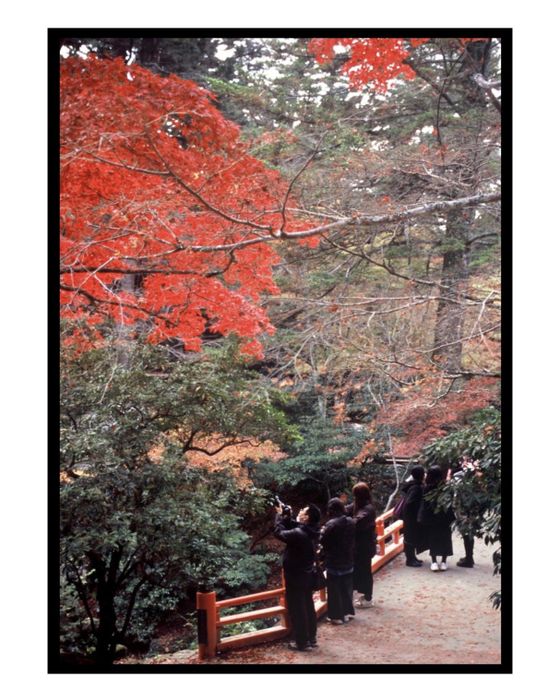
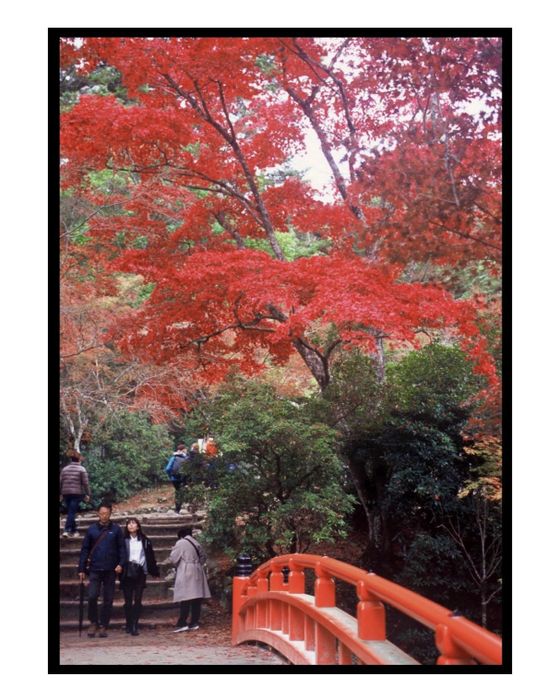
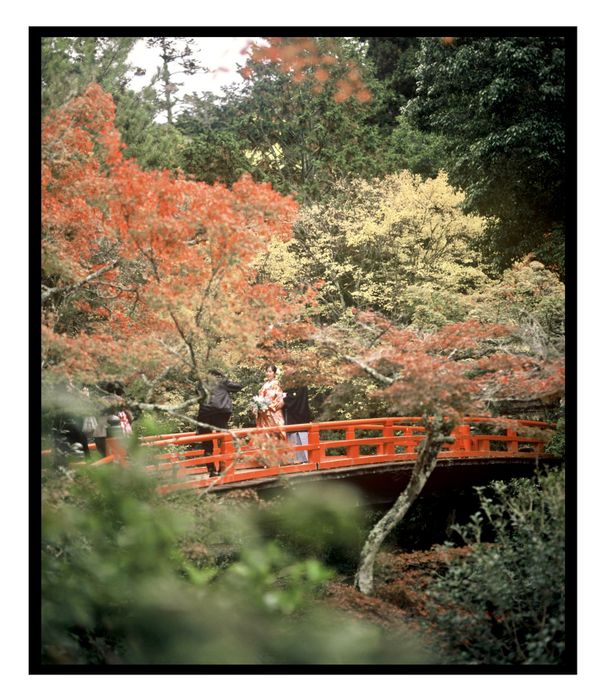
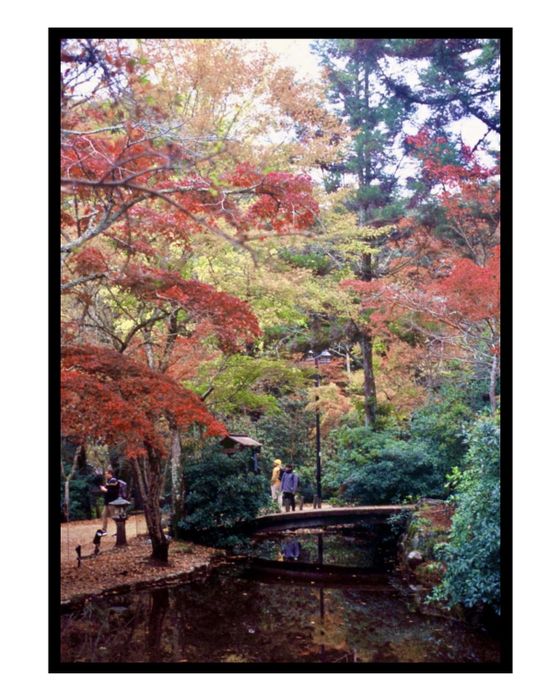
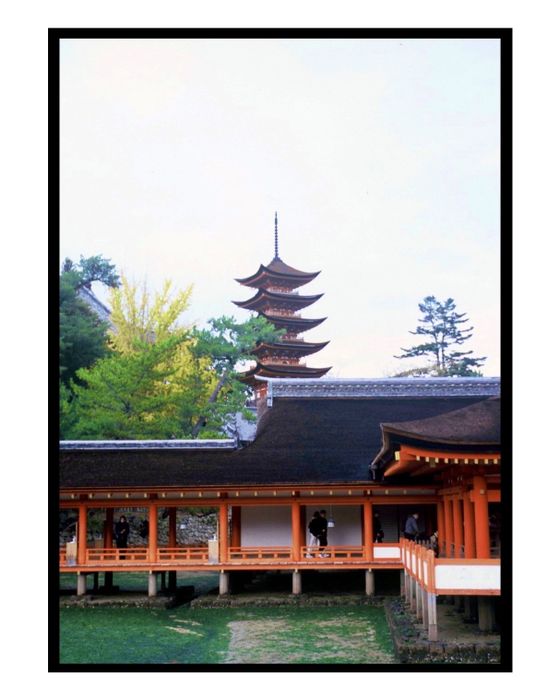
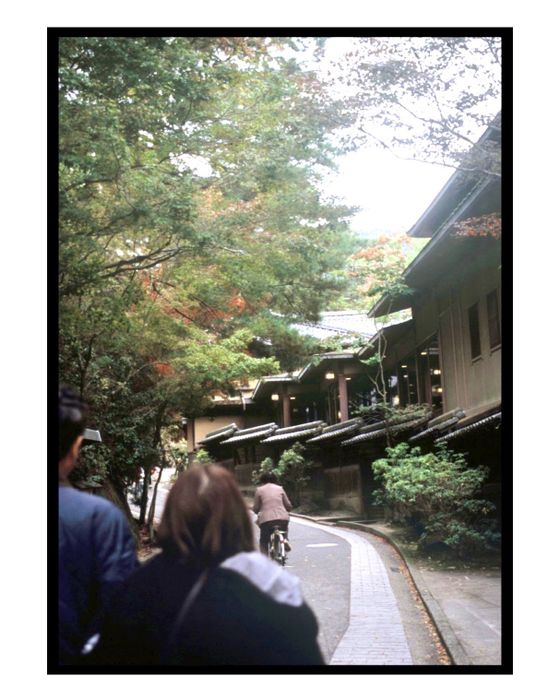
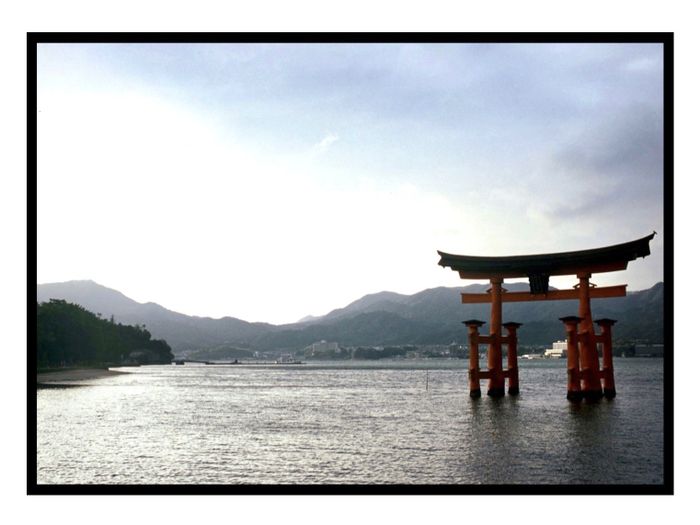
As the sun started to set, I wandered back into town to do some souvenir shopping and to get some warm drinks, since it was pretty chilly by that point.
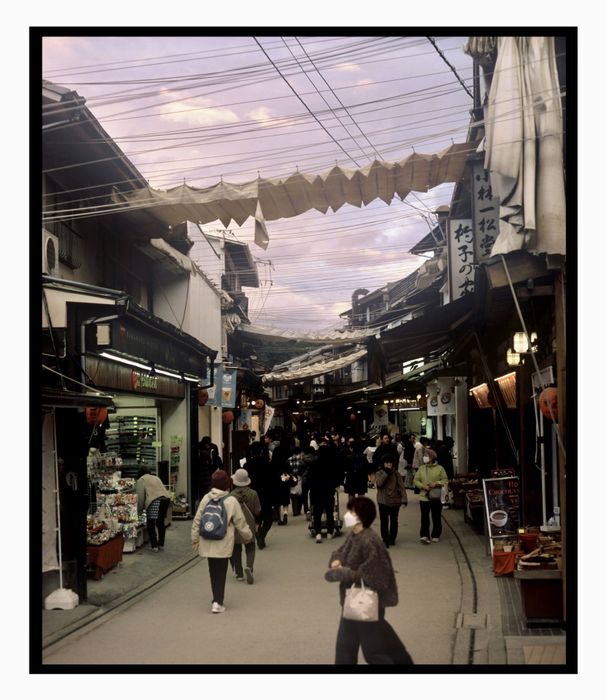
From there, I headed back to Hiroshima, then off to Fukuoka (where I didn't take any photos, but you can find my 16mm footage in the video from there), then off to Hong Kong.
Hong Kong (and Macau)
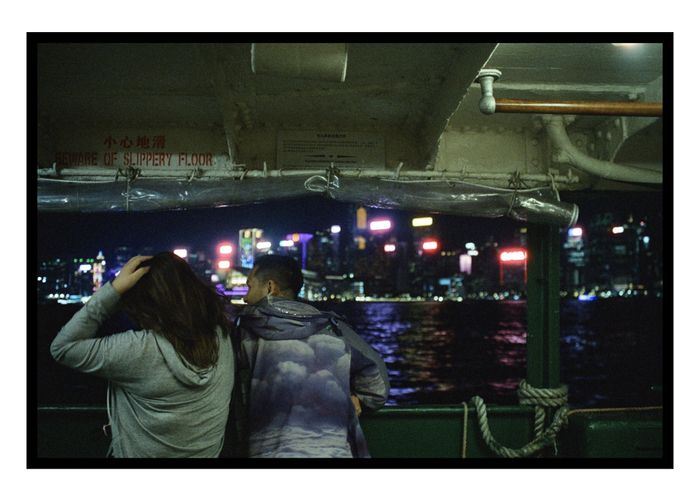
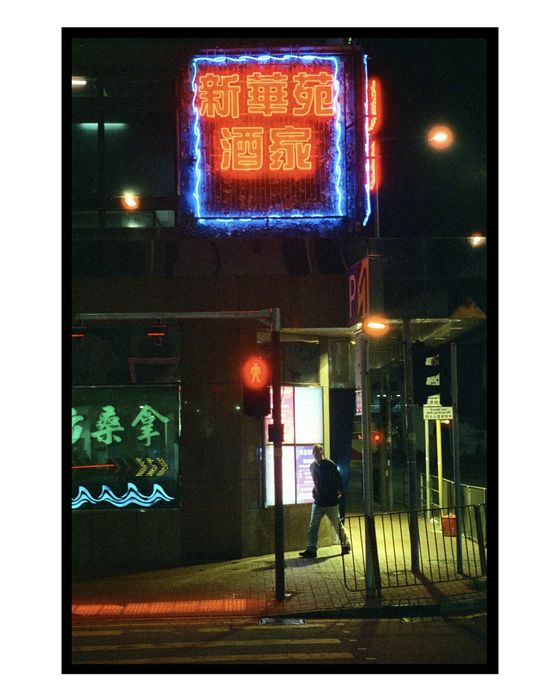
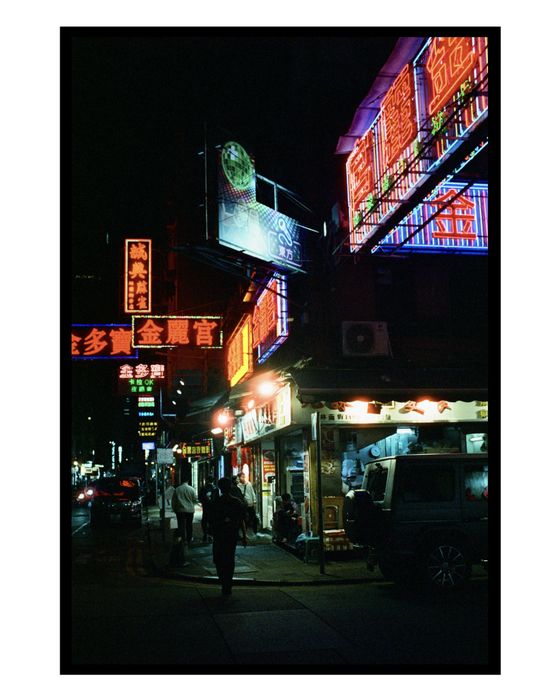
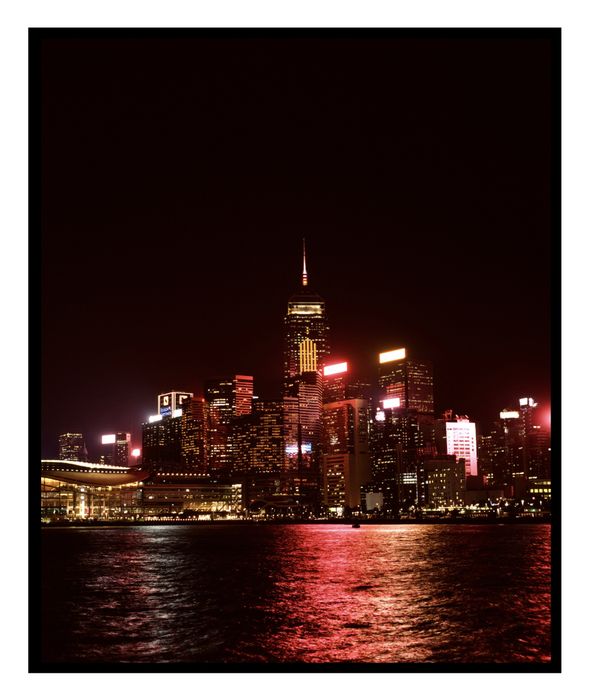
Onto one of my favorite parts of the whole 3 months: Hong Kong. After a disastrous first night staying in Chungking Mansions, in which multiple cockroaches were found crawling around the room and on my bed (I did not sleep well & wore a mask so they wouldn't crawl in my mouth!!), I ended up finding another hotel in the Mong Kok neighborhood, north of Hong Kong, which provided a much better experience. If you haven't seen the movie Chungking Express, let me summarize: Chungking Mansions is a residential building, densely packed and with hostels at the top, but clearly with its own risks. It's the cheapest place to stay in Hong Kong, but there's a reason it's so affordable: it was once known for crime, drug deals, and other issues, and is clearly in violation of some fire safety codes. I'd been warned to stay out of CKM by friends who lived in Hong Kong; I've stayed in pretty shifty places before, including sleeping on the street multiple times in order to budget. But the roaches in my bed were a no-go. The hostel workers were also shady and forced a 60$ (USD) extra payment without explaining the cost, but there was no way to protest, and they tried to take my phone to give the hostel a good review even after I cancelled the rest of my stay there. I'd read about this happening in other reviews for the place, but didn't think it could be real. However, it turns out that it was—and the 8-star rating was clearly inflated by these fake reviews, including some "reviewers" who left DOZENS of 10-star reviews. Anyways — new hotel (a PROPER hotel) and the rest of the trip was a DREAM.
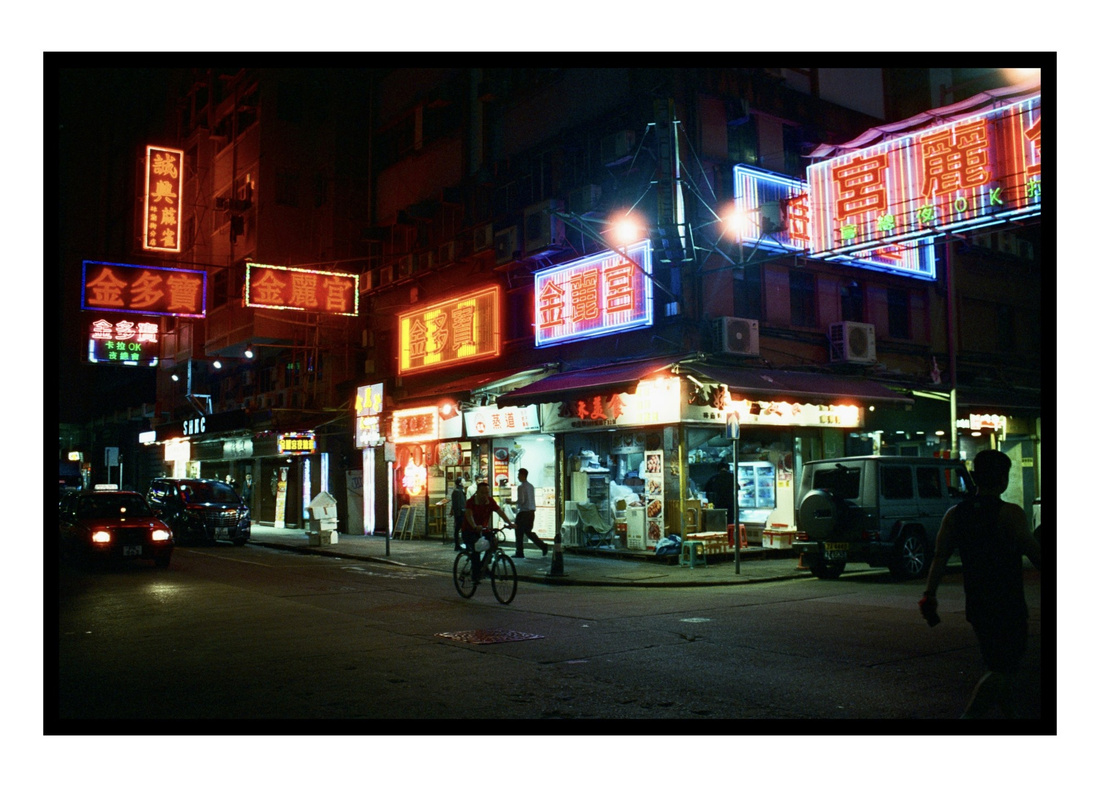
Most of my time in Hong Kong was spent just exploring the city: from Central (a futuristic, clean business district full of skyscrapers) to Tsim Sha Tsui (where CKM is), Mong Kok (where all the neon lights are), Victoria Harbour, and more. Rather than give you a full rundown of everything, I'll just include the photos:
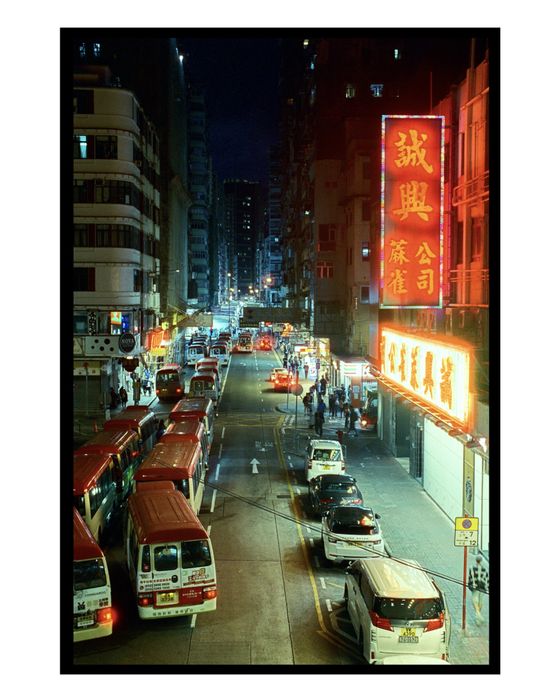
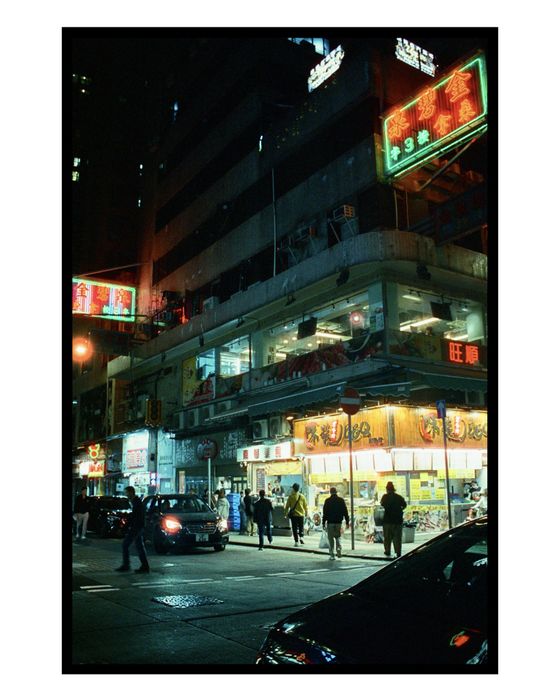
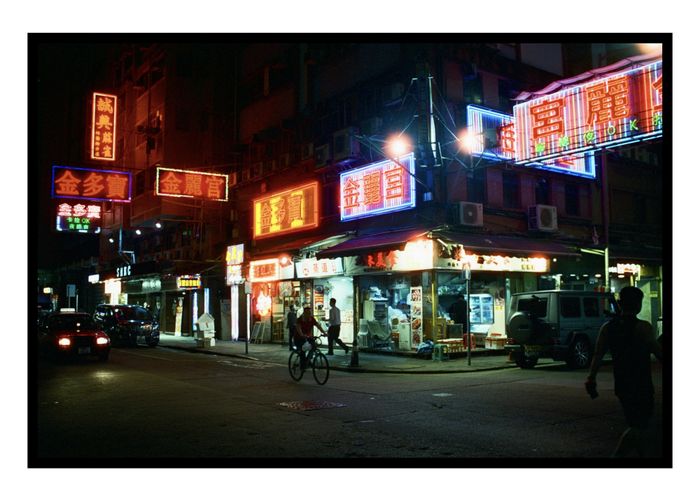
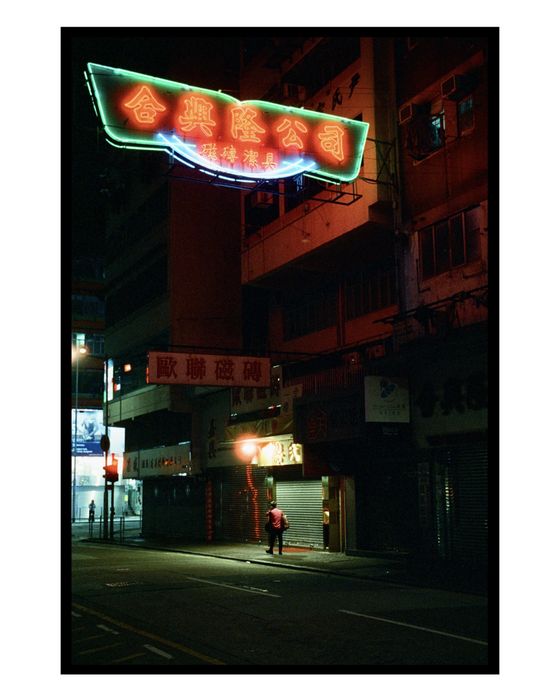
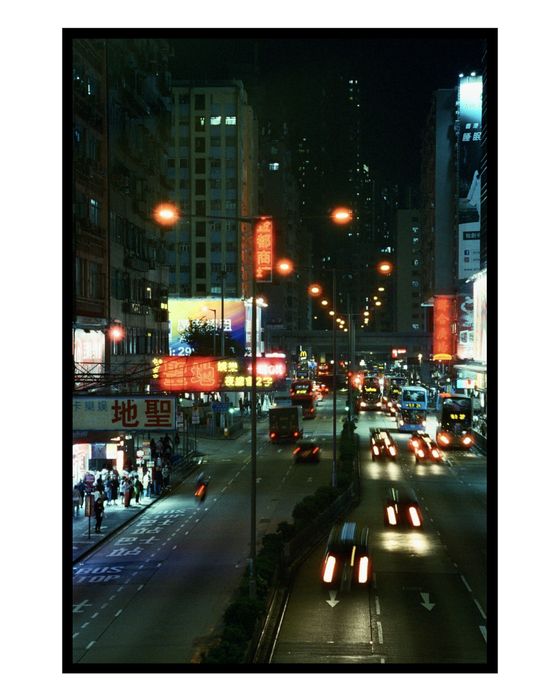
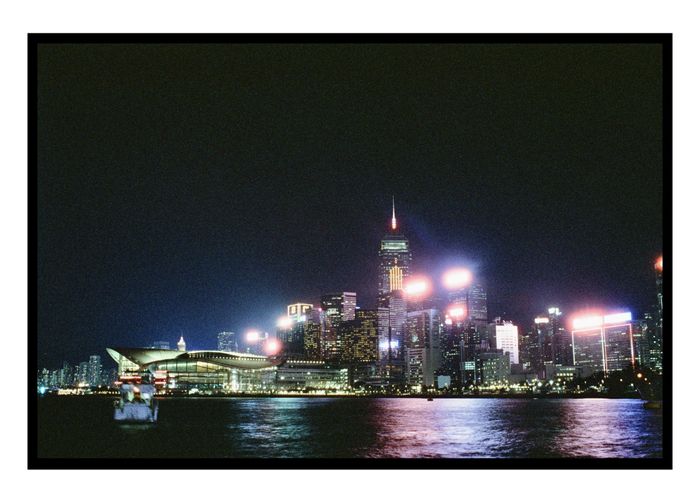
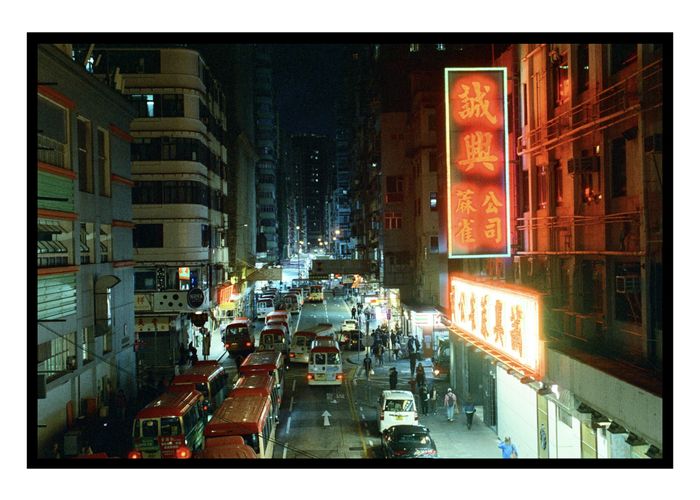
Oh, and I took pictures in the daytime too. Here are some from the "ladder streets" and surroundings:
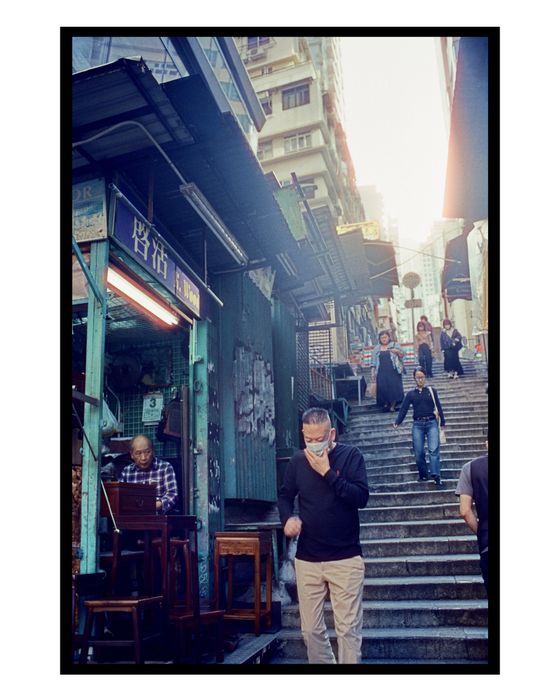
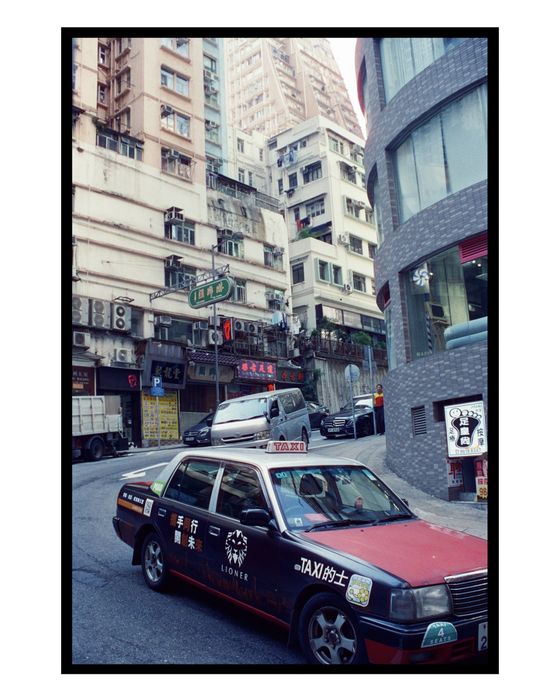
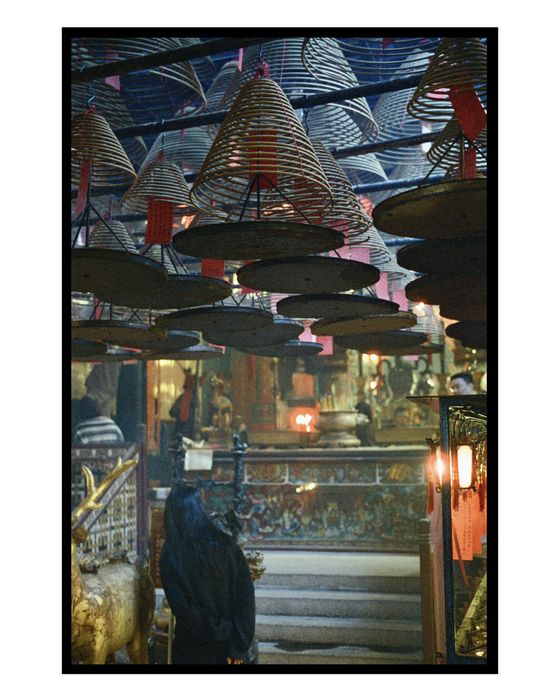
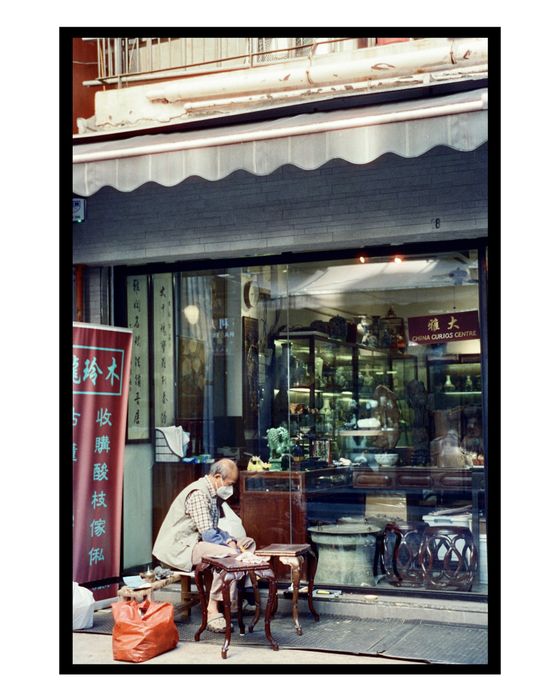
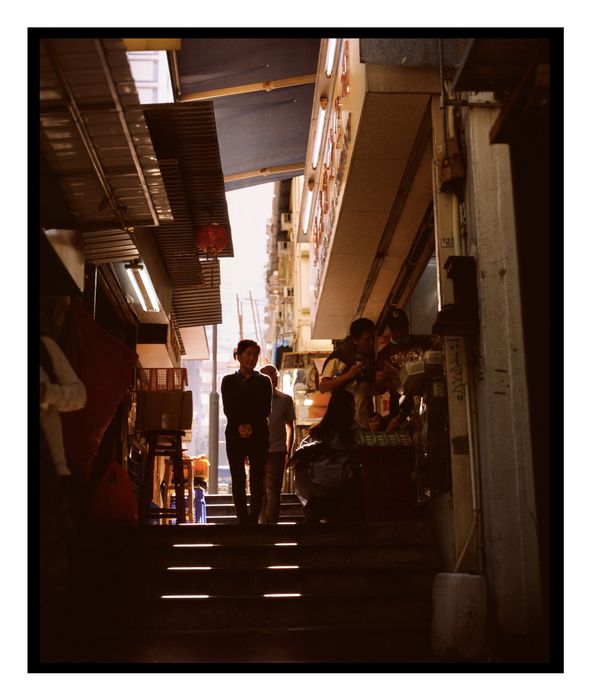
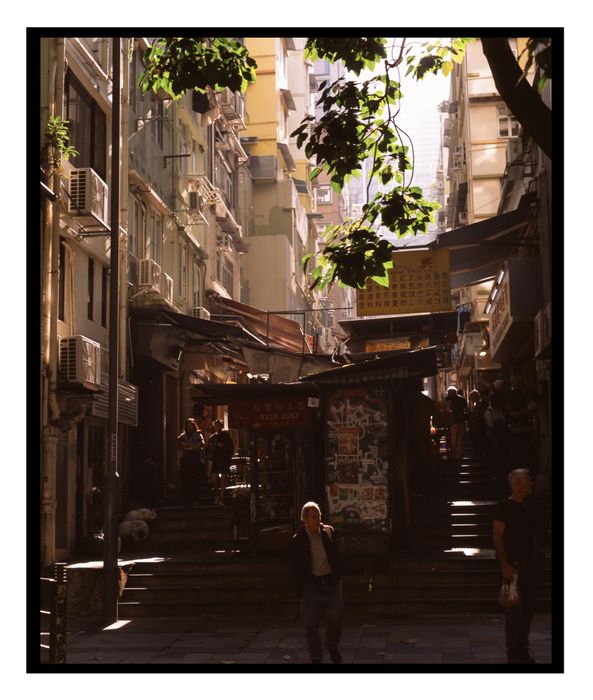
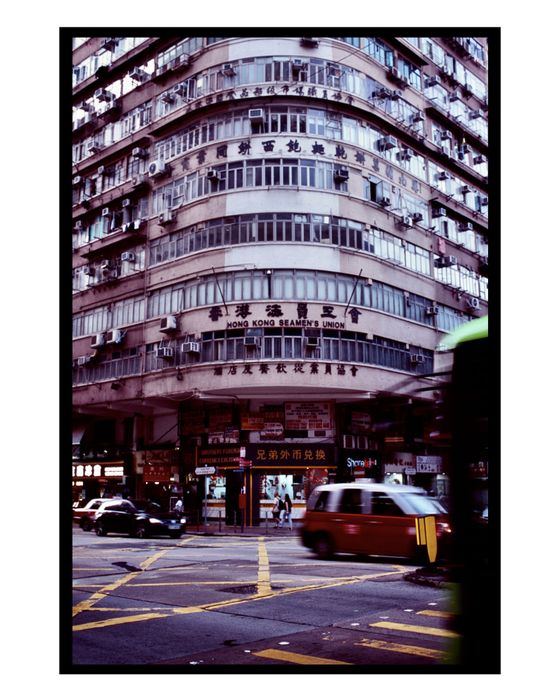
I also took a trip up to the Peak, which offered a stunning view of the cityscape.
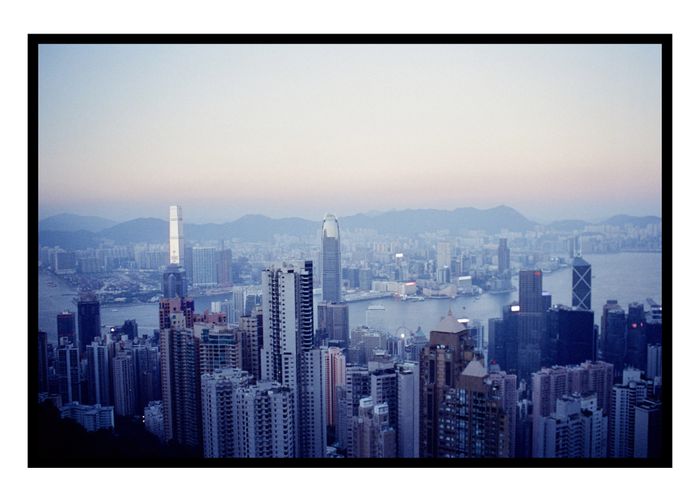
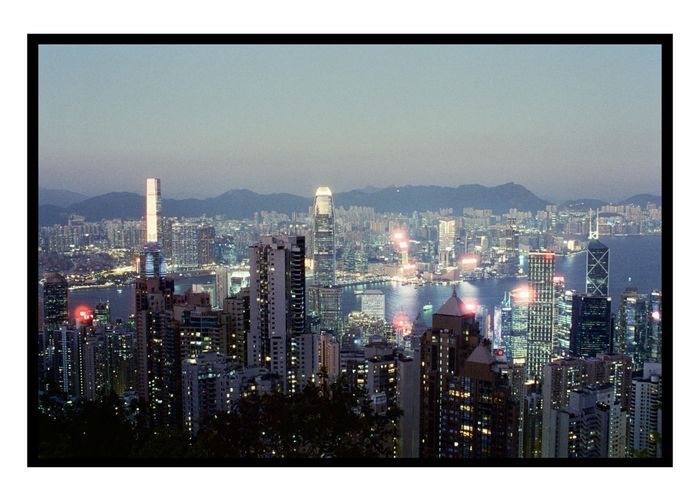
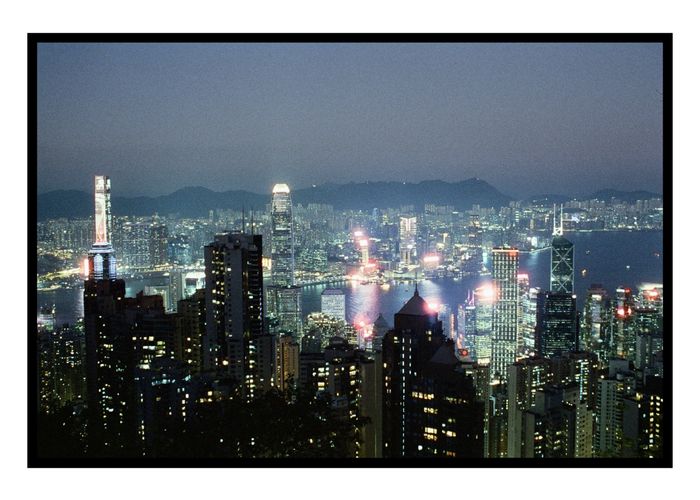
Of course, while I was in Hong Kong, I also wanted to get some time in Macau, so I took the ferry out there. It was fascinating; since it was controlled by the Portuguese for so long, signs and administrative things were still in Portuguese, while the architecture (especially in the old town) was clearly influenced by Portuguese architecture, while still retaining a distinct identity.
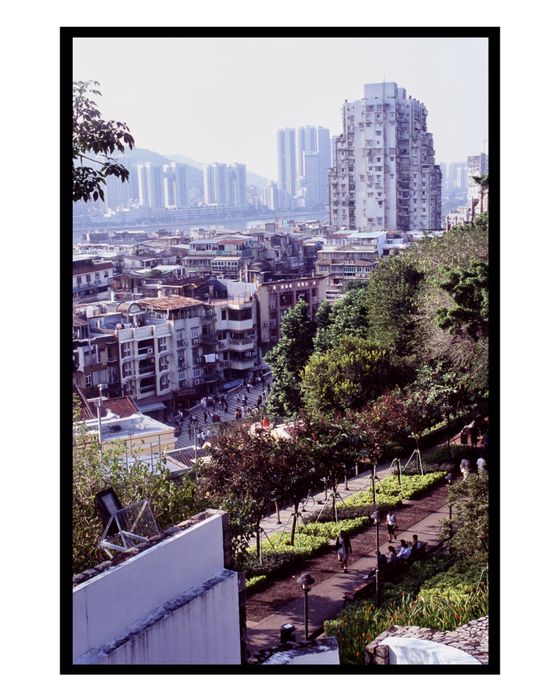
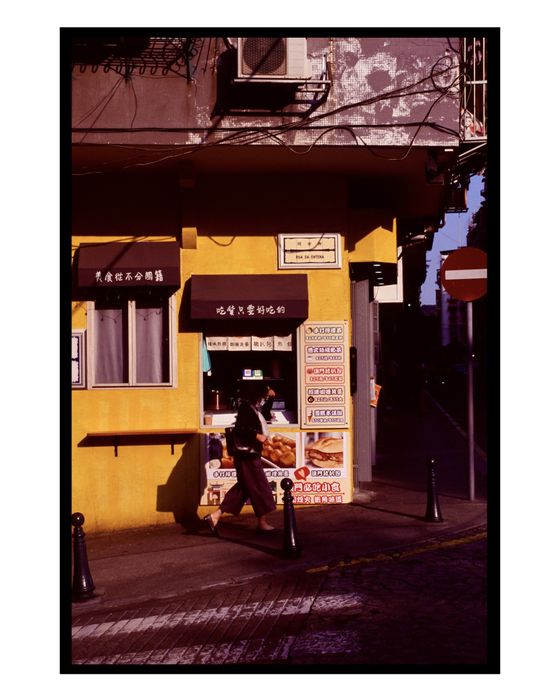
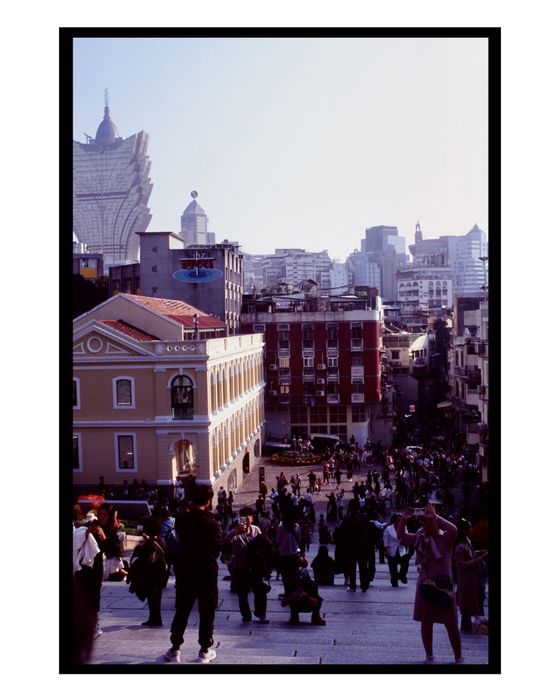
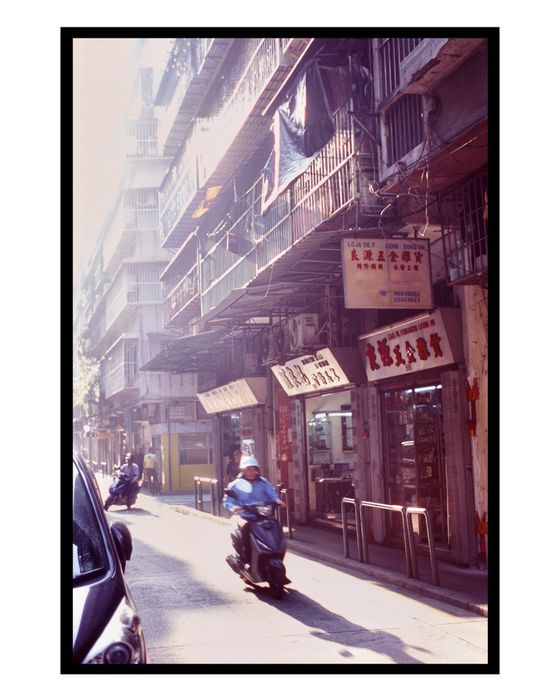
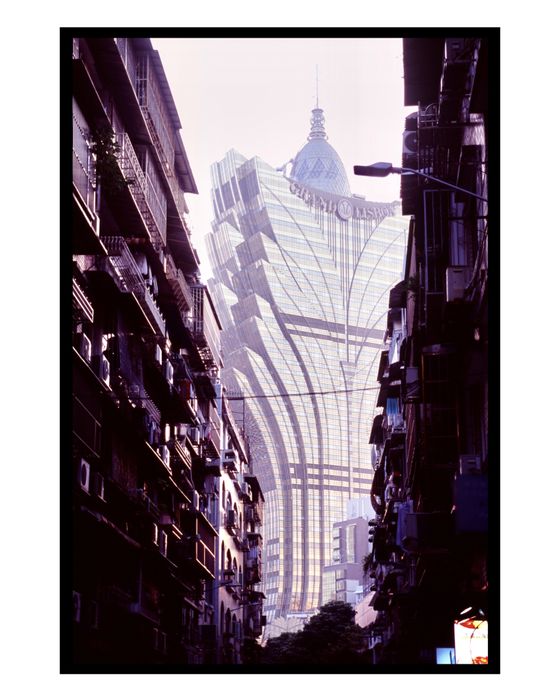
(That last shot took HOURS to find the location!)
Anyways - Hong Kong and Macau were probably the biggest surprise of the whole trip. I'd been everywhere in Europe that I traveled to, and I knew I would like South Korea and Japan, but Hong Kong and Macau were so surprising and unique. It felt like every single corner offered something new, and each neighborhood felt different from the others; ultimately, both Hong Kong and Macau are just so multifaceted, even in fairly confined areas, and I just fell in love. Plus, as a huge cyberpunk nerd, I could have spent hours wandering around Mongkok and basking in the neon glow — and I did. I hope I can go back soon!
But alas, after a week, it was time to move on to my last location: Taiwan.
Taiwan
I'd been to Taiwan before, in 2019, since my brother used to live there before moving out to China. This made it pretty easy to come up with an itinerary, since I already knew what I wanted to see and photograph.
Of course, Taipei 101 and Elephant Mountain had to be on the list. I hadn't visited Elephant Mountain the last time I was there, so I went up for sunset to take some shots of the city.
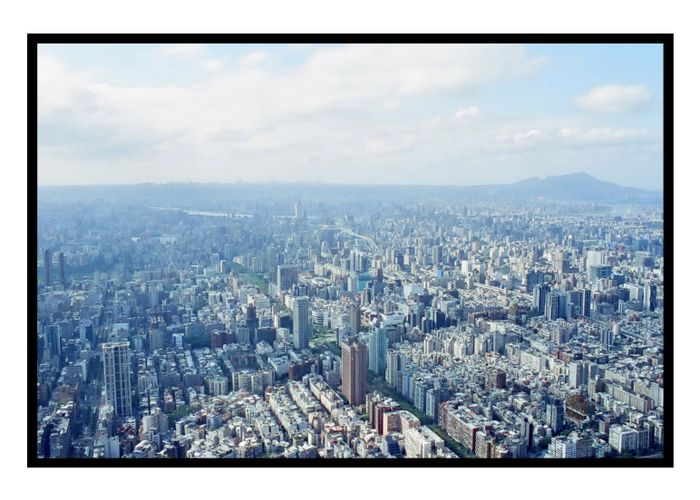
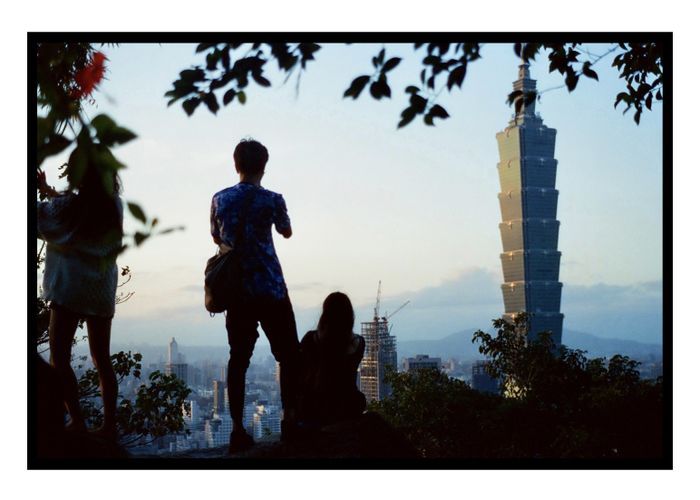
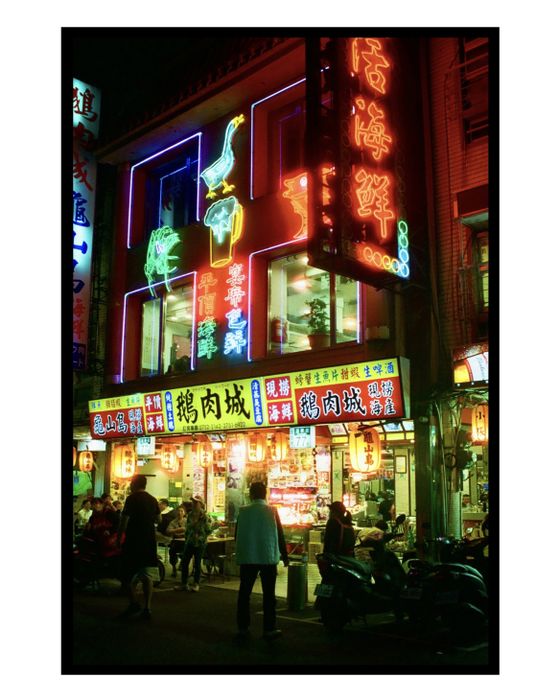
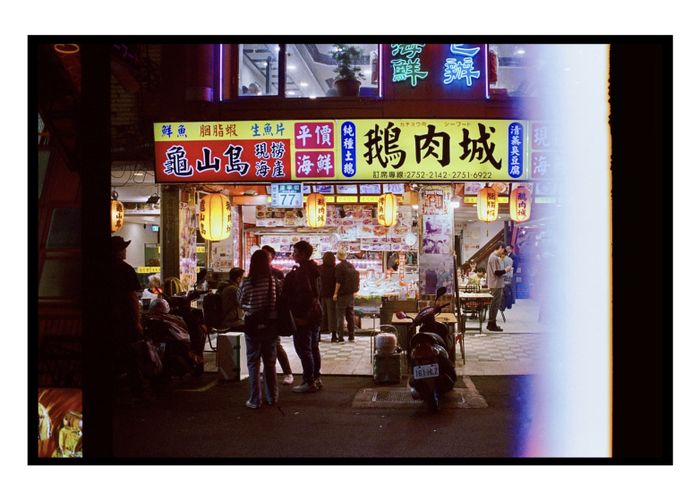
Pretty much every night was spent wandering around night markets or alleys to shoot in. That was one of my most memorable parts of my first trip to Taiwan, so I knew I wanted to capture it on film this time around. Thankfully, I found some re-spooled Kodak movie film while I was in Hong Kong, so it gave the shots a little bit of that "cinematic" (I hate that word) look. Among others, the Raohe Night Market and the Shilin Night Market were some of my favorites.
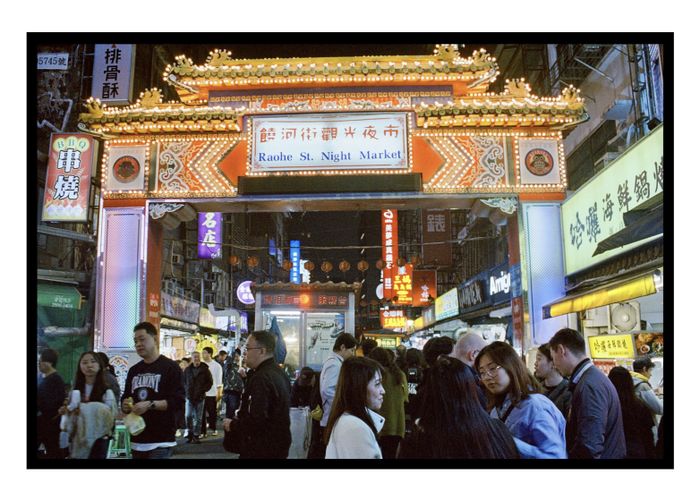
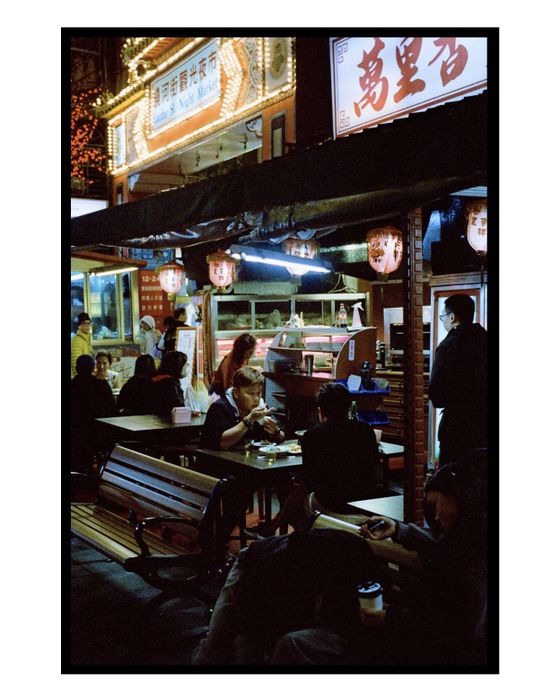
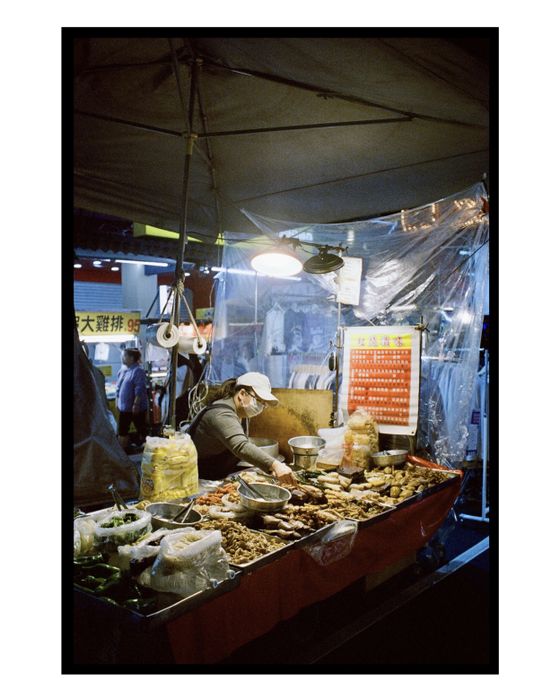
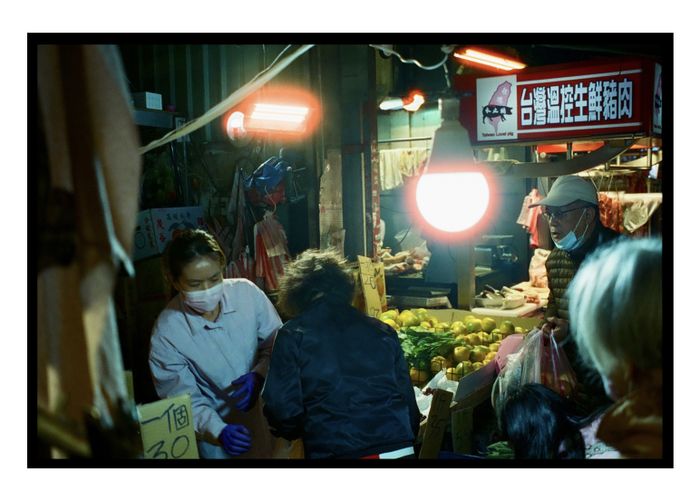
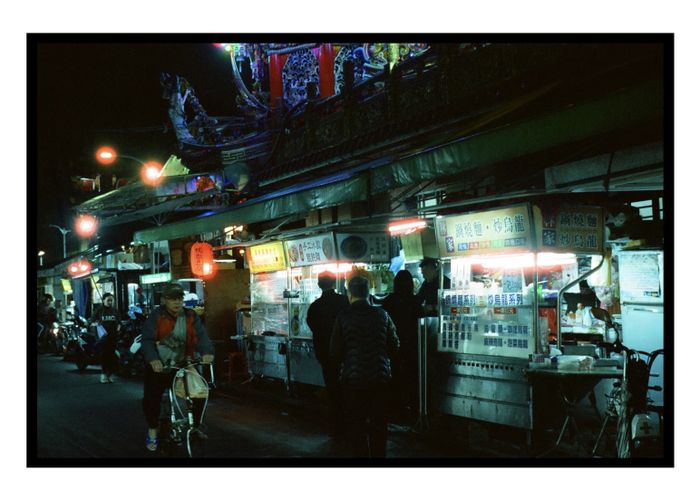
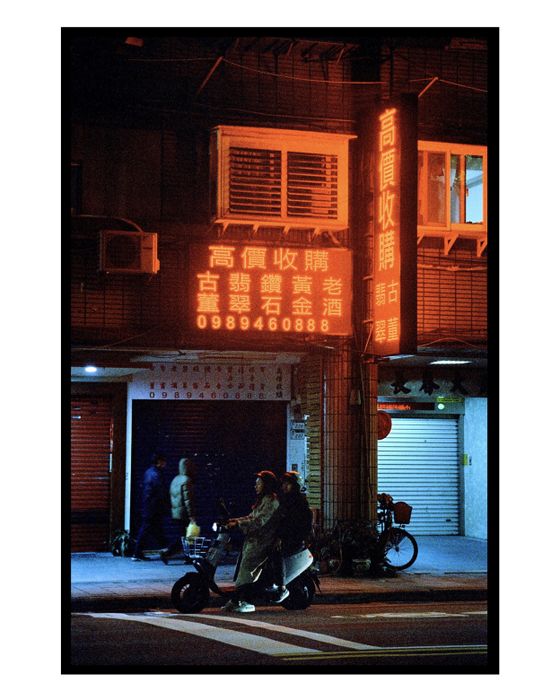
One of my favorite things about Taiwan is the multitude of temples; you can find temples ANYWHERE and EVERYWHERE, and some are literally just basically built into walls, like this one, which I just stumbled upon when wandering the streets of Taipei:
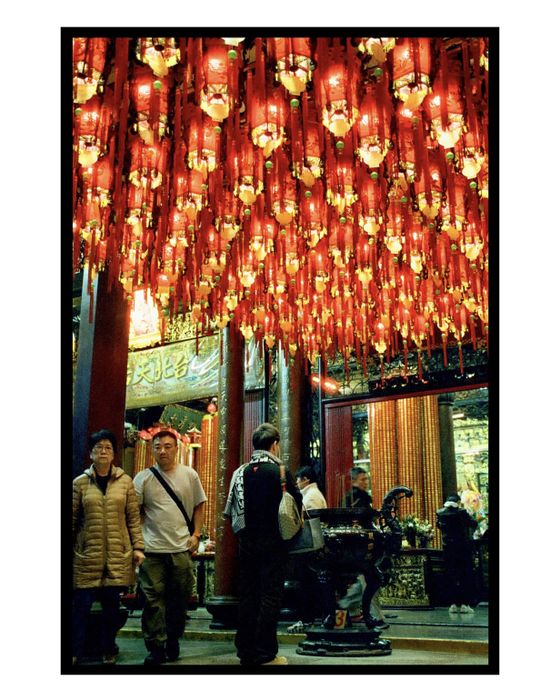
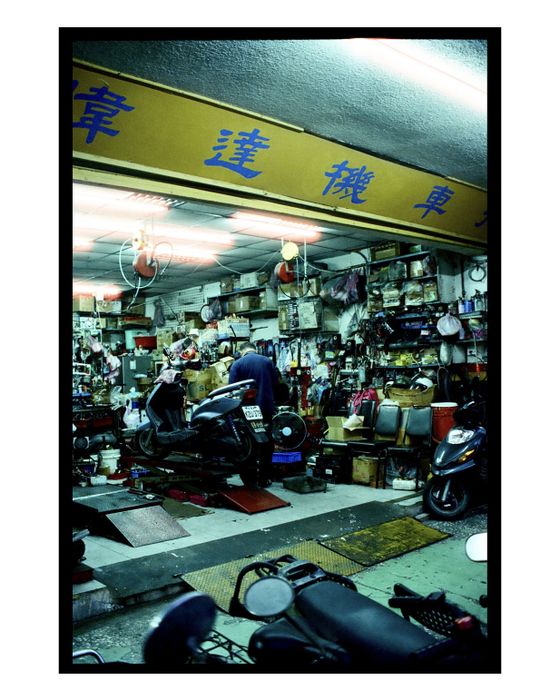
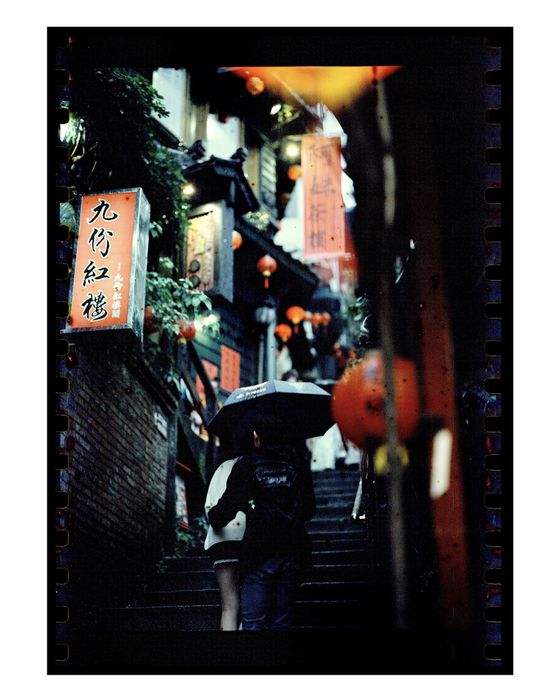
Of course, I didn't just stay in Taipei: I took day trips to Jiufen, the town that allegedly inspired "Spirited Away;" Jinguashi, a nearby mining town; Houtong Cat Village (which unfortunately was pretty empty, due to a lot of rain while I was there); Shifen, which is known for its lantern festivals and waterfalls; and Sanxia, which is near Taipei and has a lovely little old town. The top three photos are from Taipei, but the rest are from elsewhere, primarily Jiufen:
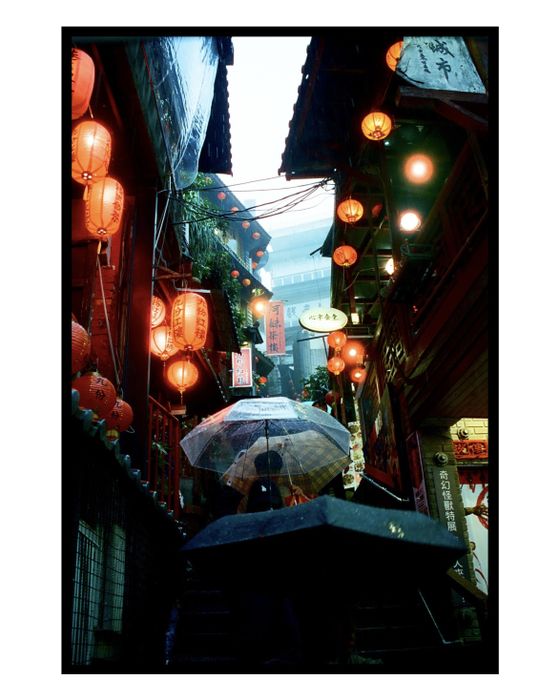
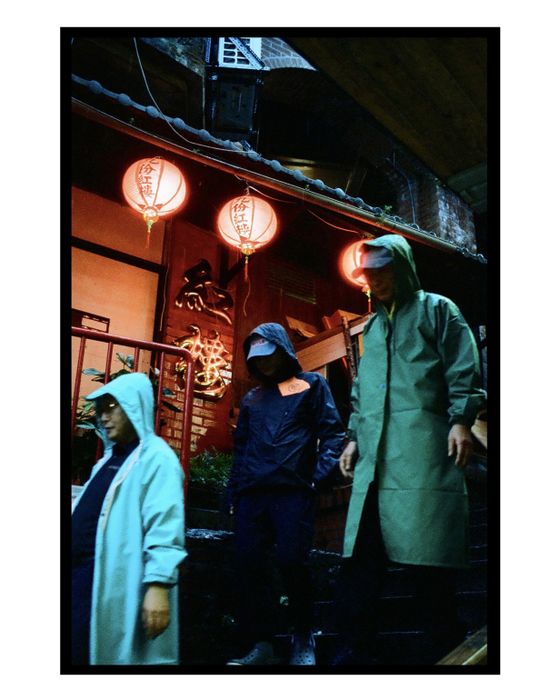
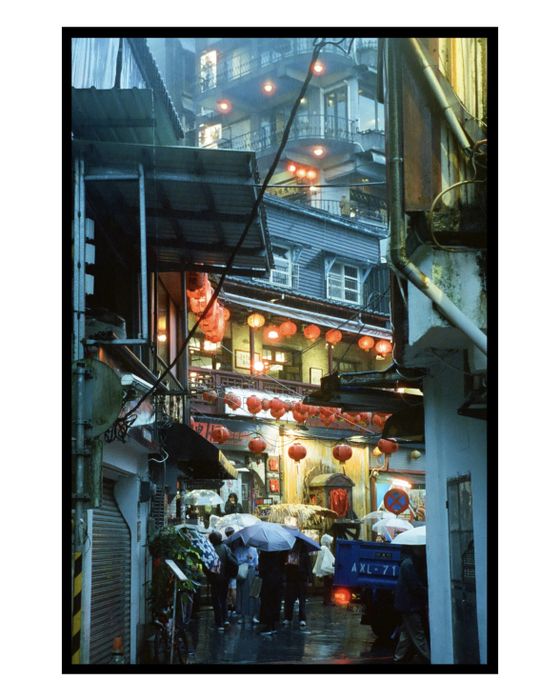
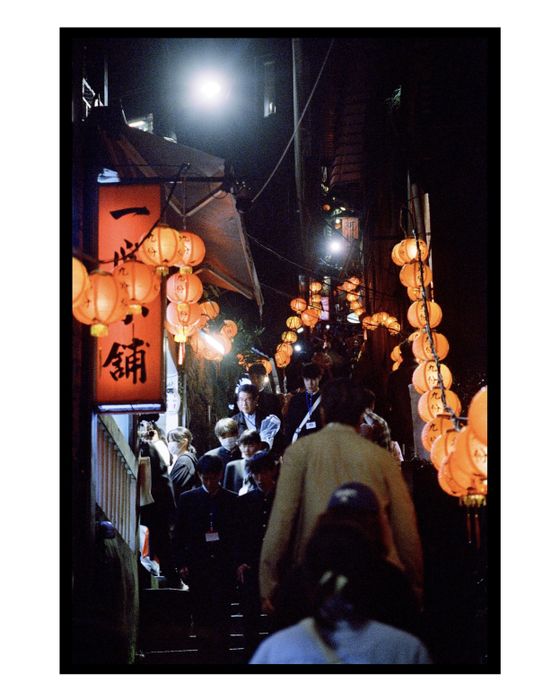
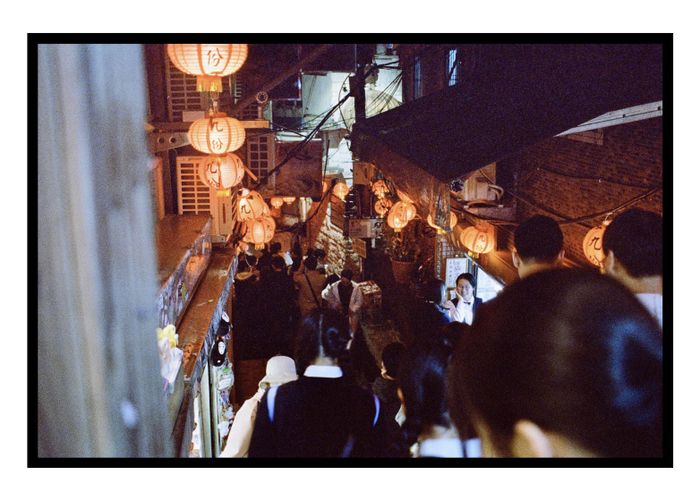
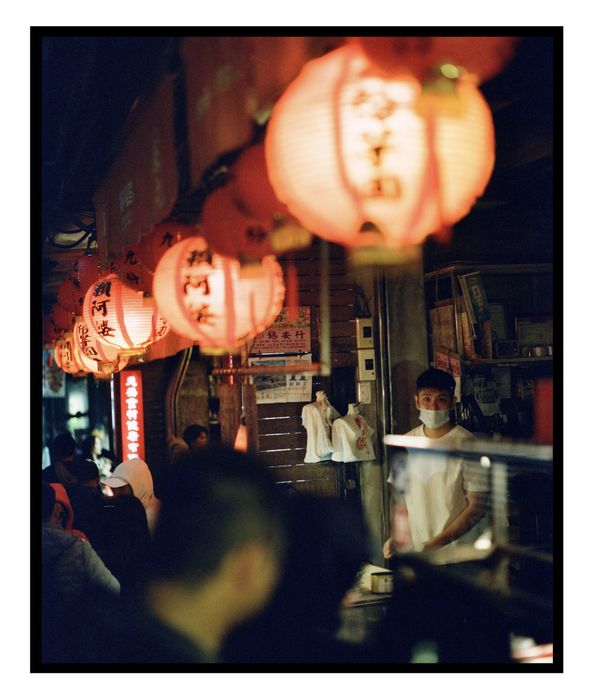
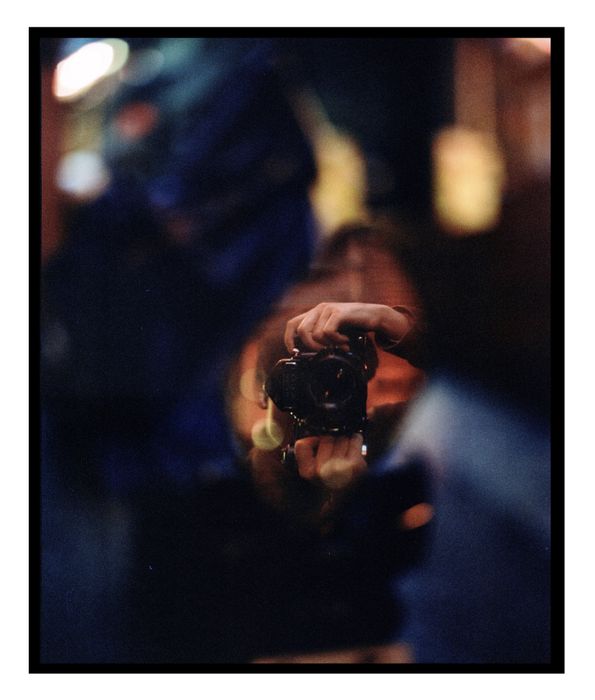
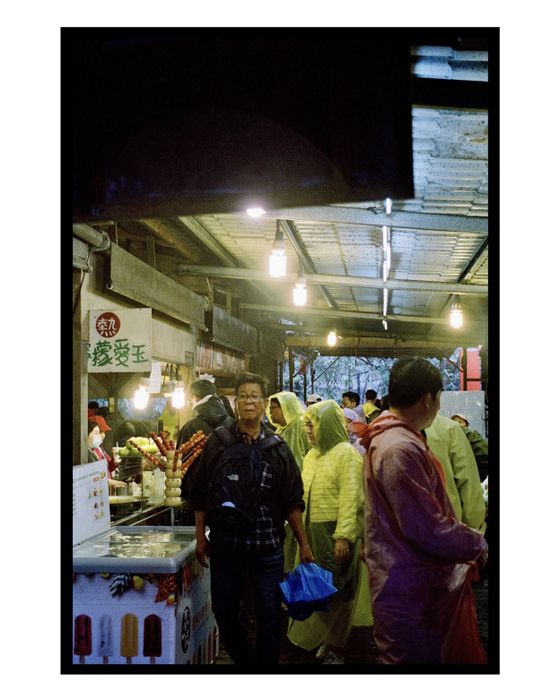
Though I'm not including more photos from these places, like Jinguashi and Shifen, you can find lots of clips within the 16mm footage at the top of the article.
And with that — that's the end of my Asia trip. I ended up heading to Hawai'i for a couple of weeks after this, but that's for another article.
If you happen to visit these places and want to know which labs I would recommend to develop/scan your film:
Tokyo: National Photo;
Osaka: Ue6 Camera/"Ueroku Camera": incredibly friendly, helpful staff. Very cozy, local business!
Hiroshima: Kamera no Saeda (they only scan on CD, though! No email service
Fukuoka: Yakuin Camera
Hong Kong: Camera Film Photo: they do E6, C41, and B/W film ON THE SAME DAY and for incredibly inexpensive; plus they do ECN-2!
Taipei: FilmUncle: great lab. I brought in 8 rolls of film (E6 and ECN-2 films!) and it only cost me $50USD to get all of them developed and scanned at the highest quality as TIFF files. At any lab in Europe or in the US, that would probably be a minimum $400-500.
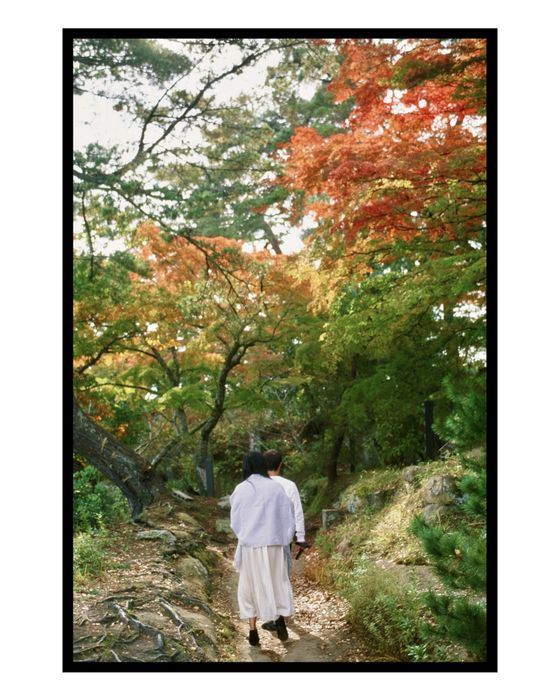
You can find some of my favorite photos from Asia in the album below — enjoy! If you have any questions about the locations, just shoot me a message on my Instagram :)
WRITTEN AND PHOTOGRAPHED BY
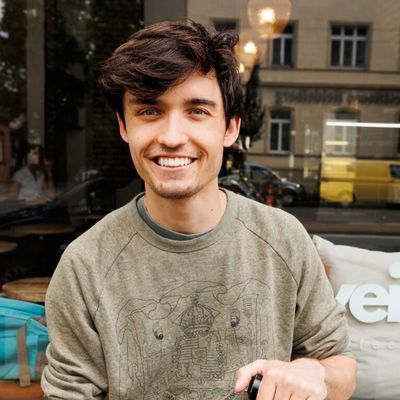
Cal
I grew up around cameras - my mother was a professional photographer for decades and as I got older, I picked it up myself, starting with digital and moving exclusively to film: 35mm, then 120, and now 16mm motion picture. I generally like to take photos of street scenes, travel locations, concerts, or people - mostly daily life, documentary photography. Or anything really, as long as it’s on film.