The Oscars 2026: Hollywood’s Most Unpredictable Night

Awards season has officially come to an end. The 98th Academy Awards, held on March 15, 2026, at the Dolby Theatre in Hollywood and hosted by Conan O’Brien, wrapped up months of predictions, campaign narratives, and, of course, heated debates about what the Academy would ultimately reward this year.
And like every year, the Oscars delivered exactly what they always do: a mix of expected wins, shocking losses, emotional speeches, and at least a handful of decisions that will keep film Twitter arguing for the next few weeks.
Going into the night, the biggest question seemed simple: would the Academy go with Ryan Coogler’s Sinners, the season’s most nominated film, or Paul Thomas Anderson’s One Battle After Another, the slow-burn contender that gained momentum toward the end of awards season?
In the end, the Academy chose the latter.
With six awards, including Best Picture, Best Director, Best Adapted Screenplay, Best Supporting Actor, Best Film Editing, and the newly introduced Best Casting award, One Battle After Another became the biggest Winner of the night.
But the actual story of the evening was about who didn’t win.
The Winner Takes it All: One Battle After Another
Paul Thomas Anderson’s One Battle After Another walked away with Best Picture, solidifying the film’s late-season momentum and finally giving Anderson the directing Oscar that had long eluded him. For anyone who followed awards season closely, this win didn’t come entirely out of nowhere, but it also wasn’t entirely guaranteed. Throughout most of the season, the narrative seemed to revolve around Sinners dominating the nominations race, entering the Oscars with an astonishing 16 nominations, the most of any film this year.
In my predictions earlier this year, I leaned heavily toward the idea that the Academy might reward the cultural momentum of Sinners. After all, films that dominate the nomination field often carry that energy into the final voting. But the Oscars rarely follow the most obvious path. Instead, the Academy ultimately rallied around Anderson’s political epic, awarding it not only Best Picture but also Best Director and Best Adapted Screenplay, along with additional wins for editing and casting.
It was the kind of sweep that reminds you how much late momentum matters in Oscar voting, especially after the whole PR nightmare fiasco with Timothée Chalamet.
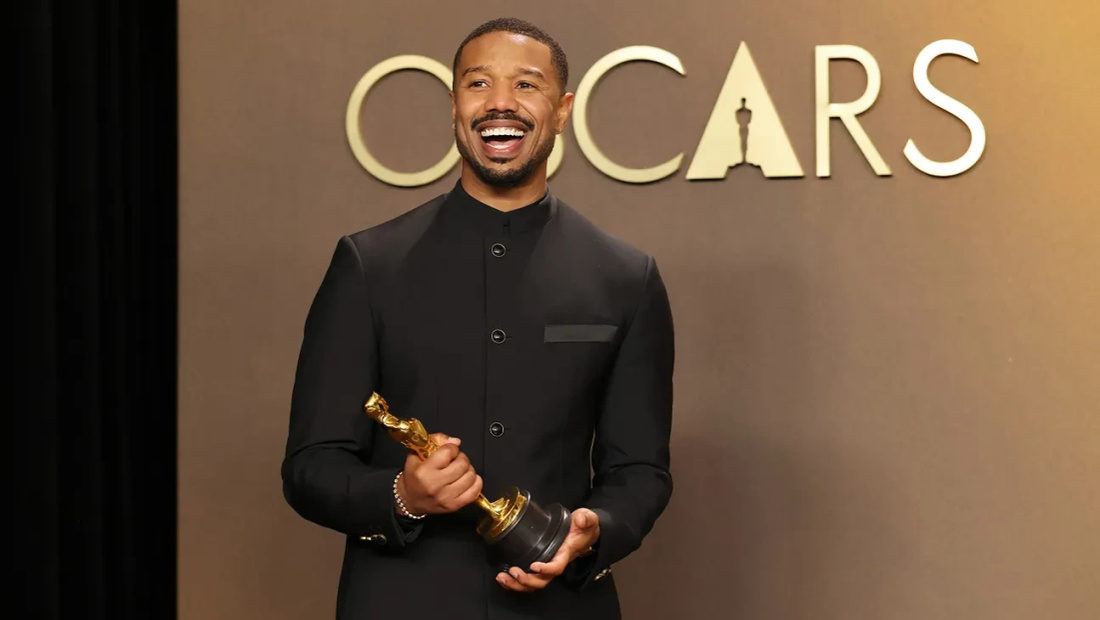
Michael B. Jordan Wins Actor in A Leading Role
Even though Sinners didn’t win the top prize, calling the night a loss for the film would be ridiculous.
Ryan Coogler’s thriller still walked away with four major awards, including Best Actor for Michael B. Jordan, Best Original Screenplay, Best Original Score, and Best Cinematography.
One of the most satisfying wins of the evening came when Michael B. Jordan was announced as Best Actor for Sinners.
Going into the ceremony, the category still felt surprisingly open. Awards season had shifted momentum between several contenders, and after a few early surprises throughout the night, especially with Sinners not sweeping categories the way many expected, there was a real sense of uncertainty about where the Academy might land.
But when Jordan’s name was read, it felt like the obvious decision.
His performance in Sinners carried the film from beginning to end. It’s the kind of role that demands complete emotional commitment at its core. The performance managed to hold together a film that was ambitious in scale while still grounding it in something personal. And that’s ultimately what made it stand out in a crowded field.
Jordan has been one of the most compelling actors working in Hollywood for years, delivering strong performances across both blockbuster films and smaller character-driven projects. This win didn’t feel like a sudden breakthrough so much as the Academy finally recognizing a body of work that has been building toward a moment like this for a long time.
When he walked on stage to accept the award, the reaction in the room said everything.
Sometimes the Oscars get it wrong.
But this time, the Academy got it exactly right.
Jessie Buckley's Wins Actress in A Leading Role
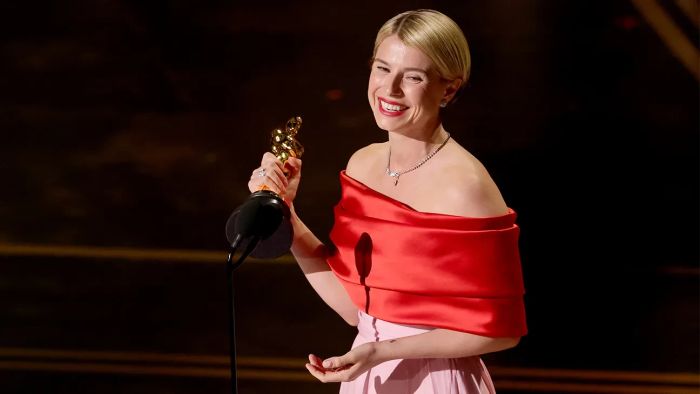
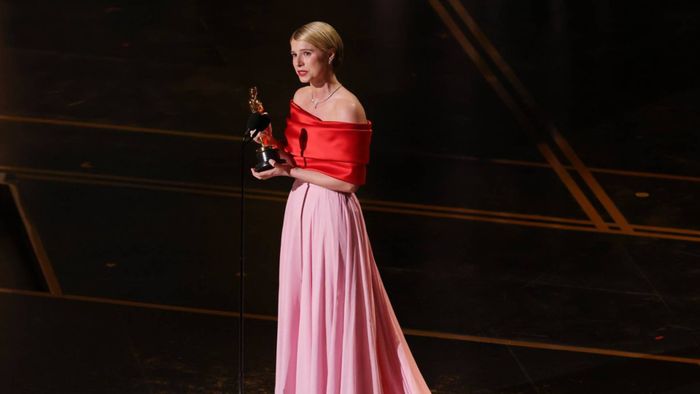
For most of the awards season, Jessie Buckley seemed like the obvious frontrunner for Best Actress thanks to her devastating performance in Hamnet. From the first wave of festival buzz to the final stretch of campaigning, it was the kind of role that critics and audiences kept coming back to. But when the moment actually arrived on Oscar night, the certainty suddenly disappeared.
Part of that tension came from the night itself. Sinners, which had dominated the nominations and was widely expected to sweep several categories, wasn’t quite performing the way many predicted. And once a ceremony starts going slightly off script, every category suddenly feels a lot less predictable.
So when the nominees were read out, and the camera cut across the room, there was a brief moment, a real one, where it felt like the Academy might go with Emma Stone for Bugonia instead.
And when Jessie Buckley’s name was announced, the room seemed to exhale at once.
Because in the end, the Academy did what it should have done all along: reward one of the most extraordinary performances of the year.
The Supporting Categories
Sean Penn winning Best Supporting Actor for One Battle After Another wasn’t particularly surprising. His performance carried the kind of weight and authority the Academy often gravitates toward, and the win fit naturally into the film’s overall success throughout the ceremony. It also reinforced the evening's narrative, with One Battle After Another continuing to collect major awards.
The bigger question mark came in the Best Supporting Actress category.
Amy Madigan’s win for Weapons landed as one of the more puzzling decisions of the evening. Her performance didn't necessarily lack quality, but the category was filled with roles that felt more defining for the year. Most notably, Wunmi Mosaku in Sinners delivered a supporting performance that critics had been praising throughout the entire awards season. Her role carried emotional depth and presence, while Madigan’s performance was just solid.
However, within a category this strong, Madigan's performance never quite felt like the one the year would ultimately be remembered for.
The Biggest Snubs This Year
Best Picture
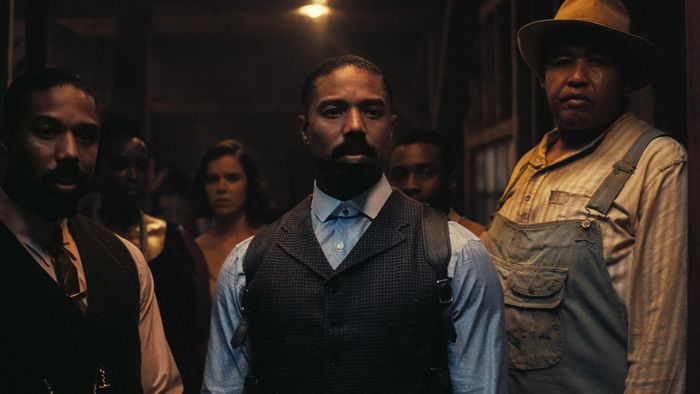
The most obvious snub is Sinners not winning Best Picture. For months, it looked like the film that defined the entire season. It had the nominations, the momentum, and, most importantly, the cultural conversation behind it. While the film still walked away with major wins, most notably Michael B. Jordan’s well-deserved Best Actor, the night ended without Sinners taking the top prize, which felt like the Academy sidestepping the film that had arguably shaped the year.
Best Animated Feature
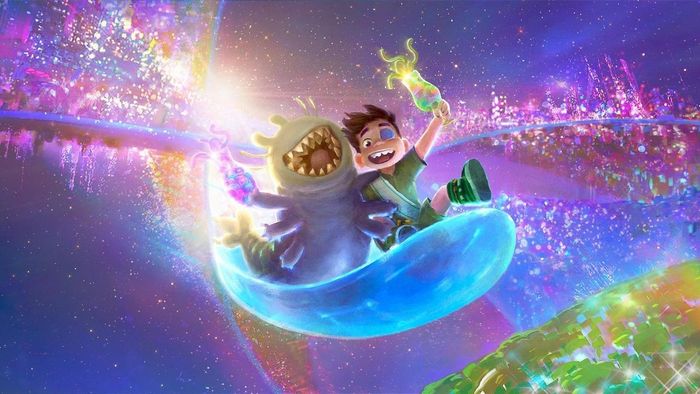
K-Pop Demon Hunters winning Best Animated Feature felt like one of the clearest examples of the Academy choosing popularity over artistry. Animation is supposed to reward creativity and craft, the filmmakers pushing the medium forward. In a year with films like Elio, which showcased exactly that kind of artistic vision, the decision felt baffling.
Best Original Song
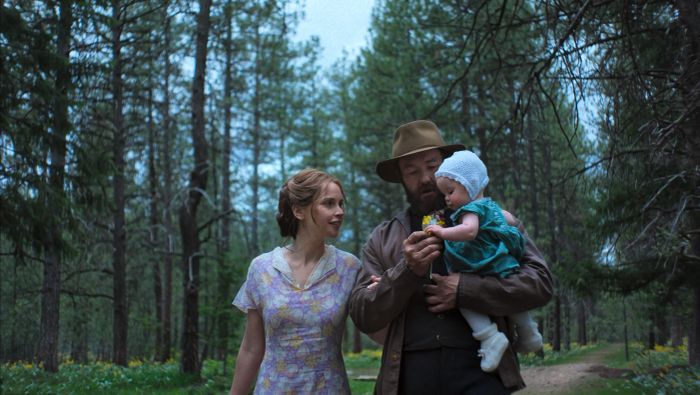
“Golden” from K-Pop Demon Hunters beat out far more interesting contenders, including Nick Cave’s “Train Dreams.” Cave’s work has long been known for its emotional depth and cinematic power, the kind of songwriting that elevates a film as a whole. Watching a song like that lose to something that feels closer to mainstream TikTok pop spectacle raises the same question that seems to come up every year:
Is the Academy rewarding art or simply visibility?
Honorable Mentions
If there was one storyline that quietly followed the ceremony from beginning to end, it was the fallout from Timothée Chalamet’s comments about ballet and opera earlier in the season and the fact that absolutely nobody in the room seemed willing to let it slide.
For context: Chalamet sparked controversy during a campaign interview for Marty Supreme after calling ballet and opera “dying arts” and saying he had no interest in working in them. The comments were widely criticized across the performing arts world, and by the time Oscar night arrived, the situation had already become a full-blown PR headache.
Host Conan O’Brien was the first to poke at it, referencing the controversy in his opening monologue and setting the tone for what would become one of the evening’s recurring subplots. Then, later in the night, the moment came up again in an unexpected place: during the acceptance speech for Best Live Action Short Film.
While thanking collaborators and supporters, one of the filmmakers took a moment to emphasize, he said:
Because we believe that art can change people’s souls. Maybe it takes ten years’ time, but we can change society through art, through creativity, through theatre and ballet… and also cinema.
Did Chalamet's initial comments actually cost him the Oscar for Marty Supreme?
While Academy voting is private and individual votes are never disclosed, it is fairly obvious that the Academy takes the arts very seriously, especially those that built the foundation of the industry itself.
In other words, the Oscars might forgive a lot of things, but insulting the performing arts right before voting closes is probably not the safest campaign strategy.
In Memoriam
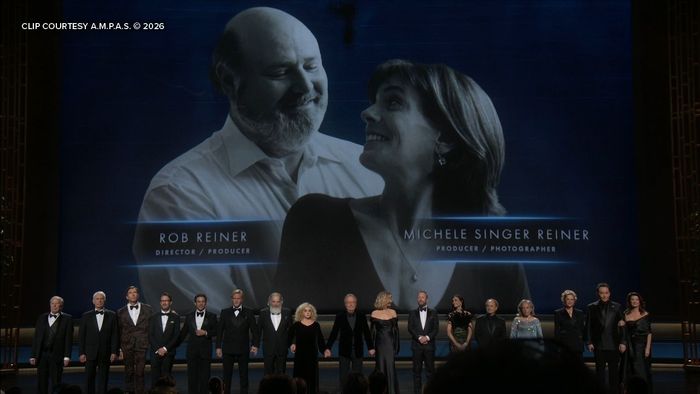
Of course, the In Memoriam segment began with tributes to none other than Hollywood's greatest, Rob Reiner, and his wife, Michele Reiner. Billy Crystal stepped onto the stage to honor his best friend and the man who helped create one of the most beloved romantic comedies ever made. Crystal spoke about Reiner’s incredible instinct for comedy and his almost obsessive care for the music of dialogue, how every line had to feel right, every pause had to land exactly where it should.
Then the stage slowly filled with the people who had been part of those films. Meg Ryan joined him, followed by actors from The Princess Bride, Stand By Me, and This Is Spinal Tap, including Demi Moore and Jerry O’Connell. It all seemed to circle back to the same simple truth: Everybody agreed the nicest man in Hollywood was Rob Reiner. It became impossible not to feel the weight of what Reiner films meant; they were part of people’s lives, movies that shaped entire generations. His loss is immeasurable.
Billy Crystal closed the tribute, his voice softened for the final line with:
Buddy, what fun we had storming the castle.
Final Thoughts
In the end, the 2026 Oscars felt a little less messy than last year. Some wins felt completely right, Michael B. Jordan and Jessie Buckley among them, while other decisions left the room visibly confused. Sinners missing Best Picture, the animated categories, and even the unexpected tie in one of the awards made it a very interesting night.
If anything, this year's ceremony was a reminder that Oscar night rarely plays out as predicted and that the final envelopes can still surprise everyone in the room.
WRITTEN BY

Ilayda
I keep coming back to the same things: music, books, people, and the way certain moments stay longer than they should. Most of what I write starts there and then turns into something I understand a little better.