In Defense of Lily’s Biggest Choice: How I Met Your Mother and the Male Leeway Problem

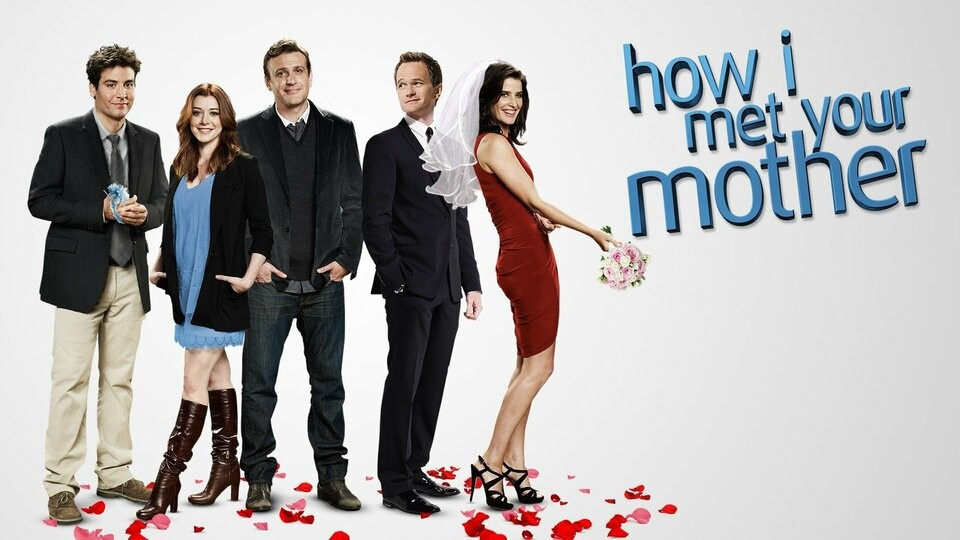
We all have that one show that we keep coming back to. A remnant of the past, something we can’t let go of. Well, for me, that show is How I Met Your Mother. In what very well might be the hundredth rewatch and trying to engage with the show on a more critical level, one might notice the somewhat weird way the show has aged over the years. This can be attributed to multiple factors, such as outdated jokes, several weird character moments, or the mere existence of certain characters. Looking at Barney Stinson in any other way than the sex offender he is gets kind of hard after the millionth time he sleeps with a woman under completely fabricated circumstances. Even the main character, Ted Mosby, is, after just a slightly deeper look, a terrible person. As a love-bombing emotional manipulator, he constantly makes life choices that destroy not only his own peace but also the peace of any woman he comes across.
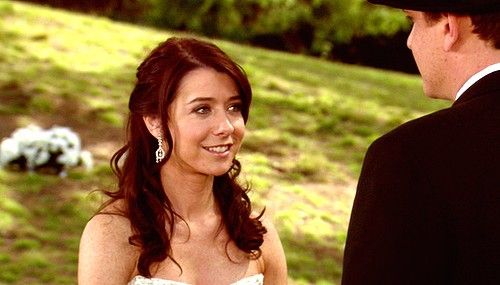
But those criticisms are old news; you can watch any number of YouTube essays regarding these topics. But even then, there is one particular issue that receives a lot of disproportionate attention: the character of Lily. Be it the subreddit, the comments beneath Instagram posts, or any other platform, the supposed disdain for her is very frequently present. Often times described as the worst or most annoying member of the gang, she gets put down constantly in thread after thread.
This, of course, is due to a number of reasons. Within the show, she makes several questionable decisions, ranging from breaking up with her fiancé and fan-favorite Marshall before their wedding, breaking off multiple relationships her friend Ted had, hiding tons of credit card debt from her husband, and just generally being called overbearing and mothering. Yet somehow that doesn’t feel right, does it? How can she be the worst character if she shares the screen with a literal sex offender whose whole schtick is to prey on, lie to, and manipulate vulnerable women, often much younger than him?

This is a phenomenon I like to call the „male leeway problem,“ and it can be seen across vastly different shows, movies, and other forms of media. Most notable is the TV show Breaking Bad, in which the main character, Walter White, goes down the path of a crime lord and meth cook in order to satisfy his ego and power fantasies, all the while constantly endangering his family. But at the end of the day, the person getting the most of the hate is his wife, Skyler White, whose increasingly antagonistic stance towards Walter is regularly demonized by the fanbase. Her cheating is often seen as a bigger transgression by fans than Walter's regular murdering of not only criminals but also innocent civilians.
This, in one part, can be attributed to the natural charisma of some actors in the cast. Sharing the screen with as talented a performer as Neil Patrick Harris, who can make even the worst character seem good and deserving of sympathy. This extends to even someone like Barney, who, in his own words, "is pretty sure that he once sold a woman“ and also cheated on one of the best characters in the show. Being put into a relationship against Marshall, played by the loveable and charming Jason Segel, doesn’t really help either.

On the other side, there is an obvious sexist bias, of course, where men’s behaviors get excused to the point of absolving them of any real consequences, while women have to adhere to any and all social standards while also being faithful and by their man's side. As the male point of view is the standard and the lens through which we watch most shows and movies, it seems reasonable enough to argue that any mistakes on their part are much easier to excuse than if a woman did them.
Regarding Lily, her biggest mistake throughout the show is undoubtedly leaving Marshall at the end of season one, just a few weeks before their wedding. In the context of the show, it’s portrayed as a move out of both fear and desperation, as she leaves New York for San Francisco in order to pursue an art fellowship. This is a decision Lily gets punished for quite extensively in future seasons, mostly in the way other people view her art. Her paintings are repeatedly ridiculed, and the most praise they ever receive is because dogs seem to like them. The only person who truly appreciates her work is Zoe, one of Ted's numerous girlfriends, who herself is portrayed as a kind of lunatic protester against a big corporation, whose attitudes and passions also make her the target of quite thorough mockery.
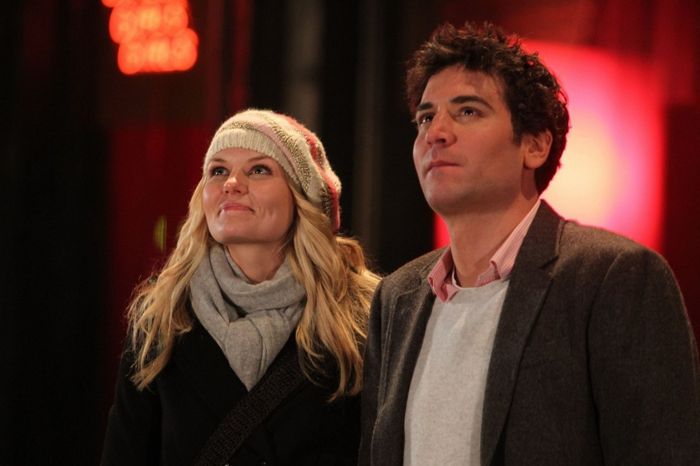
One of Lily's biggest drives is her love for art, and while she gets a foot in the way later in the show, the seasons following her reunion seem to stray somewhat from that part of her personality. This is in stark contrast to three of the other characters, whose pursuit of their dream jobs is a main part of their personality. Ted, Marshall, and Robin all follow professions that they’d consider to be their dream and biggest goal, yet despite some of the setbacks they experience, those are never treated as a child’s fantasy. It is exactly this development that validates all the fears Lily experiences at the end of season one. No matter how the show wants to spin it, with marriage, Lily does lose her ability to pursue her dreams for quite a while. This is even spelled out in a future episode, where she voices the regret of having a child and being with Marshall, because even though she loves them, they prevent her from actually pursuing her dreams. And while this doesn’t excuse the other questionable things she does, it puts into perspective how suffocating it can be.
That is also the reason why Robin, the other female lead, refuses to get married for so long, especially to someone like Ted, because she knows the reality of women putting their dreams in cages once they put that ring on. This is an institution intentionally set up to hold back one half of the population, and if you do it with the wrong person, it can happen very quickly. Now, one might say that Marshall is a nice guy, and while yes, he still has those traditional outlooks on life that come from being raised in a small town. Be it in how to raise the child, how many of them should ever be there, or how to lead the family in general. He is also the one who’s allowed to pursue his ambitions while Lily gets stuck being a kindergarten teacher for the longest time, and if we are to look at the last season of a show, just for a few moments, he is also one to put his dreams before those of his wife. Something that is only put aside because of the revelation that Lily is pregnant with his second child.
The show seemingly refuses to tell this part of Lily's character with the nuance she deserves, and a single good monologue isn't enough to fix it. She is the token wife of the show and could have provided a better look into the inner mechanisms of the pros and cons of making this lifelong vow as a woman. But that doesn’t happen, as the best thing happening to Lily is marrying Marshall, which conforms to a heteronormative patriarchal view the show often likes to assume. And while, yes, she does get a job as an art consultant, that still relegates her to someone who looks at other people's artwork rather than expressing her own. Even Robin settles down in the end, even though one of her defining traits was her vehement opposition to it. And while there can be happiness found within the concept of marriage, the full picture is never that easy. It is also never so easily resolved.
Ultimately, the issue comes down to the lens through which How I Met Your Mother likes to view its characters. This is also the lens the viewer ultimately ends up assuming, as the way the story is told is always important to the reception. Whether the writers were aware of this, the consequences seem to haunt this show to this day. This is not to say that Lily’s character is one exempt from criticism, but that what could have been a more nuanced discussion about one of the biggest plot points of the early seasons is often relegated to merely a mistake made by a crazy woman. This is especially disappointing given that the show prides itself on being earnest in handling its themes, which I’d agree with. In its 9-season run, it handled the balance of both humor and tragedy fairly well and much better than some of its contemporaries. Yet some of the most important issues get left behind, and characters who otherwise deserve at least more sympathy are put into the ground instead.
WRITTEN BY

Lars
Being brought up under deaf parents, as a partially hearing child, I have always struggeled with my search of identity. Inspired by far-distant worlds like middle earth and the tunes of Lord Huron, my goal is not only to tell great stories, but also to understand other people and their tales.