Lincolnshire Library Network Protected Amid National Closures

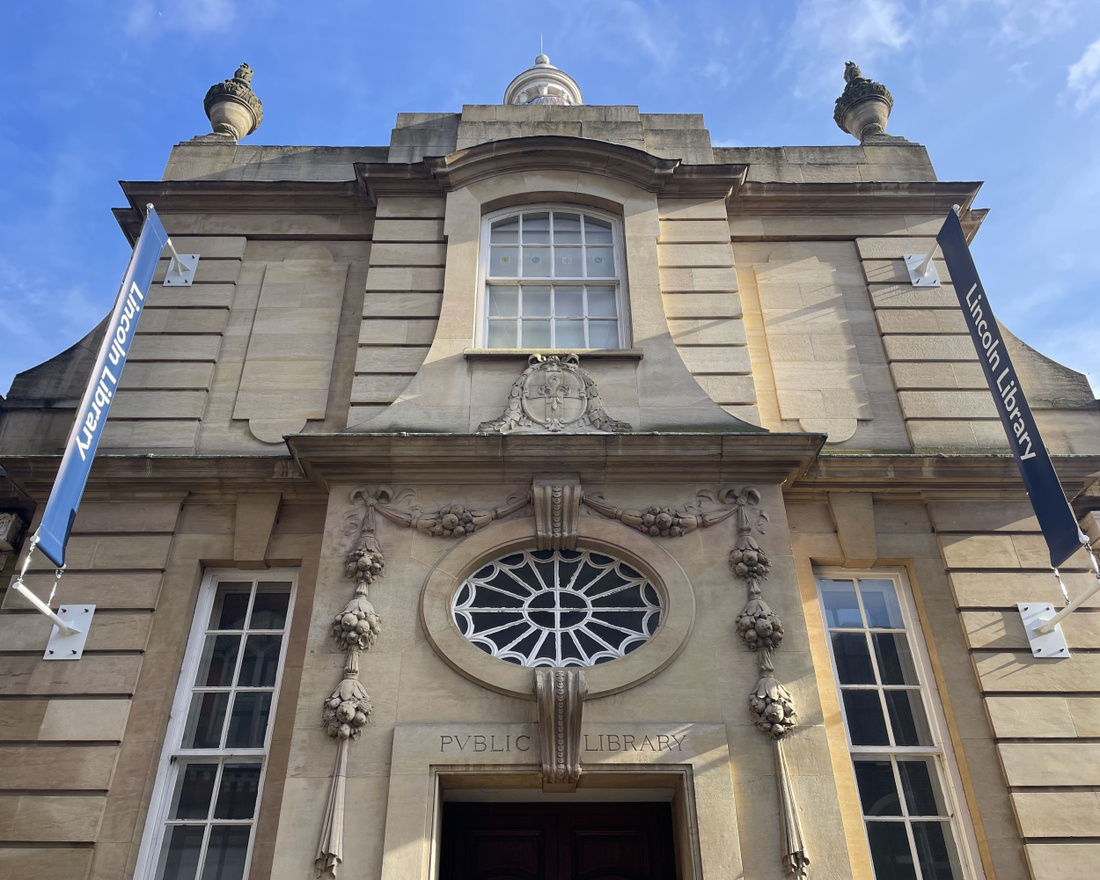
Lincolnshire County Council has secured the future of its library network after extending its partnership with charitable social enterprise Greenwich Leisure Ltd (GLL) until 2031.
The five-year extension follows a year of record engagement across the county’s library services. Residents made more than one million visits and borrowed 2.3 million items over 2025 alone, according to council data. The authority said 98% of users rated the service as “good” or “excellent”.
Councillor Natalie Oliver, executive councillor for culture at LCC, describes the agreement as a major milestone, calling Lincolnshire’s libraries “the beating heart of our communities.”
I’m looking forward to seeing our libraries’ hugely popular activity programme continue to grow, with events that use the power of stories to bring what children are learning in school to life.
Beyond lending books, the service is increasingly measured by its wider impact on public health and the local economy. Between April 2024 and March 2025, Lincolnshire’s libraries generated an estimated £25 million in “social value", reflecting support for well-being, community engagement and relief on public services.
Library-run social groups aimed at older residents, for example, play a critical role in reducing social isolation, which public health bodies have linked to poorer general health and increased use of GP appointments.
During the cost-of-living crisis, several branches have also hosted a ‘Warm Spaces’ scheme, offering advice on energy prices and clothing swaps to help families manage rising costs.
"It’s more than just a place for books now," says Margaret*, a regular user of Lincoln Central Library.
I come here to find and swap my children’s outgrown clothes and be part of the community.
The success of the Lincoln library network can be linked to its management under GLL, which operates under the "Better" brand.
Structured as a staff-owned co-operative with no external shareholders, the organisation reinvests surpluses back into services rather than distributing profits to investors.
In Lincolnshire, this has supported the expansion of digital resources and training for volunteer-led community hubs.
Louise Woolley, Library Manager at Lincoln Central Library, says, “Being operated by GLL gives us the stability to keep delivering an outstanding service.”
Woolley adds that this structure allows the library to “thrive as a vital community space.”
It offers free access to books and a wide range of digital services including Ancestry, Find My Past, Press Reader and Freegal music streaming service — all available with a library card.
Lincoln Central Library is open six days a week, from morning through to late afternoon on weekdays and during the day on Saturdays, ensuring there is regular access for families and older residents.
Lincolnshire is not alone in using an alternative delivery model to operate local libraries. GLL also manages services in several London boroughs, including Wandsworth, Bromley and Greenwich.
In Wandsworth, where GLL has overseen libraries since 2013, services now include “Start Up Wandsworth”, a business support initiative offering workshops and entrepreneurial resources through local library hubs.
The success in Lincolnshire and London shows that GLL’s three-way partnership between the local council, the staff-owned co-op, and the community is highly effective. By moving away from a traditional top-down council structure, these libraries are eligible for grants aimed specifically at community-led or not-for-profit initiatives that can be harder to secure within traditional local authority structures.
The renewed agreement in Lincolnshire comes as many councils reduce library hours and staff numbers to meet significant budget constraints.
Across the UK, more than 180 council-run libraries have closed or been handed over to volunteers since 2016.
Although library services have reduced nationally, the most deprived areas have borne the brunt of this loss, facing four times the number of closures compared to affluent areas, according to the BBC Shared Data Unit.
Many councils have resorted to reducing services or relying on volunteer-only operations to keep doors open, losing thousands of paid roles in the process.
Despite the challenges facing the sector, the Government has said it remains committed to supporting libraries. Libraries Minister Baroness Twycross said:
This Government recognises the vital role our libraries play and we are committed to ensuring libraries thrive for future generations to come.
As local authorities continue to face funding pressures, Lincolnshire’s approach is an important example of how library services can evolve.
For many communities, libraries remain essential community resources where people continue to learn new skills and find support.
*Names have been changed in some cases to protect identity.
REVIEW BY

Nicole
I love writing about music venues where artists first started out and the rich histories behind them. London is full of iconic spots that musicians performed at earlier in their careers, which have inspired cover bands and lots of new artists hoping to follow in their footsteps.