"The Sky Is the Limit" – Disco Shrine on Becoming Her Truest Self
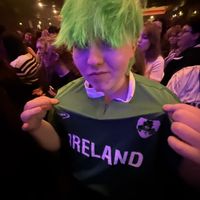
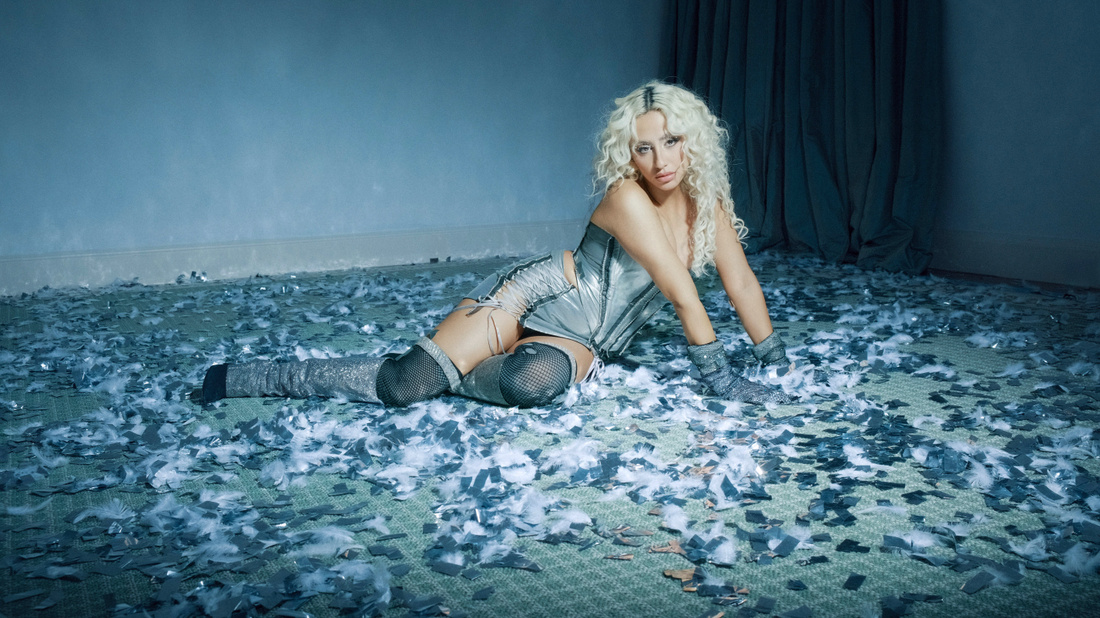
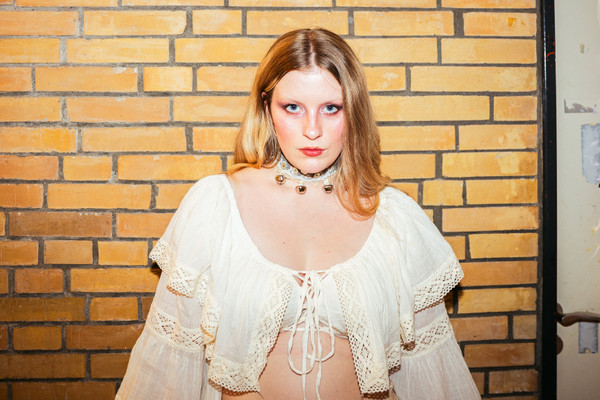
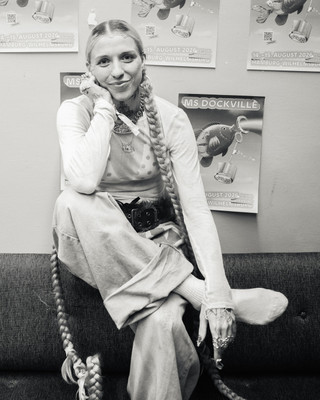
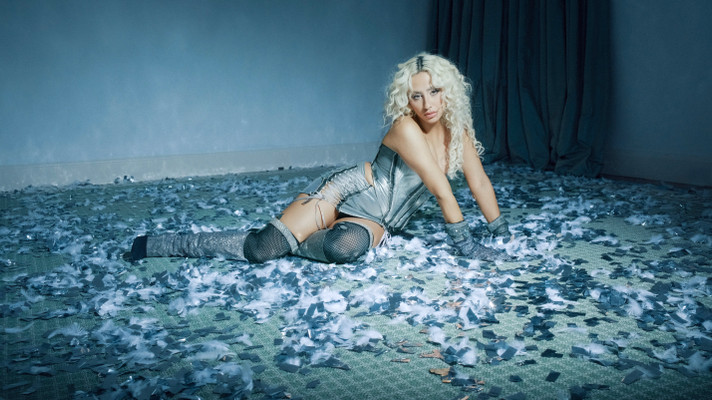
Disco Shrine is having a big year. The LA-based pop artist, DJ and producer has kicked off a new era with a string of releases in 2026, including "Boom Boom" and "Only You", while continuing to bring her high-energy DJ sets to audiences across the US. Known for creating a world of bold alter egos, Disco Shrine has built a space where music, humour, performance and community collide.
In an interview with THE UNSEEN, Disco Shrine talks about her journey as an artist and a DJ, her songwriting process and her efforts to create inclusive spaces for her audience.
2026 has been an amazing year for you so far; you’ve released four singles. Are there any hints as to what fans can expect from you next? Like an album or a tour announcement?
Disco: Yeah, definitely. I think all of this is definitely leading up to something. I have been contemplating, you know, I’ve never released an album before, so I do take it very dearly. I’m just trying to trust the process, the creative process and not pressure it, see what comes out of it, but I’ve been really creative; I think it's the most creative I’ve ever felt, and the most creatively fulfilled. And so, I’m really excited to kind of show everyone what there is; there’s definitely a project on the way.
For those who haven’t listened to your work before, in what way would you explain the intention and influence that goes behind your choices with your music?
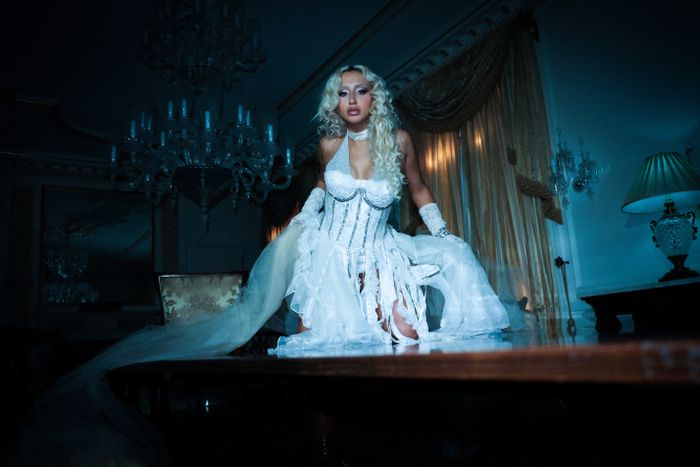
Disco: That is so hard because, you know, it's so hard to explain music, let alone my own music, too. Yeah, I'm so deep in it, but I think something I'm trying to be really intentional about is making carefree music that people can really enjoy and find uplifting. I don't even know, girl, but I think that the world is so serious right now. I like to kind of dress my music in a very playful tone because I think the world can use a little bit more whimsy, playfulness and unseriousness, but at the same time, I have deeper meanings kind of hidden within them. So I would say that I make emotional camp music; it’s not EDM, it’s ECM.
How do you curate your live shows to create an inclusive space for your audience?
Disco: Yeah, I think that honestly, I sort of take the lead from places that I’ve always felt included and safe. I think that it’s always been various clubs, usually queer clubs, I’ll be honest. I think that’s sort of what I grew up going to; I mean, not grew up going to, but definitely, in college, I was definitely like, oh my god, I don't belong in any of these places. Like, why are weird guys trying to talk to me? It never felt right. And then once I started meeting the right people that's where I felt l could be more expressive. Then I started going out in those environments, I was like, oh my gosh, I feel like I can be myself, I don't have to impress anybody I can just be free and not judged, I think that’s also the sort of the journey that started this whole, music thing for me anyways. So if I can do that for anybody else and create that environment, that’s what I want to do.
Community is the most important thing, especially in live shows.
Disco: I think so, too, and music is such a communal art form, like you need people, and I think with that you have got to find your people. Music is very subjective, I think, and I’m just glad that I feel like I’ve been able to kind of attract the people I want to attract, but also I’m inclusive of all the fans.
Do you have a pre-show ritual that is mandatory before each concert?
Disco: Well, you know, the good little pop star in me wants to say vocal warm-ups, but unfortunately that’s not always true. Honestly, this is pretty bad of me, and I’ve outgrown it a little bit, but I still have it on my rider. Starting a few years ago, I have a shot of Fireball on my rider.
Will: The necessities.
Disco: Absolutely, it’s just so easy, and you don't need a chaser for it; it just sort of calms the nerves. But as I’ve gotten older and more responsible now, I don’t do that as much, but it’s still on my rider as a backup just in case, you know. But I also love beta blockers, [laughing] this is horrible. Let me think of a better answer. I’m like, alcohol, drugs, what else? Honestly, I just think alcohol, drugs, and I also do, like, a little bit of a huddle with the dancers and everyone involved, like, let’s do a hype huddle, and then honestly, I don't know. I don’t have good advice on this; I just freak out a little bit mentally, then I just go on stage, and the adrenaline hits, and I black out, then I’m off stage.
Will: That’s the best way; just black out and it’s over.
Disco: I think so, too, but I have been trying to be really present. Like, I just did San Diego Pride in July, and I noticed halfway through the set I was like, wait, Disco, look at this crowd, this is such a big crowd; they’re all dancing, and they're all so hype, just take in this moment. Then, in the second half of my set, I think I was like, okay, this is actually insane. The stage I played on was on a hill, so I could see people walking and stopping and coming closer; the crowd just got bigger. There were also aeroplanes every five minutes that crossed right above us, so I was literally like, what is happening right now? How am I singing a song about me being called Disco Daddy, and the crowd is singing and dancing with a giant plane flying above my head. So I think that I have been trying to be a lot more present in shows and take it all in.
In what way does your experience as a DJ shape your songwriting? Is there a perpetual question of 'would I play this during a set' when crafting your songs?
Disco: A hundred per cent, for sure, but I think it’s changing a little bit. I will say that’s the sort of way that this era even started: I released my last EP Xoxo, Disco, and then my DJing really took off; I started DJing a ton, touring different counties. I think I sort of see DJing as, like, a performance boot camp because the crowd is gonna love you or hate you, and they’re going to let you know right away.
You really have to win the crowd over; it really teaches you about crowd play, crowd pleasing and crowd control and how to let people feel like they can let loose. A lot of people are embarrassed; there are so many phones everywhere, and people don't really know how to act at shows or how to be at clubs or parties. It takes a minute; they have their own courage that they have to create and muster up. And so I think that DJing really sort of informed me of the type of music I want to make. I realised that my old music wasn't music I could put in a set because it wasn’t doing what I wanted it to do for people, you know? And so that’s when I started making all of this new music, and "Disco Daddy" was sort of the beginning of it.
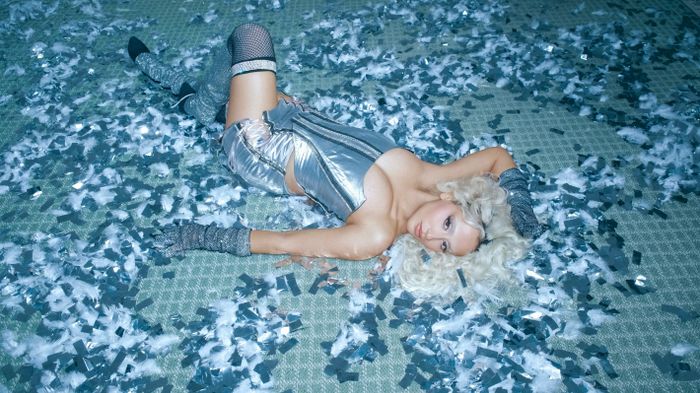
All of this new sort of fun dance crazy persona is actually just always been me, just like a closeted version of me that I never felt comfortable enough to sort of let out. Now I feel so free to sort of do all that. I think now with my music I’m even more playful because I think if Disco Daddy came out and people were like, we hate this version of you, I’d be like, ouch, but that version is me. But since people have been so supportive, I’m like, wait, I can even be a crazier version of myself; I can have weird little bits in my set, I can do random phone calls where I’m like, "Hello, I’m in the middle of a show right now, I can’t talk, bye."
I feel like right now, for me, the reason I said earlier is that I’m feeling so creatively fulfilled. I really do feel like the sky is the limit in so many ways, and I definitely go in with this sense of, like, what can I do that’ll make this show so unique for everyone? If it’ll make everyone in the crowd have so much fun and feel like they got to experience something so special. Anyway, I could talk forever, but that’s what I thought.
It must feel amazing as a music artist to become the truest version of yourself you can be.
Disco: I think so too, and it’s always going to be evolving. But I think right now the DJ, performer and the artist are colliding and creating something new. I don’t know what it is, but it’s sort of the journey that I’m letting it take me on.
Who is an artist you’d love to collaborate with? Is there anyone that might surprise your fans?
Disco: Some of my favourite artists that I’m really connected to are really popular right now. I toured with Nina Jurashi not that long ago; she was so inspiring to me. I think she’s so creative, cool, and a badass.
I think I really look up to a lot of female pop stars. Even in my DJ sets, I noticed I’m not really playing a lot of male singers. Except for maybe Troye Sivan. Madonna was who I grew up listening to and was sort of my, like, first introduction into popstarism or pop stardom, and that really inspired me.
I really like how it’s evolving; I definitely gravitate towards weirder artists. I don’t feel like a polished pop girlie; like, I don’t think I’m built to be a dancer, but that doesn't stop me from doing it on stage. I just think about how I grew up, my family, you know, I grew up being raised by a single mom, so I was taught to work really hard. Nothing comes easy. I think that I feel that way with music. If I don’t get it, that’s okay; I’m just gonna work extra hard to make sure that I can put on the best show and do the best dance moves, even if it's awkward. This whole thing has been a growth for me.
I look up to artists who I feel like have transformed so much, like Charli XCX. I know she’s so popular right now. I’ve been such a Charli fan for so long, and just seeing her try so many different ends of being a pop star and, trying the dancing, trying the gritty, trying the experimental, I am getting to where it feels like it’s so her and genuine. I feel like I can relate a lot to that right now.
I’ve done the R&B pop with my last Disco Shrine, which originally started as a band; that’s the lore, I did the band thing, you know. Before Disco Shrine, I would play folk music and do shows with a guitar; I feel like I’ve done this trajectory of all the different types of genres. And I’m finally getting to a place that feels really genuine. And even though I’m not the perfect singer, the perfect dancer, or the perfect artist, I feel like I would love to represent the people that can make it and not be perfect. I think imperfections are interesting in some ways, and that imperfect artists, like Charli or, like, a little gritty, those are the artists I really look up to.
What is your favourite era, or decade, of pop music? Is there one that inspires the work that you have produced?
Disco: Yeah, I mean, everyone tells me the early 2000s, so I’m just gonna say that. Yeah, I think it’s the early 2000s. I don’t think it’s extremely intentional. I’m not out there being like, I’m gonna make a song exactly like this, but I think that’s just the decade; it was the pop culture that I grew up in. I also think it comes out unintentionally. But I will also contradict myself and say that definitely some artists make the inspo board; like Madonna, who comes up again and again. There are definitely some 90s and 2000s artists where I’m like, that’s sick. I want to have a feeling like that; it feels so subconscious that I don’t even feel like I am intentionally trying to be a Y2K artist. I feel like I’m just taking things that I love and turning them into art.
Your music is inspired by femininity, fashion, and your background with LA’s rave culture and club scene. Have you encountered any accidental or unexpected inspirations that have been integrated into your music?
Disco: To get really specific, fashion is very inspirational to me. I grew up as a theatre kid, actually, which I don't really wear that badge of honour because I feel like I was kicked out by the theatre kids. I also didn't feel like I belonged with them either. So that was a low-key traumatising time for me, but the art form of theatre I really love. I think theatre is fashion, music and performance; those are all the things that I love to do. I think fashion and performance really inform a lot. Like, even at San Diego Pride, I played a new song I made called “Drop It Low,” and the only reason why I made that song was that I really wanted to have a little army bit for my live performance. I thought it would be so cute to have dancers in, little army uniforms and then be like, "Yes, Sir." I got to make that happen at San Diego Pride with that song. I think the crowd, fashion and creating a little performance moment sort of inspires me, but then also, specifically, a lot of movies have been really inspiring. Like, I just watched The Fifth Element, with Bruce Willis. Have you guys seen that?
Will: I haven’t seen that yet.
Disco: Okay, you need to go watch that ASAP. It's the most camp movie I've ever seen, and I went into a whole deep, deep dive behind this. My partner and I watched it together and literally nerded out so hard we bought, like, a special edition book about the making of the film. Apparently, Jean-Paul Gaultier made all of the costumes for the film and worked on it for years, having over 200 designs for the film. It's just such a weird alien movie, but it's so camp. I swear to you, when I was watching that, I paused it every two minutes to be, I need an outfit like that; what if I wrote a song about this or something? I was in my notes app every two seconds; I feel like that has been really inspiring. I just watched Josie and the Pussycats, too, and I was like, oh, camp, I need to write a song where, secretly underneath, muted, I have subliminal messages.
Will: You’ve definitely got everything locked down on it.
Disco: Yeah, but the subliminal messages, it won't be like how Josie and Pussycats was; it was like, you will buy yellow clothes because yellow is the new pink. Mine will be like, you're gonna have a lovely life. Everything is gonna be okay, don't fret, and also buy Disco Shrine merch. And anyway, I just feel like for this whole thing, music is supposed to be fun, and I'm just trying to have fun with it and not be so serious.
Your parents immigrated from Iran to the US, and you’ve built a career in a vastly different cultural landscape. How has that dual perspective shaped the way you approach your art and the stories you choose to tell?
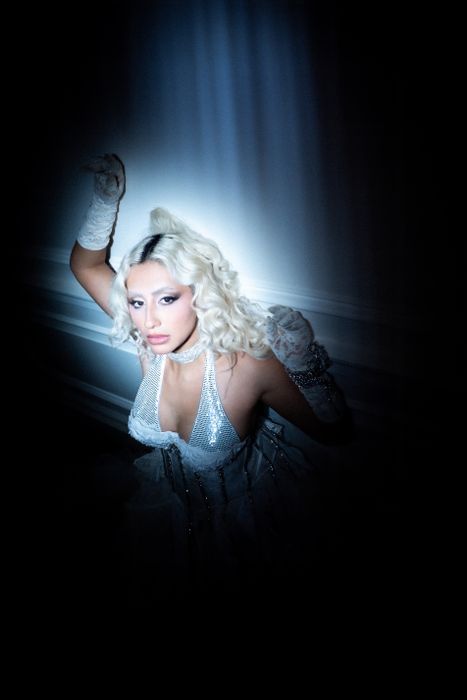
Disco: Yeah, I think that I have been met with a lot of resistance to making art because in general Persian culture [it is discouraged], which is crazy, because if you look at the history of it, it's very rich in arts, but I think Persian immigrant culture in America is very much, we move to America, you got to be a doctor, a lawyer, a business owner, something very, like, you gotta make money. You gotta work hard, and you got to make money and do it for your family, and so I think when I expressed my interest in art, I was met with a lot of resistance. A lot of, like, not being taken very seriously; it hasn't been an easy journey.
I think in a lot of ways that's sort of informed my journey, so I wouldn't change a thing. I mean, I do feel very misunderstood in some ways, but I think that's why I've really, like, gravitated towards this community that I've surrounded myself with and built a sort of a safeguard of my art.
Art matters, I will say; now it's been a minute since I've been doing this music thing. So now I think my family's like, okay, she's a lost hope. Like, we'll support her music, because she's not gonna be a lawyer now. I do think there's a sense of resilience with my music. It doesn't feel easy. I feel like I have to fight for it and fight about it, if that makes sense. Like, with everything I do, there's a sense that it's do-or-die. I could give up at any moment, and it's really hard to be an artist, and it's not the immigrant way. It's not the first-generation way to just be an artist, so I feel so relentless about it. I'm like, I have to be nervous, I have to make this work, I have to work even harder to prove that I can do this because nobody wants me to.
There’s often a sense of confidence and vulnerability coexisting in your music; how do you balance those two sides of yourself when you’re writing and recording?
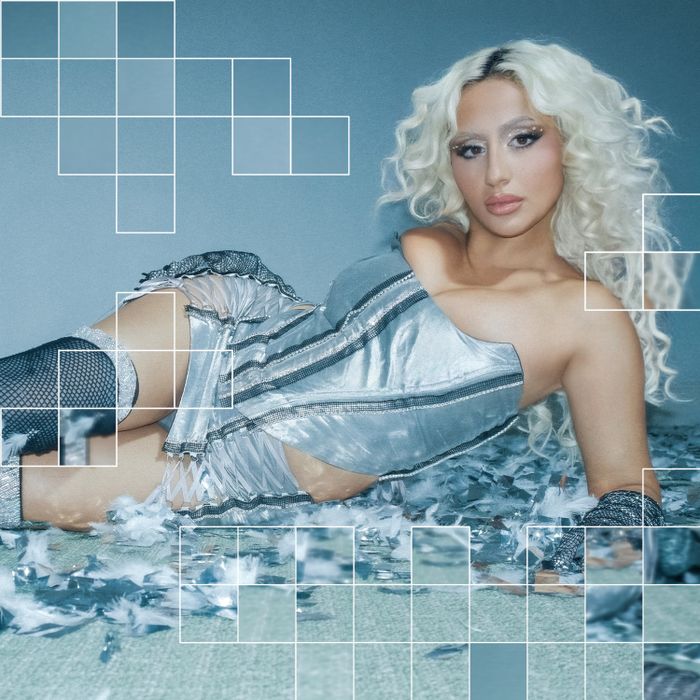
Disco: I think the confidence is that side that we just talked about, which is that grit, and it's almost my protection. It's my way of powering through. It comes out of my music in a fun, silly way, like, “Spray Tan”. Let’s just get a spray tan and be confident in your skin; I think, in a way, it's sort of therapy for me. As I make these songs, it's my way of telling myself to be confident in your own skin, like, you can be silly, you can be weird, and it's okay. I think the vulnerability actually is a lot harder for me, and it just comes out because I'm just a very emotional person underneath, but it's not an easy chord that I can tap into as easily; it’s a muscle I’m trying to exercise more.
I just recently released “Only You”; I think that’s one of my most vulnerable songs, where it’s not dressed in funny or sillyness. And for me, I was super scared to release it because it felt so vulnerable. It felt like showing a different side of myself. I think I’m slowly trying to show more of that side, and I will say it doesn’t come very naturally to me. Because I think Disco Daddy is my confidence, but I’m also learning that sometimes I can be Disco Baby in “Only You”. I'm Disco Baby.
What part of creating a song excites you the most, and what part challenges you the most? How do you find yourself overcoming those challenges?
Disco: The thing that excites me the most, I think, is the world-building. I really do love coming up with fun, creative concepts and thinking about where we can take this song and how we can build a world around it. And then what I think challenges me the most is being vulnerable in my music; I think it’s being vulnerable and experimenting with different sounds, too.
Representation can mean different things to different people; have there ever been moments where your heritage or background has connected you with fans in a way that has felt meaningful or unexpected?
Disco: Yeah, I’m not going to lie, when I released “Up In The Air”, that song was all about the first-generation immigrant experience. When I released that song, I feel like I had a lot of people who reached out to me that could relate to it and who just spoke to me about their experience. The cool thing about music is that you realise that you’re not alone. Once messages resonate, you realise that you’re not alone in that experience; it was kind of cool to see. Like, okay, this thing has really formed my life and my journey as a person. So many people who are also fully experiencing the same pressures of wanting to be an artist, but also wanting to make your parents proud, wanting them to make sacrifices for you and in this sense of guilt having to pay it back. And so I think that the Persian immigrant representation is one really big thing that I think really changed and helped move me.
If you could describe the next chapter of your music career in three words, what would they be, and why?
Disco: The next chapter of my music career in three words, ooh! Euphoric, bold, and maybe emotional?
Will: The big three.
Disco: I think so, yeah, absolutely.
How did you decide to incorporate your alter-egos into your music career? What creative process do you go through when creating them?
Disco: I think they come to me, like, I don’t really think that I sit down too much and say I’m gonna make this person. They just fully present themselves. And then I capture them like little Pokémon. "Disco Daddy", for me, you know, it’s such a fun, silly and unserious song, but in a lot of ways it’s really meaningful to me because I feel like it helped me enter this new chapter with a form of confidence.
That’s so silly to say, but Daddy to me is so, like, I’m in charge here. Let’s go screw it; if people don't fuck with me, I’m still Daddy. And I vibe with myself, so Disco Daddy really came to me in that way and then sort of the same thing with Persian Barbie.
Persian Barbie was when I went through a bad breakup, and I bleached my hair blonde, as people do when they go through bad breakups. Suddenly, I just felt so open and free and finally my insides reflected my outsides. I feel like that was sort of the beginning of, like, okay, I am growing into myself and becoming more confident, and then it’s only gotten weirder and weirder. So, who knows what’s going to come next. Like, honestly, I saw a shirt today that said "Jess Cavalli circus" and I was like, ooh, maybe circus is the next move. I just think it’s gonna get weird and weirder, so that’s probably what people can expect, and that’s the way it should be.
We have an artist recommendation playlist where we gather song recommendations from the artists we interview. Would you like to add some?
Disco: “Only You” by Disco Shrine. No, actually, do you want something a little bit more current and edgy or, like, just a go-to song?
Will: It can be your music or other artists, whatever feels right.
Disco: Okay, so basically my entire discography, I’m just kidding, but honestly when you ask that the first song that came to me was "Kiss Me" by Sixpence None The Richer, which maybe is contradictory to our entire conversation today because I think that’s a 90’s song anyways, but I think that that song is, like, so me. It’s just the feeling that it gives off is I think, of who I am as a person in a lot of ways: emotional and sweet but playful and not too serious.
Thank you again for the opportunity. It’s been an absolute pleasure.
Disco: I’ve had so much fun, thank you! I’m happy we got to talk; you guys are awesome.
INTERVIEW BY
Will
I've always loved writing, but music and pop culture gave me something to write about. I've been fascinated by the cultrual impact of music for years and I love bringing those topics to light.
PHOTOGRAPHS BY