The Grandeur of Our Emotions: Paris Paloma on "The Fatal Flaw"

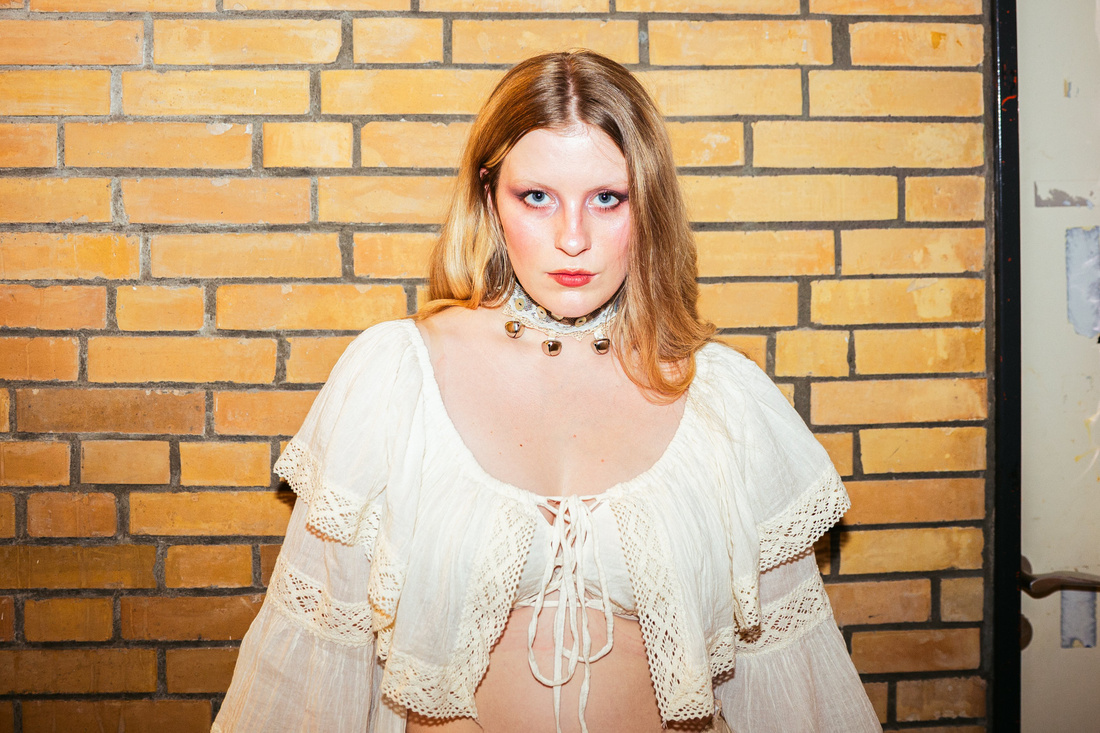
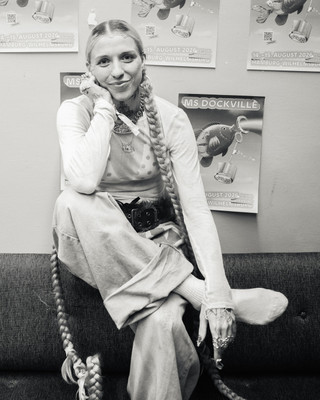
Right before the release of her second album The Fatal Flaw, set for September 4th, 2026, Paris Paloma met up with THE UNSEEN Magazine for an exclusive interview ahead of her main stage set at this year’s MS DOCKVILLE festival in Hamburg, Germany, where she included some songs from her newest album, such as “Good Girl”, “Miyazaki” or “Good Boy”.
Following the global success of her platinum-certified hit "Labour", which has established her as one of the most distinctive voices of her generation, Paris now enters a new chapter with an album exploring love, loss, and becoming.
HERE'S THE FULL INTERVIEW:
Paris, thank you so much for taking the time to speak with us today. “Labour “is one of your most empowering songs. What does it make you feel like whenever you see people screaming along to the lyrics to this specific song? And what does the song mean to you?
Paris Paloma: I feel very grateful for the fans, and I feel like I've been given a gift in that song, in being able to connect with people that way who needed it. I feel very indebted to the women and girls who that song resonates with, because it was all of them together that made that moment happen around that song.
Your second album, The Fatal Flaw, is coming out very soon on the 4th of September. Was there anything different behind the album-making process compared to your first album? Did you create new habits, approaches, or even creative rules for yourself?
Paris Paloma: I knew that I wanted this album to be a lot more cohesive than the first album, and I wanted it to be its own world that you felt immersed in, whereas I felt the concept of the first album was slightly looser because it was a debut. I was much stricter about what served the album and its themes. There were songs that were written that I had to be honest with myself about whether they didn't serve the album, and then they didn't make it onto the album.
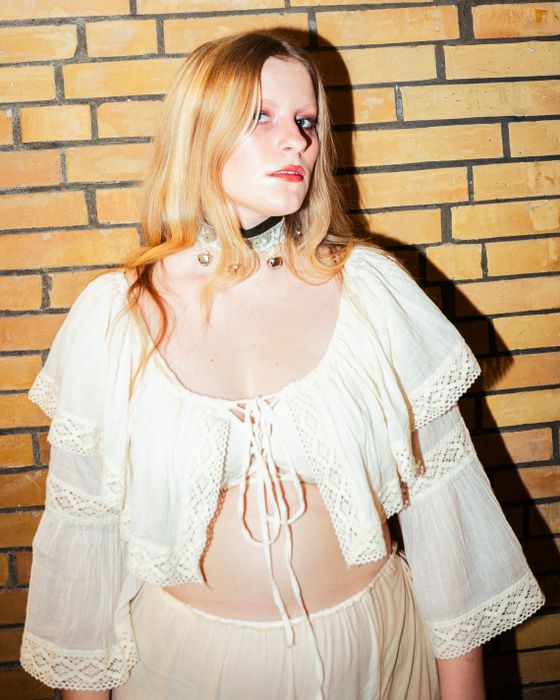
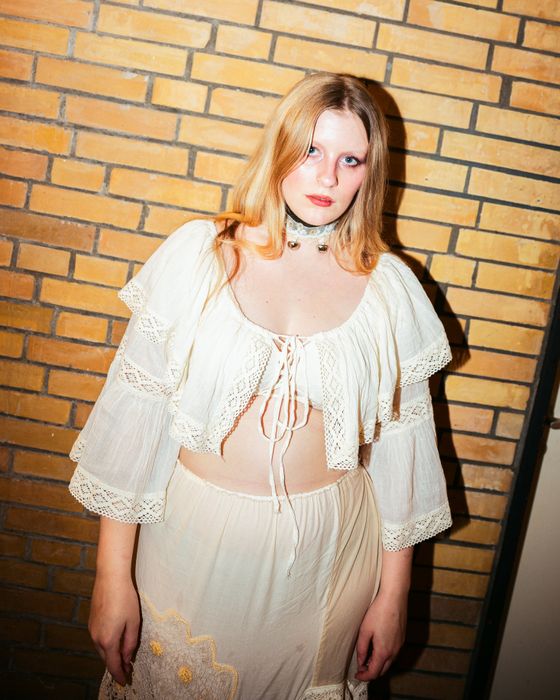
Recently, you have been pretty vocal about AI, especially in your song “Miyazaki,” named after the legendary Studio Ghibli co-founder Hayao Miyazaki. Can you elaborate on why this is so important to you?
Paris Paloma: I think the first thing that comes to mind is the environmental impact of AI, which is obviously why it is such a threat to the world and life as we know it, and all the things that I hold dear and important, I think we all should hold dear and important. I find it strange when people frame it as though it's a special interest that I have, because this is something that threatens every aspect of the way that our world is built: It threatens the economy, it threatens the environment, it threatens the human emotional right to make art, and it threatens media literacy. It threatens to affect every aspect required for a working world.
So I don't really view it as a special interest. I don't have a PhD in it, and there are many people more qualified to talk about it than I am, who are saying the same thing in a much more educated way. But I am an artist, and so I make art about it, because it really, really worries me, so it would be all of those things that I would implore everybody to have an interest in, because whilst AI obviously is a tool, it's like Hannah Fry says, it's like a forklift, but then I don't ascribe human qualities to a forklift, do you know what I mean? And we can use it, but it desperately requires legislation around it.
So, for artists who would love to start in music right now, and with the problems that exist in the music industry at the moment, maybe because of AI and other things, what would you recommend to them? What tips would you give them with the knowledge you have right now?
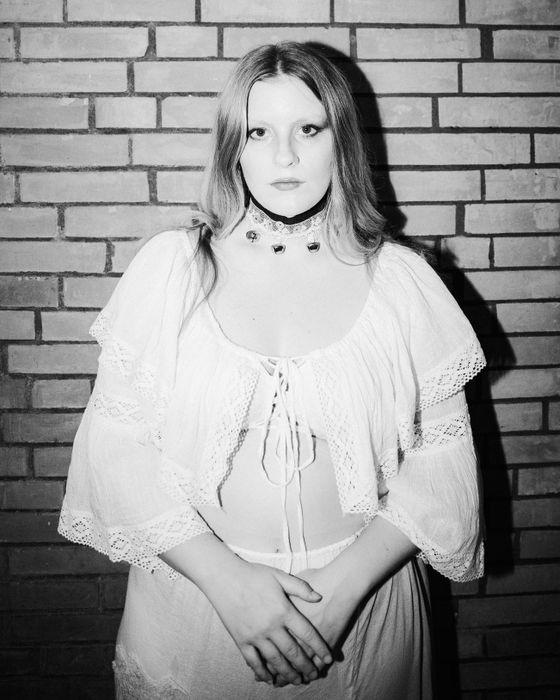
Paris Paloma: I would say to remain steadfast in your views. It's breaking news that Spotify has started prescribing an AI badge to AI accounts and AI-made music, which previously was not the case. It has now stopped algorithmically pushing AI-generated music, stopped putting it on algorithmic playlists, and stopped pushing it to listeners.
And that is the product of so many artists being so vocal about this thing, and there are people who would say it's inevitable, which I find really funny, because that's just blatantly a marketing scheme. Obviously, you're trying to manifest it into being inevitable. And it's not, because this proves that. This proves that there can be a separation between human-made art and art and music produced by AI, and that people can consume art and music with knowledge of what is AI and what isn't. And the responsibility goes to platforms like Spotify and AI companies. I would say that happened because of artists who are up-and-comers and those with a massive platform, everyone just being immensely vocal about their values.
One of the photographers and I both noticed how much the visual world around your music has evolved since your first album. Seeing you live felt like stepping into another world. When you create music, do you already have that visual world in mind, or does it develop alongside the music?
Paris Paloma: Music just comes from a feeling. I can't speak for other people's motivations for making music, but for me, it really does come from this urgent need to make something in you feel heard, or for you to hear and understand something in yourself that you've not put words to. And music does that.
My background in fine art and art history means that visual culture and the visual elements of what I do are really important to me, because they're such a natural tool for building a world. I didn't set out to change what the visuals looked like in my career, but this album has a really strong visual identity, so I suppose it's not a change; it's just this album being different from the first.
During the show, I saw a lot of people walking around with 7-inch vinyls from Record Store Day, which have “Good Girl” on side A and “Good Boy” on side B. I always thought these songs were two sides of the same coin. How did the two songs come to life?
Paris Paloma: The songs are tied together because they are both songs about the ways in which I feel the genders of men and women are both victims of patriarchy, and also how I feel that those two genders become the foot soldiers of patriarchy in that way, or they would perpetuate patriarchy even if it ended tomorrow. I think one of the most widespread and insidious ways- and that doesn't mean that it's their fault at all; it just means the ways are so ingrained that we would just continue those behaviours unless we closely examine and extricate ourselves from them. And one of the most widespread and sinister ways that I think women do that is with the issue of body image, right? And it is like sand; it fills all the crevices of your mind when you're not doing anything else as a woman, and it takes up so much time and so much energy.
And we police other women over it, and we compare ourselves, and then how we treat ourselves is overheard by our friends, and it becomes this massive circle of ways that women are starving and emaciating and committing violence against their own bodies, which is just a massive time waster. And it fulfills so many of the wishes of the patriarchy. And on the flip side, one of the ways that I believe men become perpetrators of their own violence is through this culture of toxic masculinity and the hero worship of male figures, like billionaires or male figures in the manosphere, and men who very much would like to perpetuate this system of domination and give these false promises to young men. And those are gender roles. Those are sort of like the most distilled elements of those gender roles that are instructed by patriarchy. And so that's what those two songs are about, really.
Speaking of your album again: Do you think that a specific song on that record acts like the emotional anchor of the album, almost like the heart?
Paris Paloma: I think it's funny. There are different hearts for different reasons. It's all one heart, and it has different valves, I guess.
The song “Rothko” is so important to the album because it establishes many of its strongest themes. And that's not a coincidence. It's because I wrote “Rothko” first, finished it first, and knew it would be near the start of the album. “Stem the Flow” is another that embodies many of the album's strongest emotional themes. But later songs like “Pyrrhus,” “Beautiful Birds,” and “Good Boy” all carry this theme of what it is to be a woman, examining masculinity, being fascinated by it, and the tragedy of masculinity because you are a woman who loves men. In the search for love, feminist women have to be so aware so that patriarchy doesn't colour and poison their relationships.
It's not long until your album comes out. Could you give us a little hint, something that the fans will only get after they listen to the album?
Paris Paloma: Let me think. There's already been quite a lot of singles, so I'm not sure what people won't get from the album. I hope there's a sort of meteoric rise in the number of flowers being bought for girlfriends, and that's something that people will get after the album comes out.
When listeners finish the final flow for the first time, what feeling or thought do you hope stays with them?
Paris Paloma: I hope they feel the grandeur of their emotions and just how expansive their feelings are, rather than reducing them to something small.
Andy: Beautiful. Paris, thank you so much for taking the time today.
Paris Paloma: Thank you so much.
The Fatal Flaw by Paris Paloma is out on September 4, 2026. Make sure to check it out:
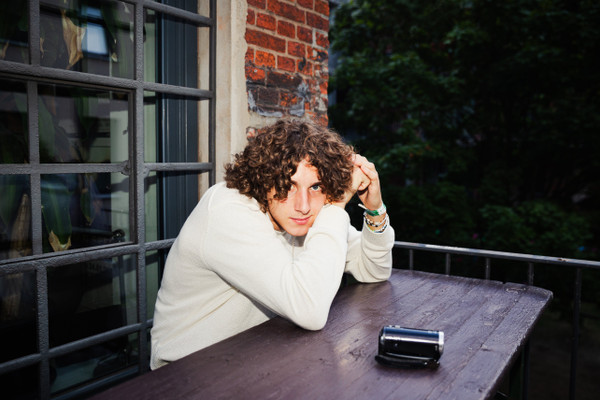
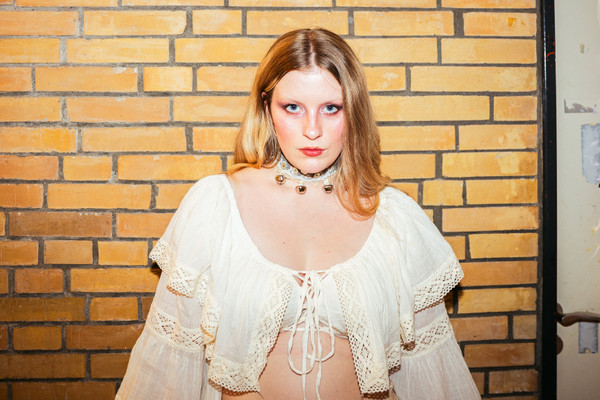
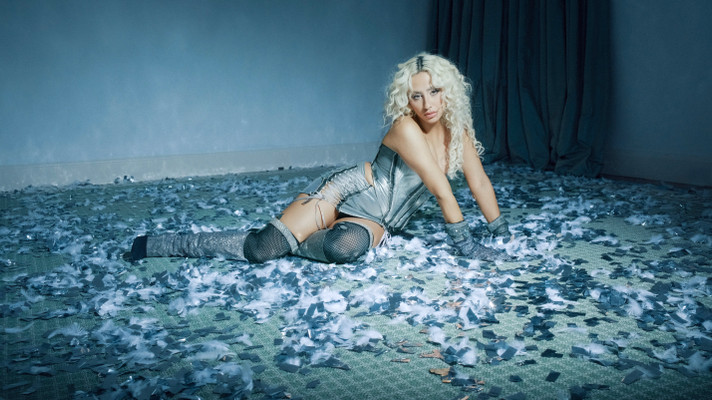
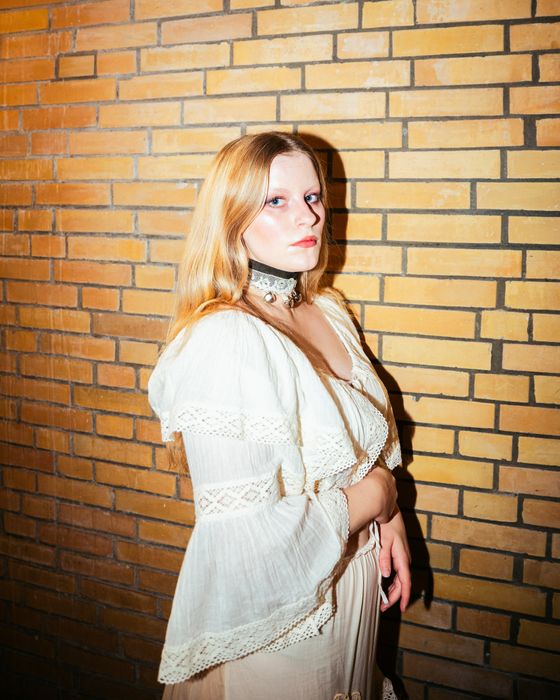
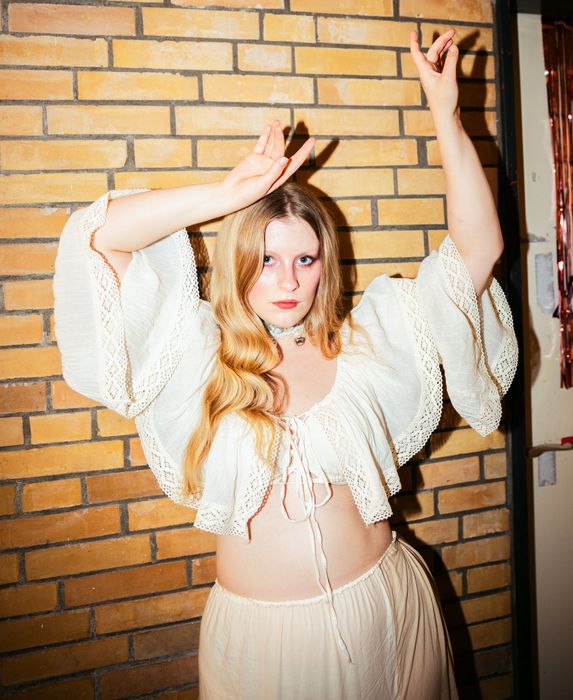
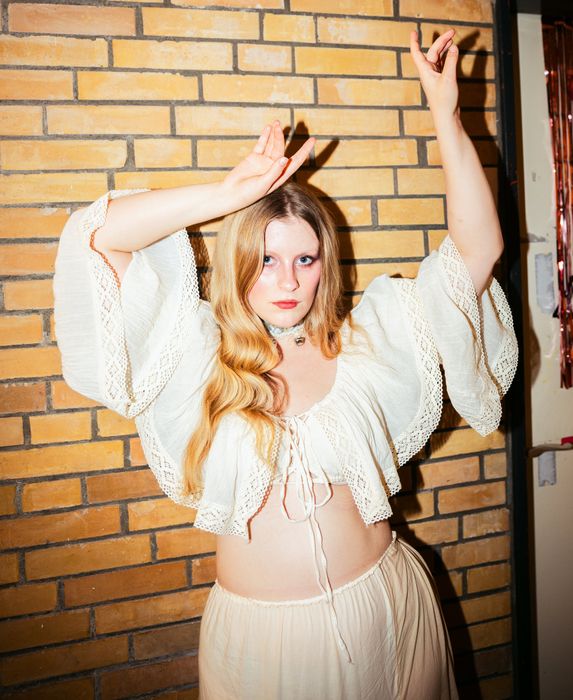
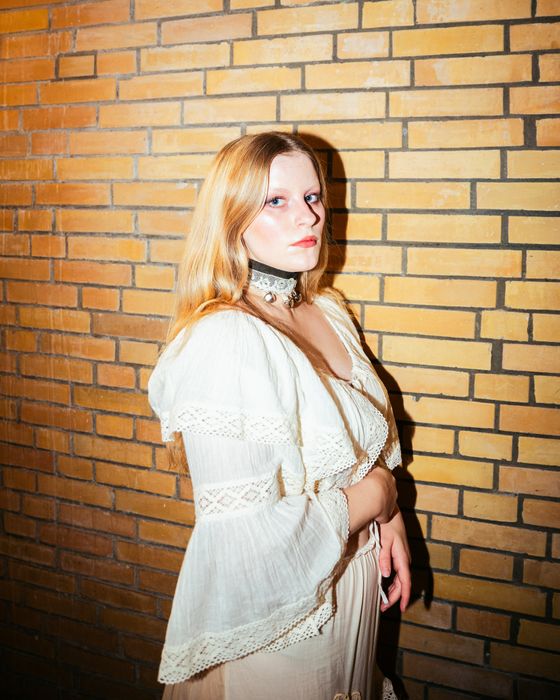
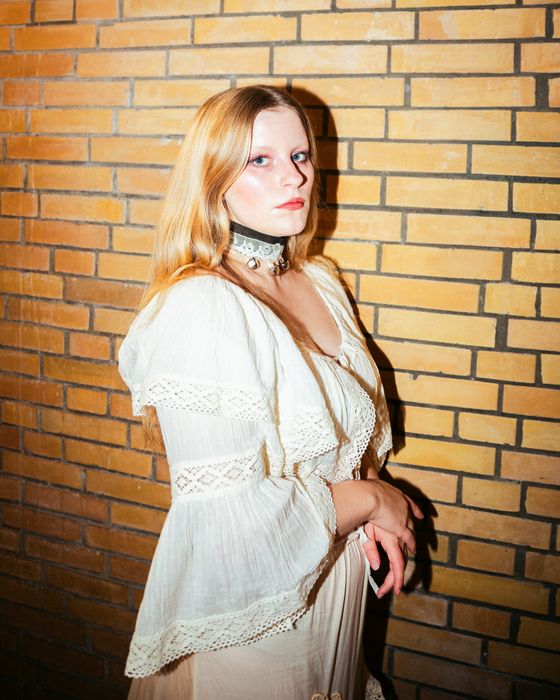
WANT TO SEE MORE OF PARIS? HERE ARE ALL THE PICTURES:
INTERVIEW BY

Andy
(Live) music is one of my biggest passions, which is why I enjoy exploring pop culture in my writings. From analyzing albums to reviewing concerts. I'm especially interested in fandom culture, which often comes through in my work.
PHOTOS BY
Nora
Throughout 2022 and the beginning of 2023 I started to photograph with my phone at shows I went to, in April of 2023 I got to photograph with my camera at a show for the first time and have been doing it since. I love that it´s possible to combine (live) music and photography!
Excited to see what the future will bring!