"I'm Proud of How It’s Gone": An Interview with SYML

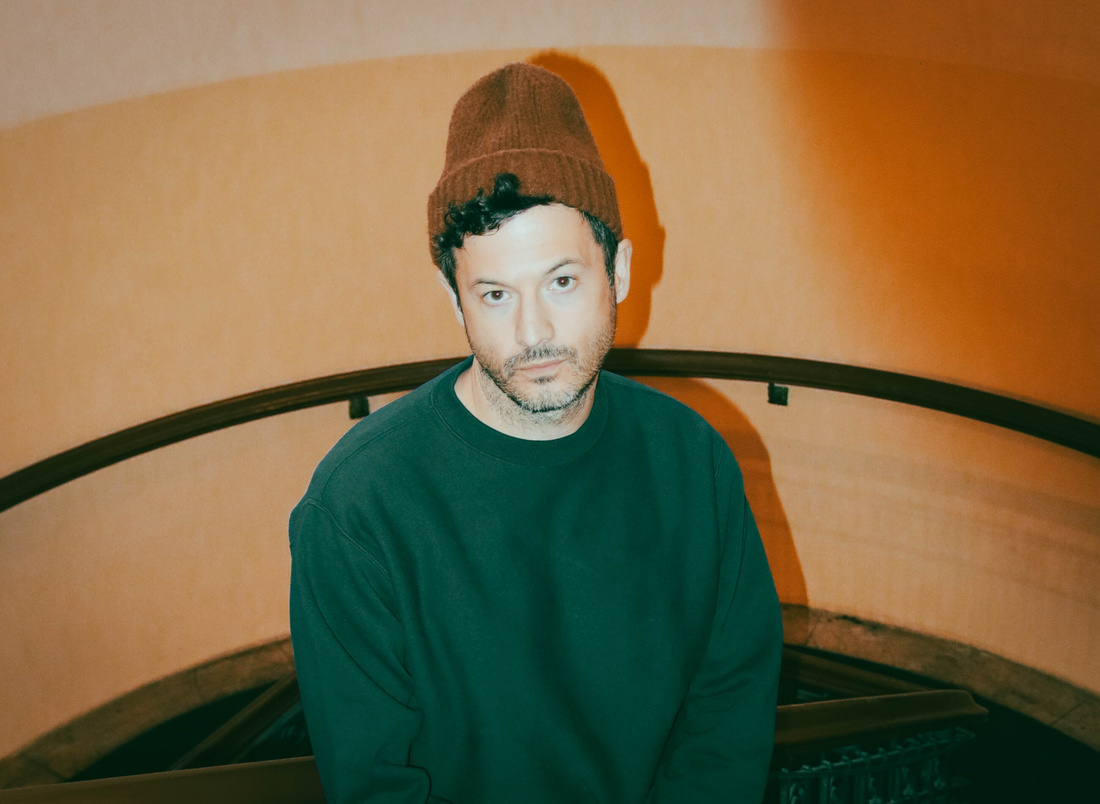
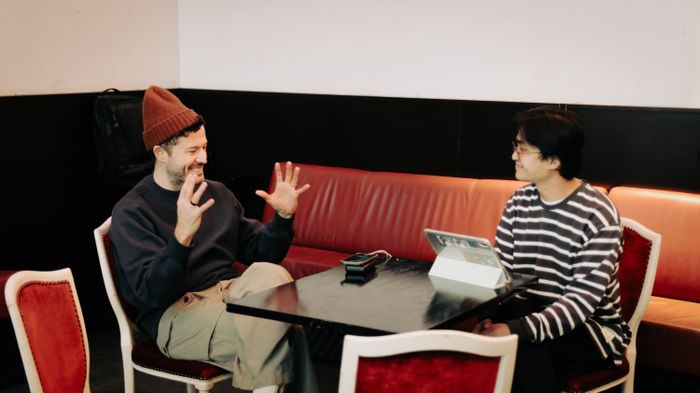
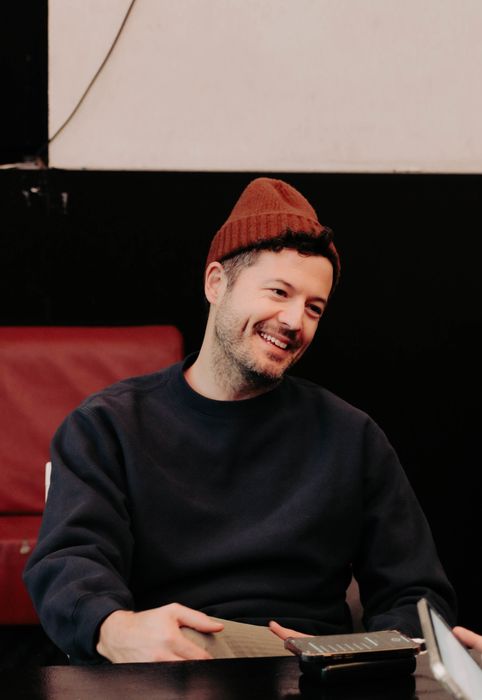
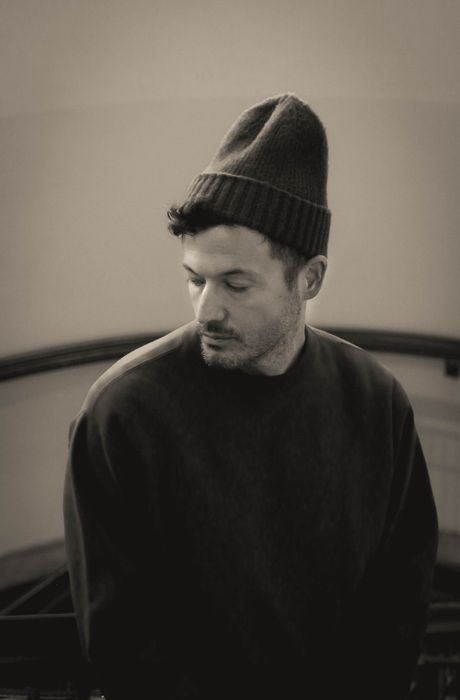
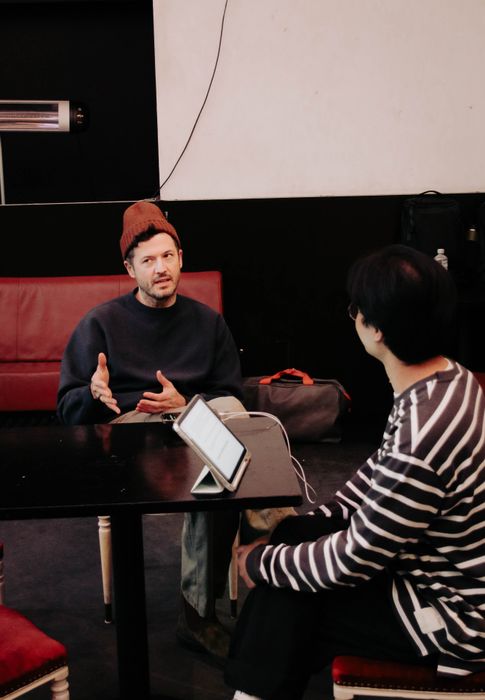
For the last two years, the tour bus has been his home. Right before the conclusion of his "Nobody Lives Here" Tour on February 6, 2026, SYML met with The Unseen Magazine in Berlin to discuss the process of creating music, dream collaborations, and career-defining moments.
For the last European dates, SYML picked Ber (short for Berit) to open the evening, who delivered a beautiful performance, including songs from her upcoming debut album Good, Like It Should Be, set to be released April 3rd, 2026.
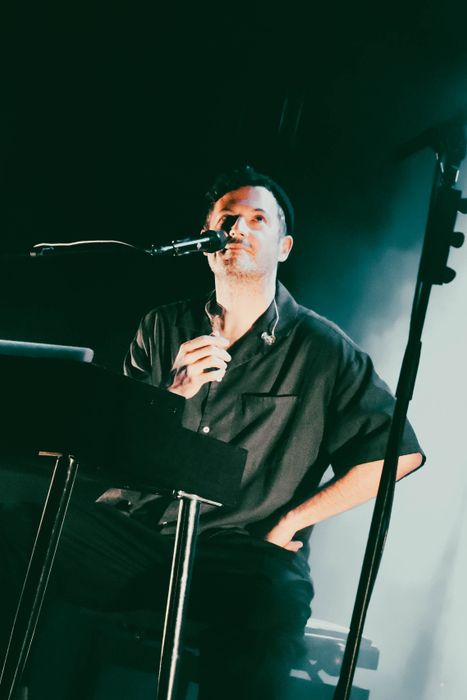
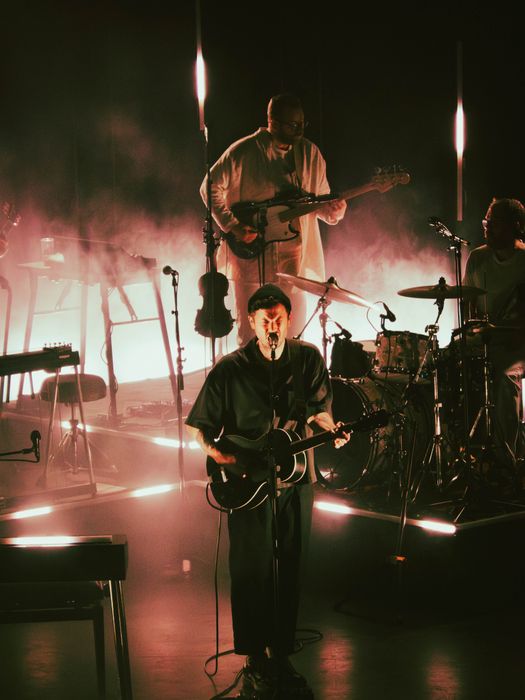
With "Carry No Thing", which was famously used in the hit series Maxton Hall, SYML took the audience into a different world for the upcoming one and a half hours. Accompanied by a band as support, which his childhood friend, also named Brian, is a part of. During the show, SYML explained that his friend was the reason why he ended up making music. Undeniably, one of the highlights of the show was Brian's violin solo, also known as the "US/Canada Border control piece", which followed a quick storytime about how his bandmate was forced by border agents to play the violin during a border control check.
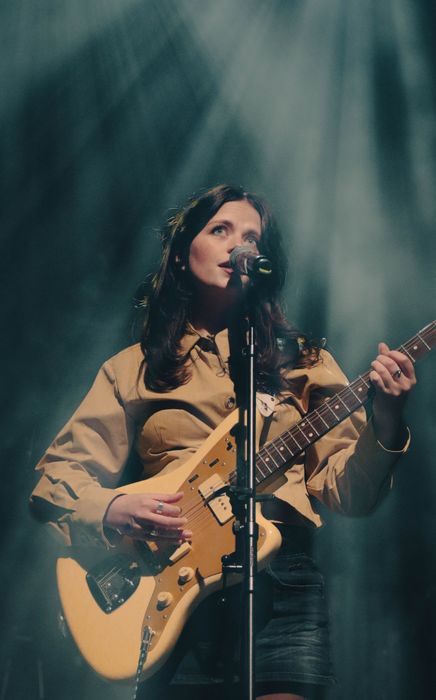
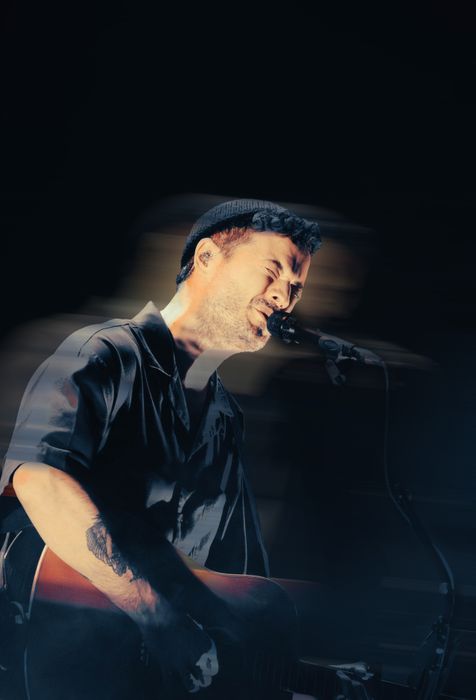
We were not the only ones given the opportunity for a small interview that night. Twice during the show, Brian included intersections where the crowd could shout questions, which he excitedly answered. However, the audience seemed a bit shy, as few questions were asked. This was different in our conversation with Brian!
HERE'S THE FULL INTERVIEW:
Andy: I'm here today with Brian Fennell, aka SYML, which is Welsh and stands for simple. Do you feel like SYML is just a stage name, or maybe even a persona you step into when you do music?
SYML: I don't think I have a persona really, but it is like a mindset of approaching things with simplicity and trying to create simplicity. And it's like a big challenge. So that's why I chose the name, to sort of remind myself continuously, whether it's art or life in general, that simplicity is best.
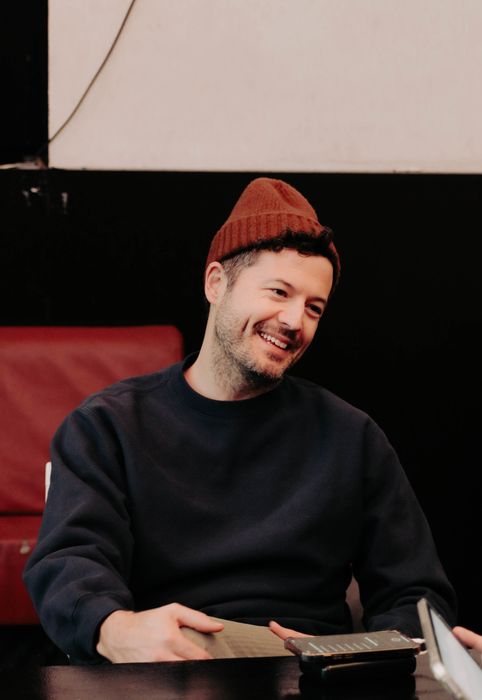
Andy: You've been on tour for quite some time now. You started last year in Europe and then you've been home to Seattle, to New York, to Canada, and now you're back in Europe. So it has been quite a journey. What is something that is a total necessity whenever you're on the road that keeps you sane?
SYML: Usually, if it's not really fucking cold out, I like to run and I like to explore the cities that I'm in. And running is a great way to see a city. So, trying to stay healthy and also eating specific foods of the area or the culture that we're in is a great way to sort of remind myself that I get to see the world, and that's really unusual, to not take it for granted. But it's also really normal to just stay on the bus, at the venue, or in a hotel and rest. And talk to your family at home.
Andy: Is it something that is on your rider? To have food from the country you're in? And is it something else that's crazy that's on your rider that you want to tell us about?
SYML: Usually, it's just beer from the place where we are. That's another good way to learn about a place: by drinking their alcohol. Or chocolate from the place where we are is another thing we have. But nothing too crazy.
Andy: You released your third studio album, titled Nobody Lives Here, last year. Was there a specific moment or experience that really sparked that album? Or did it evolve slowly and naturally over time?
SYML: So I'm not the type of artist that writes hundreds of songs and then picks 10.
The order in which I wrote these songs was pretty much back-to-back-to-back. Sometimes I can be a bit ADD with writing and I'll try to make something that's like a dance song or like a classical piano song and then come back to singer-songwriter folk classic, which is where I like to live. This one just happened all at the same time and then it was pretty much done.
I knew that it was cohesive as it was happening. So it didn't take very long. And the recording stretched out over some months. I did it at home, which was nice.
Andy: And what usually comes first to you when creating a song? Is it a melody? Is it a feeling? Or do you usually start with lyrics?
SYML: It's simultaneous after there is a spark. So either it's like a melodic spark or a lyrical idea. But then it pretty much happens together after that spark.
It could be something that I read or something that I heard. Often, I'll be in bed in the middle of the night, just singing an idea into my phone, then take it to the studio to see if it's any good. Sometimes it isn't. So I think the longer I do it, the more of an exercise it is to always be open to hearing and feeling inspiration, so you don't close yourself off to the possibility of a beautiful song.
Andy: I feel like your songs are extremely personal. In 2023, you released an album titled The Day My Father Died. However, do you sometimes write songs you know you will never release? Songs you write for your own sake and to explore your feelings and to really deal with them?
SYML: Yes, it used to be more that I created without intending to release them.
And now I feel like…I have a fan base that's very trusting. So I feel safe, to be honest with myself and the listener, I don't need to hide what I'm feeling. I can explore some of the darkest things, whether it's loss or fears that I have, because everybody can relate.
Andy: Was there any song on the newest record that you didn't want to release, but that ended up on the record anyway?
SYML: Yeah, there was a song called “Something Beautiful and Bright”. I wrote it for a friend of mine and I thought he would sing it. When he heard it, he was like, “This is not my song, this is your song”. And that's another trusting thing: Where you trust yourself enough or trust somebody else to listen to something and tell you what they think.
Andy: We were just talking about another artist, who was your top artist last year? What was on your Wrapped?
SYML: My kids share my Spotify, so they mess it up with their stuff...Tate McRae is probably my number one artist because of that. But for me, it was maybe Fred again or James Blake.
Andy: One of your songs from 2021 was “I Wanted to Leave”. It was later sampled by Lana Del Rey on her song “Paris, Texas”, and she is probably a dream feature for a lot of people. Are there any artists you would like to work with one day? Who are your dream features?
SYML: Yeah, I'm not good at picking those because, like, on my last album, and like the Lana collaboration, I sort of trust the universe to put these things together. I think Lana is a good example; we make music very similarly and approach the creative process similarly. And so I do think that whatever magic exists in the world can draw those collaborations together. I'm also a very big Elbow fan. I love that band. And Guy, the singer from Elbow, sang on my album. I could never have dreamed it possible.
So now I just understand that crazy things can happen. And there are, of course, artists I would love to collaborate with, but I let the universe make it happen.

Andy: Your music often sounds very cinematic, and almost like it was meant to live alongside images. Do you sometimes write songs with a visual in your mind where you're like, “Oh, I can imagine this being in a movie,” or does it come naturally after you write the song?
SYML: All the time. Whenever I write music, I think of images. I'm a very visual writer. That's how I enjoy music as well. It's a bit of my own soundtrack for my life. For artists I like, I sort of put them into scenes from my own life. That's also how I like to create.
It's like a bit of a soundtrack approach. And I think part of the simplicity is that you need to allow people space to be able to put themselves into the scene that you're sort of building. And it just also naturally works out that it can fit in film and movies that way.
Andy: Does it change the way you look at your work after it was used in a movie? Because your music has been used in films and series like Teen Wolf, SKAM, Shadowhunters, Chemical Hearts, and Maxton Hall.
SYML: Not really. It feels kind of like being a little kid when you get to see your music in a movie, and you're like, “Holy shit, that's amazing”. But it doesn't change how I live with the song. That being said, some of these songs are now almost 10 years old, which is crazy because it doesn't feel like that long. And the song to me then is different from the song to me now. 10 years is naturally going to make you feel different about a song, not because of Teen Wolf or Maxton Hall.
Andy: A song that was used in Maxton Hall is “Where's My Love.” Whenever I listen to that song, I'm instantly transported back to a specific memory of saying goodbye. So I wanted to ask you if you have a similar song in your life where you are like, “Whenever I listen to this song, I'm instantly reliving a specific memory”.
SYML: Gosh. Yes. So I'm a big Jeff Buckley fan and there's a song called “Lilac Wine”, which is a Nina Simone song as well. I found that at a very important time in my life of growing up and feeling what it means to be alone and kind of just sit with yourself and how that's a very difficult thing sometimes. So whenever I hear that song, it's like, even though I might be happy, it puts me back in a very kind of sad, cathartic state, which I like.
Andy: I did a deep dive and I found a Reddit post of yours a few years back. You mentioned that you threw a party at your apartment after your first band, presumably Barcelona, had a song on a hit MTV show. You said that it was the moment in your career when you felt like you finally made it. It has been a few years since you said that, and “Where's My Love”, for example, is very close to reaching one billion streams on Spotify, which will make you join the Billion Streams Club. Would you say that your initial “I made it” moment has changed, or has it stayed the same?
SYML: There are many little things along the way. The hard part with that is by the time you've gotten some award or milestone, it's already in the past.
I think, like anybody would say, not trying to repeat what “Where's My Love” has done—I think that's impossible. On the one hand, it's great to pause, put your head up, and be like: “Holy shit! This is really special.” But at the same time, I think the people I work with and I like to have more of a heads-down sort of approach to working. And I think the bigger point there is being able to make a living from music. Being able to support my family and be a part of a community is probably the most important “I've made it” realization than anything professional.
Andy: Looking back, what advice would you give to the version of yourself that just started SYML?
SYML: I think I would encourage myself to say “No” to more things and opportunities that were presented that maybe felt uncomfortable at the time. But again, it's all in the past. I don't think I made any wrong decisions. I'm proud of how it's gone. And I'm proud of the ways that it's been challenging for my family and me. It's kind of a good exercise to say, “Well, what I tell my younger self,” but I think, more importantly, I would tell them not to keep worrying about what people think.
Andy: Thank you so much, Brian. We're almost at the end. At THE UNSEEN Magazine, we have created a playlist with artists' recommendations. And it can be anything you want, whether it is one of your own songs, something that you listen to a lot recently: What would you like to add to the playlist?
SYML: There's an artist I've been really enjoying. Her name is Abby Holliday, and the song I'd like to add is “Earth-Eating Tree”.
Andy: Thank you so much, Brian. It was very nice talking to you.
SYML: Yeah, you too. Thank you so much.
CHECK OUT SYML'S ALBUM "NOBODY LIVES HERE":
INTERVIEW BY

Andy
(Live) music is one of my biggest passions, which is why I enjoy exploring pop culture in my writings. From analyzing albums to reviewing concerts. I'm especially interested in fandom culture, which often comes through in my work.
PHOTOS BY