Gen Z Indicates Recession


A new buzzword has been stapled onto the pop culture canon of today: recession indicator. Most serious economists speak of complex and hard-to-digest numbers like Volatility Index and unemployment rates when discussing the literal definition of recession indicators, but the word thrown around on X (formerly known as ‘Twitter’) and TikTok reflects the cultural signs of global recession. When you come across posts calling out or displaying what users classify as “recession indicators” on a multitude of social media platforms, you’ll realize how far and wide this term’s significance has been stretched. Mostly, this term seems to have offered itself up as a tool for cultural criticism. For the sake of cohesion, 2 categories can be carved out for tracing where Gen Z seems to pinpoint the highest amount of recession indicators.
Music
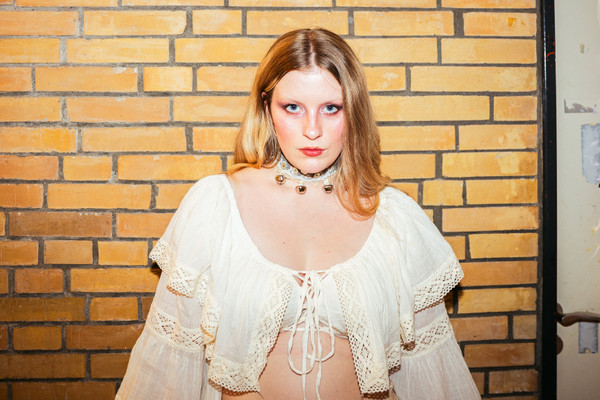
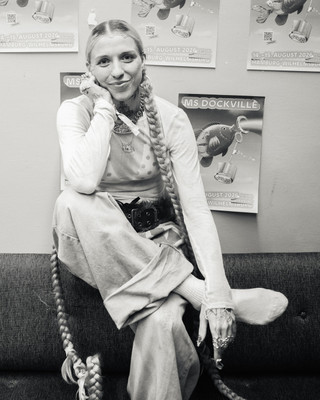
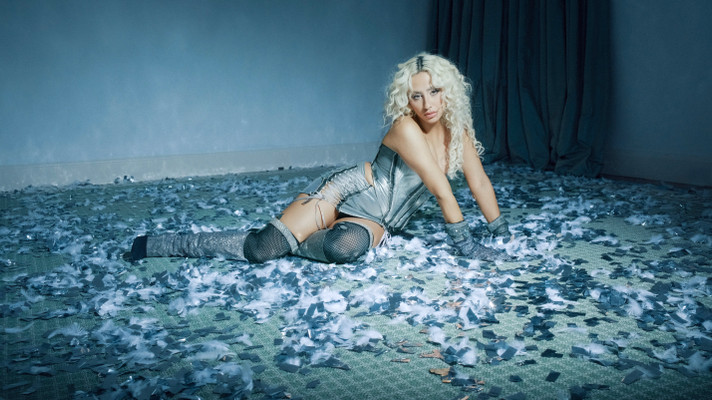
Recession-era pop reflects a young generation’s heightened appetite for escapism, chaos, and euphoric nightlife in times of historic societal uncertainty. In 2008, pop girls like Kesha, Lady Gaga and Rihanna were in their prime. Their music originally thrived in the aftermath of the 2008 financial crisis, maybe precisely because of what they offered: glittering distraction during instability. Today’s dance revival feels similarly apocalyptic. Albums like Brat and the resurgence of artists like Zara Larsson and Addison Rae channel a similar feel to the 2008 era after years of a more subtle shift into laid-back acoustics and singer/songwriters during the late 2010s.
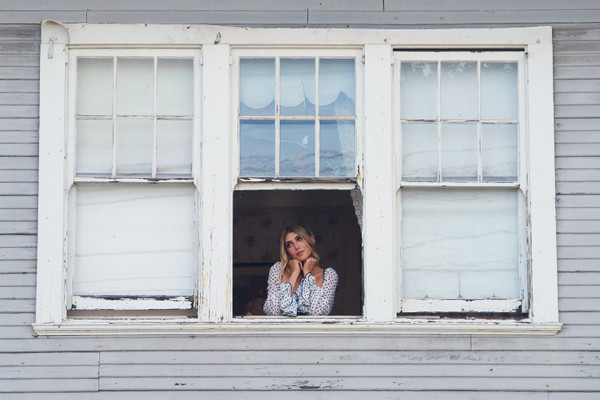
There are usually two sharp changes to culture taking place at once, and there is no exception in the music industry. Next to hedonistic party girls arose an equally powerful return to more traditional tropes within musical storytelling. A blend of stripped-back “sad girl” music and hyper-romantic femininity reflects a part of culture increasingly rewarding female softness, vulnerability, and traditional desirability over the confrontational self-invention that defined earlier pop feminism. Artists like RAYE and Olivia Dean often center yearning, emotional caretaking, and fantasies of marriage as cultural ideals, replacing the aggressively autonomous femininity pioneered not too long ago by artists like Madonna or Lady Gaga. The once-fixed generational split behind the desire to provoke and disrupt traditional roles within society has loosened unrecognizably. The search for financial stability has never made the urge to conform more prominent. It is yet to be determined whether the aforementioned rising pop-girlies will extend their influence beyond creating excellent music to carrying a higher societal message, precisely like that of Madonna and Lady Gaga.
Fashion
Broad societal economic status has always shaped which bodies and aesthetics become socially rewarded. In the 2010s, the trend of body positivity, bright (sometimes even neon) colors dominated the fashion world. The return of extreme thinness is one of the clearest examples of societal financial struggle shaping what we think is chic. After years of brands slowly beginning to publicly embrace all body types, including plus-size models, fashion has rapidly pivoted back towards making extreme restraint sexy: Ozempic-thin celebrities with “Pilates bodies” flaunting exaggerated wellness routines dominate the modern discussion around desirable aesthetics. Thinness, particularly in moments of economic anxiety, functions less as a beauty standard than as a status symbol. It signals discipline, optimization, and the ability to control consumption at a time when excess is made to feel socially embarrassing or financially irresponsible. People now flex ultra-thin bodies as proof of self-management to avoid admitting the elephant in the room: more and more people are that thin because they simply do not have enough to eat.
Fashion also notices a shift towards cultural conservatism today. Modern aesthetics make everyone want to look like an “office siren.” In an unprecedentedly oversaturated job market for young folks, we catch ourselves buying into trends which romanticize professional conformity and corporate legibility. Trends that affirm officewear aesthetics present the corporate look as empowerment, but underneath the styling is a deeper cultural adjustment to precarity. Dressing up to show off our freedom, creativity, or personalities is now out. Instead, many aim to wear their own employability. A “please hire me, I look the part”-mindset has us dressing up like we’re for sale at an auction.
All in all, Gen Z’s bendable definition of a recession indicator is obviously not a scientifically rigorous way of measuring economic decline. It’s true, folks; Lady Gaga returning to her musical roots in her latest album could definitely not predict GDP contraction. Still, the trend doesn’t fall useless. The popularity of the term reveals that people are increasingly using culture itself to track economic or general societal anxiety in real time. Economics has always affected culture – and certainly far before the invention of Instagram. The noticeable change is simply that social media has turned those shifts into a collective form of observation and criticism. For what could possibly be the first time, our reaction to economic instability is being documented as it happens. Trends, memes, and cultural projects are being marked as signs of economic distress before they can be assessed as history. Trends circling the fashion industry and music/entertainment industry are certainly worthy of hyper-vigilant attention and critique, lest we find ourselves succumbing to focusing on the wrong things. Another important question will become important in this era’s aftermath. What will culture look like if we leave this era of permanent instability behind‒assuming, of course, we ever manage to get past it.
WRITTEN BY

Giulia
As the world seems to hurl past me, I find myself compelled to catch up. A way to stay present for me is by appreciating art, from fashion to cinema to music. This means making art accessible and thus engaging readers, as sharing my love for culture is one of my greatest passions in life.