‘Modernizing’ Performance Arts: What Can We Take Away from Timothée Chalamet?

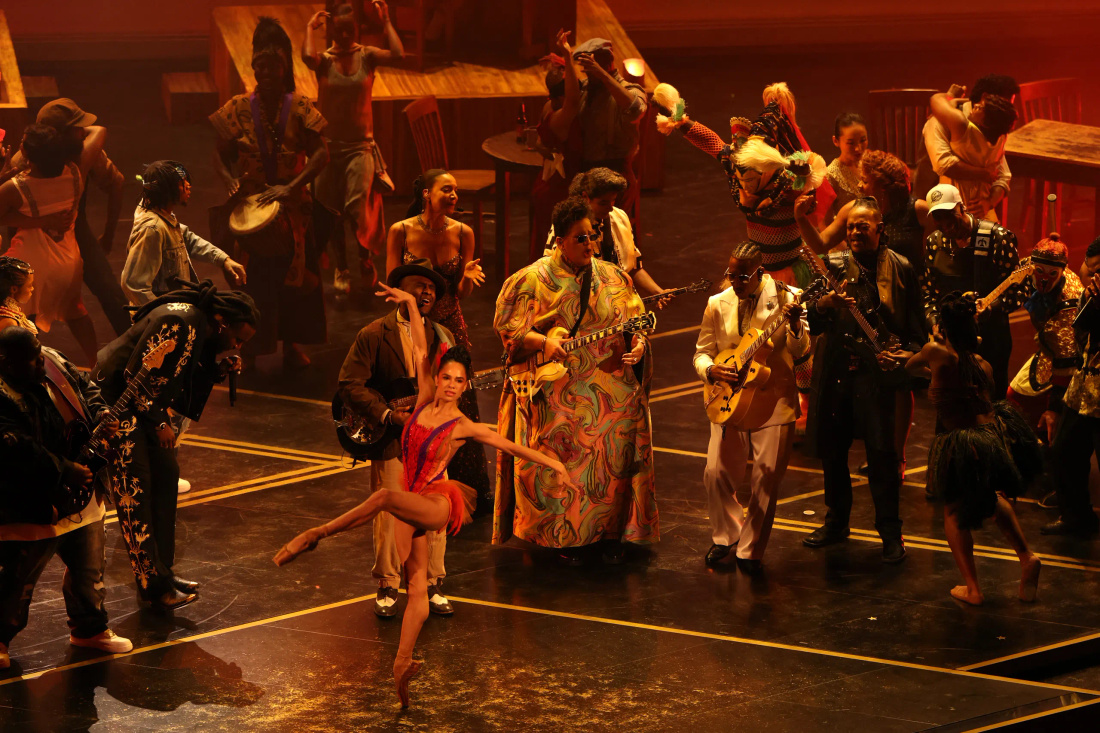
Here’s my non-negotiable: the high arts, in this case opera and ballet, are absolutely art forms that deserve strict protection and routine celebration. These art forms have persevered through countless bloodied wars and eras of crippling poverty because of the irreplaceable significance of physical performance. Even in the era of nonphysical media domination, these fields continue to push boundaries of human communication and connection precisely because a physical audience is their prerogative. As an audience member, your capability to reach the artists in a few paces, to watch them unfiltered with sweat dripping from their brow, is exactly what makes the show so special and imperfectly personal. In these fields, intimacy is currency.
Very few wish to knock film and streaming off the pedestal it currently sits upon. The invention of the camera, as well as sound recording, created entirely new forms of artistry while also presenting a unique opportunity for existing art forms to expand their reach. Now, actors like Timothée Chalamet himself can inspire people across the globe without needing to tour the world city by city. Still, in tight circles compromised by the greed of capitalist gain, the consumer is always king.
Many production companies today rely on consistently satiating audiences with minimal investment. The main goal of a corporate entity is to ensure that the pockets of executives, who are overcome by their urge to earn, stay stuffed. It is not a secret that most of these companies hardly permit the thought of paying upcoming artists with living wages to even linger. It’s hard to compete if you measure success by how nurtured your artists are and how much focus you set on maintaining a strict quality quota.
So, while we all shake our heads at Mr. Chalamet’s messy and frankly disappointing commentary around the arts of opera and ballet, we also must acknowledge that the industry he entered with, albeit earnest intent, has a culture that is hard to look past when its walls suddenly surround you shortly after a whiff of success. He is culturally detached, not because he lacks physical connection to these forms of art (in fact, quite the opposite), but because he fails to see value beyond monetization and the collective perception of the masses. His words, his sarcastic dismissiveness for something he knows will lose him only some "14 cents of viewership", are a symptom of something much larger than a single individual… no matter how gigantic this individual believes himself to be.
The entertainment industry is by far not the first to sin, and in fact holds on to more integrity than most other industries. In a world that becomes increasingly “growth”-centric, we find ourselves progressing to just progress. Besides the popular philosophy of only ever doing something that holds a direct return on investment lies something more troubling. Normal people can barely buy weekly groceries and definitely can’t afford to dress up in their best suits to pay a visit to their local theater. The next generation ends up not thinking about performance arts at all.
Anyone who lives the life of the 99% knows that the majority of society has only an illusion of choice and autonomy. Third spaces are beginning to lose relevance, and ownership becomes something of the past. The average twenty-something-year-old is left without a proper understanding of community. They then begin churning out content instead of making art. Greatness shifts away from the pursuit of an impassioned and crazed love of craft to just an act of conquering the masses and crunching numbers. We risk the art we love being hollowed out, husks easily blown away in the wind.
How did these issues find their way into our theaters? What can we do to at least light the path of change in the world of playhouses? For too long, highbrows of drama have held fellow artists on short leashes, swearing up and down that the only viable curative counter-culture is to preserve the painfully classist exclusiveness of high art. It’s time to recognize that this insistence achieved the polar opposite outcome.
If art is intended to connect with audiences and inspire, we have to prioritize looking everyone straight in the eye. This does not mean laxing expectations of skill and rigor from new artists, but it does mean focusing on potential and message over class-signaling. Everyone should find something to connect with, no matter what walk of life they come from. It is all too common to find operas, plays, or ballets written some centuries ago remade time and time again. While remembering the timelessness of classics remains a worthy priority, providing art that reflects the problems and thoughts of the modern individual is equally valuable. This can only be conducted if we encourage every artist to toy with or, at best, totally break every boundary of theater.
Messing with what was once set very importantly refers to the “art” itself, but also importantly, everything outside of it. How do we expand audiences? How do we make them feel seen? Firstly, we expand who ends up on and behind the stage. That means investing in the people behind every story and bringing popular shows to rural or working-class areas. Often overlooked or entirely disregarded, these theaters lack resources, and their community therefore suffers by limiting the chance to come into contact with higher art forms instead of only the forms of media that are impossible to ignore. Many artists at the top end up neglecting and thereby denying a large percentage of people access, all while harping on about how vital their chosen art field is as a part of mandatory education.
With a strengthened relationship to communities, typically beyond the bandwidth of classical theater. We can write and produce operas or ballets that maintain the natural respect for their traditional structure or rules while still shifting them to be more relevant and digestible to another world of people. If done properly, we can keep the concept of a third space alive for the next generation. They will thank us by not only showing up to buy tickets, but they will also inevitably then provide us with a number of ambitious and bold artists whose stories will be worth telling.
Humans are more than just customers and profit margins – this is what art teaches us again and again. In order to keep teaching this lesson, we need to remember that the arts are elastic living forces that need to mold in favor of the beholder. If we do not, we mistakenly risk rendering performing arts a relic of the past, something useless in a world that needs to relearn how to stop and smell the roses. “Keeping this thing alive” is not answered by assessing how much it deserves to stick around. The sensational outrage following Timothée Chalamet’s comments proves that we are willing to speak up. It is now necessary to ask how willing we are to evolve the arts so they can match the pace of today’s heartbeat.
WRITTEN BY

Giulia
As the world seems to hurl past me, I find myself compelled to catch up. A way to stay present for me is by appreciating art, from fashion to cinema to music. This means making art accessible and thus engaging readers, as sharing my love for culture is one of my greatest passions in life.