The Return Of Harry Styles: Why The World Still Stops For Him
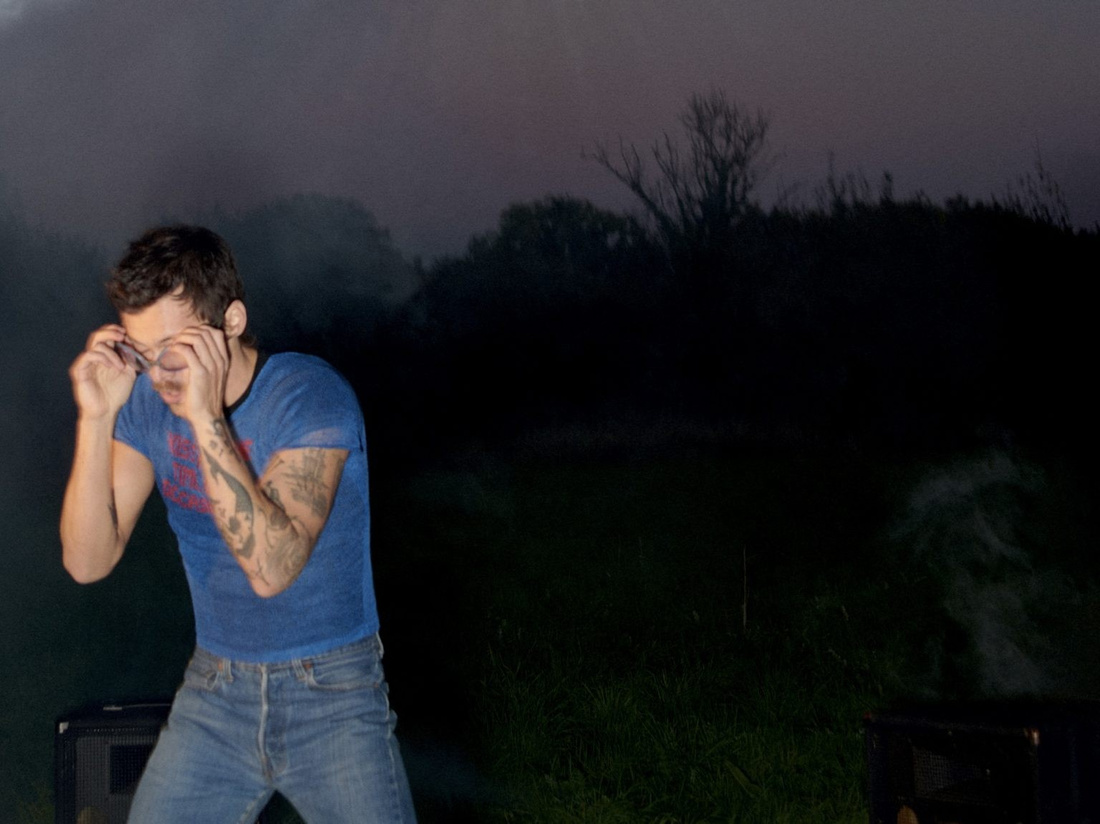
In an era where pop stars often fade in and out of the conversation with rapid content cycles and viral singles, very few returns feel this significant. With his fourth studio album, Kiss All the Time. Disco, Occasionally. Dropping on March 6th, and a high-profile one-night-only performance and Netflix special on the horizon, Harry Styles’ return feels like more than just a simple new era in his discography. It feels like a cultural reset.
Styles has never been a background figure in pop culture. Even at his quietest, his absence has been notable. When Harry’s House arrived in 2022, it wasn’t just a successful album cycle. Songs like “As It Was” dominated radio and streaming, and it still gets airtime to this day. But the real impact lived elsewhere, in fashion mood boards, in TikTok edits, and in the revival of introspective pop at the top of the chats. Styles created an atmosphere around the music. Fans didn’t just simply consume the songs and media; they lived inside the aesthetic of them.
The extended silence transformed his return into a shared cultural event rather than just another release date on a calendar. The phenomenon of his return echoes the excitement that surrounded his earlier solo work but now carries a different weight, as Styles has matured into a figure whose influence on the masses extends far beyond music.
Ever since his departure from One Direction’s global phenomenon in 2016, Styles has proved himself as something rare. Where many artists struggle to redefine their identity after the boyband spotlight fades, Styles managed to construct an identity that felt both intentional and expansive. His solo debut, Harry Styles, introduced a rock-influenced sound that surprised many listeners who expected straightforward pop. The towering ballad Sign of the Times immediately set the tone for an artist who is willing to lean into vulnerability and musical ambition rather than chasing chart formulas.
With the project, Styles continued to widen the scope of what his music could be. Fine Line pushed further into genre-blurring territory, balancing introspective songwriting with more playful sounds. Songs such as Watermelon Sugar and Adore You demonstrated a knack for crafting global pop moments while still maintaining a sense of personality.
Now, with Kiss All the Time. Disco, Occasionally. The expectation is not simply for another collection of songs but for the beginning of a new cultural chapter.
Part of the reason this era feels so significant is how Styles is approaching it. For the first time in his lengthy career, his album launch is tied to a live performance filmed before an audience, which will be distributed globally on Netflix. Harry Styles. One Night in Manchester, which premieres on March 8th, captures the album performed live in his hometown. Rather than limiting the release to traditional promotion, he is turning it into a communal event.
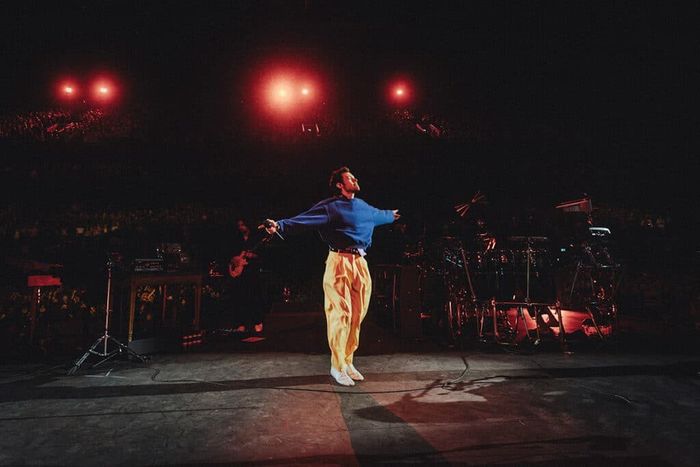
This approach taps into something audiences crave, in a fragmented digital culture dominated by personal feeds, shared experiences have become rare. Premiers, live broadcasts and communal viewing moments create a sense of participation that many listeners feel is missing from modern music consumption. Even fans who are thousands of miles away will tap into the same performance at the same time as thousands of others.
Styles’ cultural footprint has never been limited to music alone; his fashion choices have always been central to the way he communicates identity and artistry. His style choices frequently challenge the expectations of masculinity in the music industry, from tailored suits to brightly coloured jumpsuits. What makes these choices resonant is not just their visual boldness but their visibility. Styles remains one of the most recognisable male pop stars in the world by embracing his own aesthetics in such a mainstream position; he helps in normalising uncomfortable conversations about identity and self-expression.
Another key aspect of his impact lies in how carefully he manages his presence in public media, in a day and age where celebrities are often expected to consistently post, Styles’ social media presence remains surprisingly restrained. Updates are limited and deliberate, often tied to specific artistic moments in his career. This approach he carries out creates a sense of anticipation that many artists struggle to carry out.
Rather than overwhelming his audience with information, Styles allows mystery to play a role in his cultural narrative. Fans interpret visuals, speculate about lyrics and dissect performances with a level of engagement that turns any era into a storytelling process.
There is also something significant about the timing of this return. March has become what many music enthusiasts describe as the “spring reset” for the industry. After the early months of the year, artists begin reintroducing themselves, tours start to take shape, and conversations around music shift into a new cycle. Releases during this period feel like the starting point for the year in music, by arriving in March, his latest album lands at the right moment when audiences are ready for something new to define the warmer months ahead.
Another defining feature of a Harry Styles release is the way fans mobilise around it, long before the music even arrives, online spaces begin to buzz with countdowns and inside jokes that spread rapidly across platforms. In the hours leading up to the release of Kiss All the Time. Disco, Occasionally., timelines filled with one simple phrase that has been repeated constantly, “HS4 at midnight”. It became an online rallying point, a simple message that signalled community and anticipation all at once.
When midnight finally arrived, the response was impossible to miss. Within minutes, social media feeds transformed into a wave of reactions. Scrolling through Instagram that day felt almost surreal; every few scrolls revealed another fan sharing the album cover or another clip from the release. People who might not actively follow Styles suddenly became aware that something significant had happened.
That visibility is part of what makes his release feel like a genuine cultural reset. In a music landscape where countless songs drop every Friday with very little fanfare, a Harry Styles album tends to dominate the conversation instantly. The discussion of favourite tracks and favourite lyrics spreads quickly and far beyond dedicated fan spaces.
What stands out most is how quickly the ripple effect travels. Within an hour or two of the album’s release, it becomes almost impossible to avoid the news. Timelines fill with reactions, group charts light up, and strangers talk about the album, which leads to making new friends. Even those who do not consider themselves fans in the slightest often find themselves pulled into the moment simply because of how widely the excitement spreads.
This collective excitement and energy highlight something unique about the relationship between Styles and his audience. His music could never just arrive quickly onto streaming platforms; it triggers participation. Fans listen together and build a shared narrative around the music as it unfolds.
The arrival of Kiss All the Time. Disco, Occasionally. Feels more than just a simple listening experience with friends and more like a global connection. For a whole day, stories, timelines and conversations all revolve around the same thing. That kind of shared focus is rare to see in a fragmented digital world. Styles’ return demonstrates that music still has the power to unite audiences in real time, turning an album drop into something that feels like a worldwide gathering.
Ultimately, the return of Harry Styles in 2026 is not simply about a new album. It represents the continued evolution of a pop star who has managed to remain both accessible and unpredictable. At a time when music releases often pass by unnoticed in an endless stream of content, the arrival of Kiss All the Time. Disco, Occasionally. Shows that a carefully crafted era can still make the internet stop dead in its tracks.
For fans, the album is more than just a collection of songs. It is a moment to gather with friends and experience music collectively in real time. It proves that a single artist can still command global attention in an era of fragmented listening habits.
Whether it's through music, performance, or the communities that form around his work, Styles has created something that reaches far beyond charts. His return reminds audiences that music culture is not only about consumption but about connection. Moments like this prove that a single artist can still bring millions of people together at the exact same time.
WRITTEN BY
Will
I've always loved writing, but music and pop culture gave me something to write about. I've been fascinated by the cultrual impact of music for years and I love bringing those topics to light.